


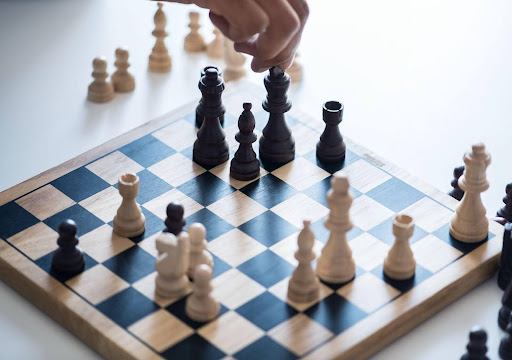
Learning chess is more than just memorizing moves, it’s about developing patience, strategy, and focus. For those just starting out, the world of chess can seem complex, with its unique rules, tactical plays, and endless possibilities. However, with the right guidance and consistent practice, anyone can build a strong foundation and truly enjoy the game.
If you’ve recently begun exploring the fascinating world of chess, these top ten lessons and tips will help you understand the essentials, sharpen your thinking, and build confidence from your very first match.
1. Understand the Board and the Pieces
Before diving into tactics, start by familiarizing yourself with the board itself. A chessboard has 64 alternating light and dark squares arranged in an 8×8 grid. Each piece; pawns, knights, bishops, rooks, queens, and the king moves in specific ways, and learning their movement patterns is the foundation of every successful game.
Remember, the pawn moves forward but captures diagonally; the knight moves in an “L” shape; the bishop travels diagonally; the rook moves in straight lines; the queen combines the powers of the rook and bishop, and the king can move one square in any direction.
Take time to practice moving each piece individually, it’s the first step toward mastery.
2. Learn the Rules Thoroughly
It’s tempting to jump straight into playing, but understanding the rules completely makes all the difference. Learn concepts like castling, en passant, and pawn promotion. These might seem minor, but they can completely change the course of a game.
Additionally, familiarize yourself with the concept of check, checkmate, and stalemate. Knowing when a game ends and why will help you plan your strategy better.
A solid grasp of the rules gives you confidence and prevents costly mistakes during matches.
3. Control the Center of the Board
One of the most important early lessons in chess is center control. The four squares in the middle of the board d4, e4, d5, and e5: are the most influential. Controlling these allows your pieces more freedom and better attacking positions.
When you’re playing your first few moves, try to occupy or influence these squares with your pawns and minor pieces (knights and bishops). This principle will help you dominate the board and limit your opponent’s options.
4. Develop Your Pieces Early
A common mistake many beginners make is moving the same piece repeatedly during the opening. Instead, focus on developing all your pieces efficiently. Get your knights and bishops out early, and avoid moving too many pawns without reason.
An effective opening aims to bring your pieces into active positions while keeping your king safe. The goal is to control key areas of the board while preparing for a smooth transition into the middle game.
If you’re taking beginner chess lessons, you’ll quickly notice how structured piece development leads to stronger openings and fewer mistakes.
5. Protect Your King
No matter how well you attack, it’s all for nothing if your king isn’t safe. Early castling is often the best way to protect your king and connect your rooks for future coordination.
Try to castle within the first 10 moves, preferably on the side that gives you the most stability. This small step can turn a vulnerable setup into a strong defensive structure that supports both attack and defense.
Never forget defense is just as important as offense in chess.
6. Don’t Rush-Think Ahead
In chess, every move counts. Beginners often make the mistake of playing too fast without considering their opponent’s response. Before making a move, ask yourself: What is my opponent trying to do? and what will happen after my move?
Visualizing two to three moves ahead is an essential habit to develop. It trains your mind to anticipate outcomes rather than reacting impulsively. With regular chess lessons for beginners, you’ll naturally improve your ability to think ahead and strategize effectively.
7. Understand Piece Value
Not all pieces are equal in strength or strategic importance. Understanding their relative values helps you decide when to trade or avoid exchanges.
Here’s a basic guide:
- Pawn = 1 point
- Knight = 3 points
- Bishop = 3 points
- Rook = 5 points
- Queen = 9 points
- King = infinite (losing it means losing the game!)
These values are not absolute but serve as a helpful reference during play. Trading pieces when it benefits your position rather than just for the sake of it is a skill that grows with experience.
8. Pay Attention to Tactics
Tactics are short-term sequences that can dramatically change the game’s outcome. Learning tactical patterns like forks, pins, skewers, and discovered attacks will help you spot opportunities that beginners often miss.
These tactics can turn a seemingly balanced position into a decisive advantage. Practice spotting them through puzzles and online drills; it’s one of the fastest ways to improve.
Chess isn’t only about long-term planning; sometimes, a single tactical strike can decide everything.
9. Practice, Analyze, and Learn
Playing regularly is the best way to grow, but what truly makes a difference is analyzing your games afterward. After each match, take a few minutes to go through your moves and see where you could have improved.
Did you miss a tactic? Did you lose control of the center? Reviewing these aspects helps you avoid repeating mistakes.
You can also watch tutorials or take guided practice sessions through structured beginner chess lessons, which focus on identifying common errors and building consistent strategies.
10. Be Patient and Enjoy the Process
Chess is as much about mindset as it is about moves. No one becomes an expert overnight. Every grandmaster started where you are now: learning, practicing, and making mistakes.
Don’t get discouraged by losses; instead, use them as lessons. Over time, you’ll start seeing patterns, anticipating strategies, and making decisions more intuitively.
Most importantly, enjoy every moment of your journey. Chess teaches patience, resilience, and creativity, skills that benefit you far beyond the board.
Conclusion
Learning chess is an incredible journey that strengthens your mind, sharpens focus, and cultivates patience. By following these ten tips and consistently applying them, you’ll quickly move from confusion to confidence on the board.
Whether you’re learning solo or under expert guidance, remember that every move you make is part of your growth as a player.
For those eager to take their first step with professional support, ChessBrainz offers a perfect starting point. Their expert coaches specialize in structured chess training, personalized programs for all age groups, and interactive sessions designed for both kids and adults. With a focus on skill development and passion for the game, ChessBrainz helps learners evolve into confident, strategic thinkers. Begin your journey with ChessBrainz and let your moves speak for your growth.