


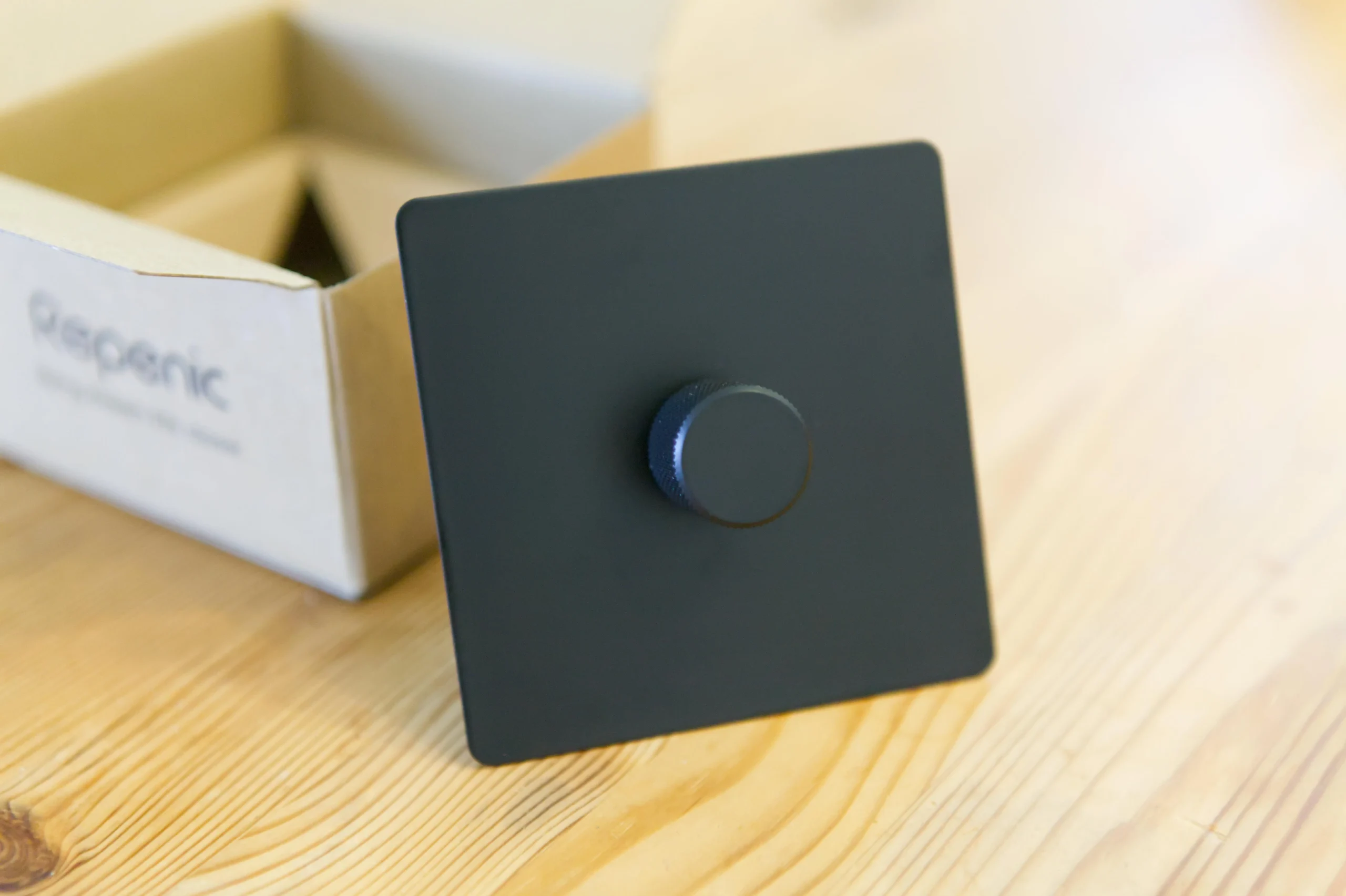
Smart homes are no longer just about convenience. Today, homeowners want technology that blends naturally with their interior design while offering reliable performance and advanced control. From elegant wall switches to integrated automation systems, the focus has shifted toward solutions that improve both functionality and aesthetics.
For those seeking premium smart home solutions, Repenic offers a unique approach that combines luxury finishes, intelligent automation, and sophisticated control systems designed for modern residential environments.
The Growing Demand for Smart Home Hardware
Over the last decade, smart home technology has evolved from a niche market into a major part of residential construction and renovation projects. Homeowners are increasingly looking for products that do more than perform a task. They want devices that complement their lifestyle, enhance comfort, and add value to their properties.
Modern smart homes often include:
- Intelligent lighting control
- Automated climate management
- Smart security systems
- Motorized curtains and blinds
- Centralized control panels
- Energy monitoring solutions
- Voice-assisted automation
The challenge is finding hardware that integrates all these capabilities without compromising design quality. This is where premium smart home hardware stands out.
What Makes Premium Smart Home Hardware Different?
Not all smart home products are created equally. While many devices focus solely on functionality, premium solutions prioritize both performance and visual appeal.
Luxury Finishes
One distinguishing feature of high-end smart home hardware is the attention to materials and finishes. Instead of standard plastic designs, premium products often feature:
- Brushed metal surfaces
- Glass touch panels
- Custom color options
- Architectural-grade materials
- Minimalist aesthetics
These finishes allow devices to blend seamlessly into luxury interiors rather than appearing as technology add-ons.
Advanced Automation Capabilities
Modern homeowners expect more than simple on-off controls.
Advanced automation systems can:
- Adjust lighting based on time of day
- Manage room temperatures automatically
- Coordinate multiple devices simultaneously
- Create customized scenes for different activities
- Improve energy efficiency through intelligent scheduling
The result is a home environment that responds naturally to daily routines.
Seamless Integration
A fragmented smart home experience can quickly become frustrating. Premium systems focus on creating a unified ecosystem where multiple devices communicate effectively.
Benefits of integrated smart home systems include:
- Simplified management
- Consistent user experience
- Reduced system conflicts
- Enhanced reliability
- Easier future upgrades
Smart Home Control Systems Explained
A smart home control system acts as the central command center for connected devices.
Rather than managing individual devices through separate applications, homeowners can control everything through a single interface.
Common Control Methods
Wall-Mounted Control Panels
Elegant touch panels provide quick access to lighting, climate, entertainment, and security settings.
Mobile Applications
Smartphone control allows users to manage their homes from virtually anywhere.
Voice Control
Voice assistants enable hands-free operation for everyday tasks.
Automated Scheduling
Users can create routines that trigger actions automatically throughout the day.
For example, a morning routine might:
- Raise window blinds
- Adjust thermostat settings
- Turn on selected lights
- Activate music in specific rooms
These automated experiences help simplify daily living.
Why Design Matters in Smart Homes
Technology should enhance a living space rather than dominate it.
One common mistake in smart home design is prioritizing technical features while overlooking aesthetics. Homeowners investing in premium interiors often want every element of their space to reflect a cohesive design vision.
Smart switches, control panels, and automation interfaces are highly visible components. Choosing products with refined finishes and architectural styling can significantly improve the overall appearance of a room.
Real-World Example
Imagine a luxury living room featuring:
- Natural stone accents
- Designer lighting fixtures
- Custom cabinetry
- High-end furniture
Installing standard plastic switches would immediately feel out of place.
Premium smart home hardware helps maintain visual consistency while delivering advanced functionality.
The Role of Automation in Everyday Life
Many people associate automation with futuristic concepts, but its real value lies in simplifying ordinary tasks.
Morning Convenience
Automated routines can prepare the home before residents wake up.
Examples include:
- Gradual lighting adjustments
- Comfortable temperature settings
- Automated curtain operation
Energy Efficiency
Smart systems help reduce unnecessary energy consumption.
Features may include:
- Occupancy detection
- Automated lighting schedules
- Climate optimization
- Real-time energy monitoring
Enhanced Security
Integrated security solutions can provide:
- Remote surveillance access
- Smart door controls
- Motion detection alerts
- Automated lighting responses
Together, these features contribute to greater peace of mind.
Key Features to Look for in Smart Home Hardware
When evaluating smart home products, homeowners should focus on several important factors.
Build Quality
Durable materials typically offer better longevity and a more premium appearance.
Scalability
A smart home system should accommodate future expansion without requiring complete replacement.
User Experience
Controls should be intuitive and easy to operate for every family member.
Integration Compatibility
Look for solutions that work with a wide range of devices and automation platforms.
Professional Design
Hardware should complement the home’s architecture and interior design.
How Smart Homes Add Property Value
Smart home technology is becoming an increasingly attractive feature for prospective buyers.
Properties equipped with advanced automation systems often benefit from:
- Improved market appeal
- Higher perceived value
- Enhanced energy efficiency
- Greater convenience
- Modern lifestyle functionality
As smart technology becomes more mainstream, professionally integrated systems are expected to play an even larger role in residential real estate.
Future Trends in Smart Home Technology
The smart home industry continues to evolve rapidly.
Emerging trends include:
AI-Driven Automation
Systems are becoming more capable of learning user preferences and adjusting automatically.
Personalized Experiences
Homes will increasingly adapt to individual occupants rather than relying solely on manual programming.
Sustainable Living
Energy-conscious automation will continue gaining importance as homeowners seek greener living solutions.
Unified Ecosystems
Manufacturers are focusing on reducing complexity by creating more interconnected and compatible systems.
These advancements will make smart homes more intuitive, efficient, and user-friendly.
Final Thoughts
Smart home technology has matured significantly, moving beyond simple convenience features into fully integrated living experiences. Homeowners now expect intelligent systems that not only perform well but also complement sophisticated interior design.
Premium smart home hardware combines luxury finishes, advanced automation, and seamless control to create environments that feel both modern and comfortable. Whether building a new residence or upgrading an existing property, investing in high-quality automation infrastructure can improve daily living, increase efficiency, and support long-term property value.
As technology continues to advance, the most successful smart homes will be those that balance innovation, reliability, and elegant design—creating spaces where technology works quietly in the background while enhancing every aspect of life.