


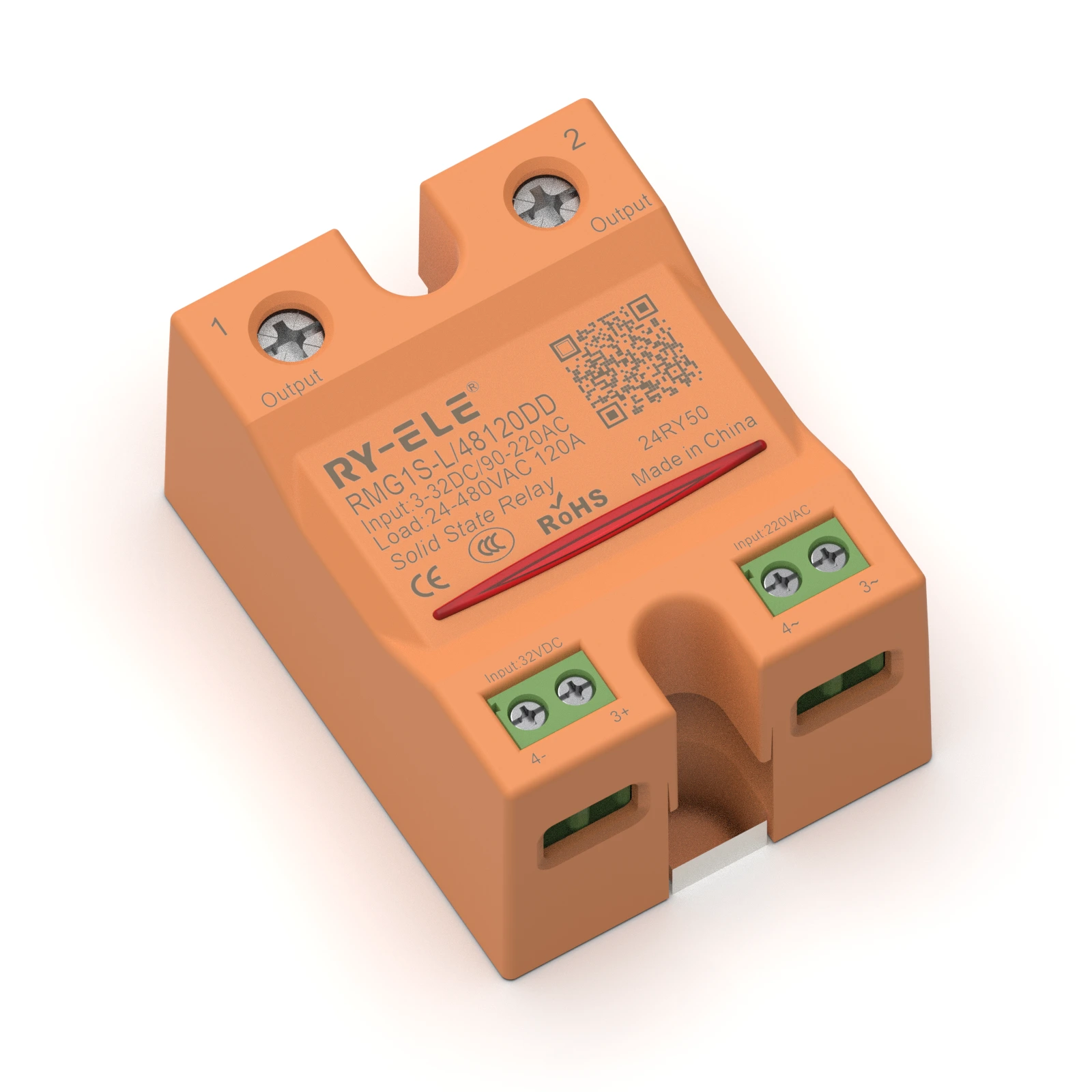
Choosing the right supplier for solid state relays can influence product quality, system reliability, and long-term procurement efficiency. A supplier should offer more than a suitable component; they should also understand application requirements and provide dependable technical and commercial support.
Before partnering with a Solid State Relay Supplier, it is useful to ask targeted questions about product specifications, quality control, customization, documentation, and supply capabilities. A thorough evaluation can help businesses avoid compatibility issues and establish a stronger purchasing relationship.
Does the Supplier Understand Your Application?
A reliable supplier should be willing to learn how the relay will be used. Application details such as load type, switching frequency, control voltage, operating environment, and installation method can affect product selection.
Instead of simply asking for a specific model, explain the intended operating conditions. The supplier should then be able to recommend products based on documented technical requirements.
What Product Specifications Are Available?
Ask for complete specifications rather than relying on a basic voltage or current rating. Important information may include:
- Input control voltage and current
- Output voltage and load-current ratings
- Switching method
- Leakage current
- Voltage drop
- Isolation characteristics
- Operating temperature range
- Switching frequency
Having this information makes it easier to compare models and determine whether a relay is appropriate for the intended system.
How Is Product Quality Controlled?
Quality control is especially important when relays will be installed in industrial equipment or manufactured products.
Ask how incoming materials, assembly processes, electrical performance, and finished products are inspected. It can also be useful to ask whether production testing is performed consistently across batches.
A supplier with a clearly defined quality process can provide greater confidence in long-term product consistency.
Can the Supplier Provide Technical Documentation?
Good documentation makes product evaluation and system integration easier. Request datasheets, wiring information, dimensional drawings, installation instructions, and relevant testing or certification information.
Technical documents should clearly identify the exact model and its operating limits. This helps engineers avoid making assumptions based on similar products.
Are Custom Specifications Supported?
Some applications require characteristics that are not available in a standard relay. Depending on the supplier’s capabilities, customization may involve input specifications, terminal arrangements, dimensions, labeling, or other product features.
Ask whether custom requirements can be supported and, if so, what minimum order quantities, development procedures, and lead times apply.
What Are the Production and Delivery Capabilities?
Supply reliability matters just as much as technical suitability. Ask about standard production lead times, available capacity, order quantities, and procedures for handling larger or recurring orders.
If the relay will be used in ongoing manufacturing, discuss expected purchasing volumes in advance. This allows both sides to establish realistic supply expectations.
How Does the Supplier Handle Quality Issues?
Even with strong manufacturing controls, product issues can occasionally occur. Before establishing a partnership, ask how complaints, defective units, returns, and technical investigations are handled.
A clearly defined response process can make it easier to resolve problems without unnecessary disruption to production.
What Support Is Available After Purchase?
Technical support can become valuable when integrating relays into new equipment or troubleshooting an existing control system.
Ask whether the supplier can assist with product selection, wiring questions, installation considerations, and technical documentation. Responsive communication can be an important indicator of the supplier’s commitment to long-term customer relationships.
Can Samples Be Provided?
For new applications, requesting samples can be a practical way to evaluate a relay before placing a larger order.
Samples allow engineers to verify dimensions, terminal connections, control behavior, thermal performance, and compatibility with the intended equipment. Ask about sample availability, testing arrangements, and sample lead times.
Are Product Certifications Available?
Depending on the industry and installation location, specific certifications or compliance requirements may apply.
Ask which certifications are available for the exact model under consideration. Documentation should identify the applicable standards and product versions rather than providing only general statements about the supplier.
How Stable Is the Product Range?
A supplier should be able to explain how they manage product revisions and discontinuations. Unexpected changes to a relay model can create redesign and qualification work for equipment manufacturers.
Ask whether advance notice is provided for major product changes and whether replacement or successor models are available when a product reaches the end of its lifecycle.
What Makes the Supplier Different?
Price is important, but it should not be the only factor in a supplier evaluation. Compare technical capability, quality consistency, communication, documentation, customization options, delivery performance, and after-sales support.
For example, RY-ELE can be considered alongside other suppliers when comparing available solid state relay solutions and determining which offering best matches a project’s requirements.
Questions Worth Asking During Supplier Evaluation
A structured supplier discussion can cover the most important areas quickly:
- Which relay models match the electrical requirements?
- What testing and quality-control procedures are used?
- Can complete technical documentation be provided?
- Are samples available for evaluation?
- Can the products be customized?
- What are typical production and delivery lead times?
- What support is available after purchase?
- How are product changes and quality issues communicated?
- What certifications apply to the selected models?
- Can the supplier support future volume requirements?
Building a Long-Term Supplier Relationship
The best supplier relationship is based on clear technical communication and consistent performance. Both sides should understand product requirements, quality expectations, delivery schedules, and support procedures before regular purchasing begins.
For businesses using solid state relays across multiple products or production lines, a dependable supplier can also contribute to better standardization and easier procurement management.
Conclusion
Partnering with a solid state relay supplier should involve more than comparing product prices. Businesses should evaluate technical knowledge, product quality, documentation, customization capabilities, supply capacity, certifications, and after-sales support.
Asking the right questions before placing an order helps identify suppliers that can meet both immediate requirements and future production needs. A careful evaluation process ultimately supports more reliable component sourcing and more predictable industrial system performance.