


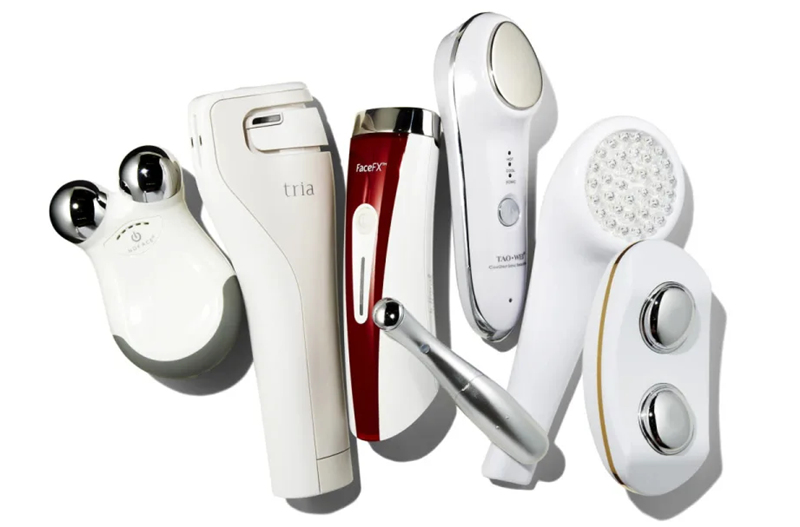
The personal grooming industry has undergone a major transformation in recent years, driven by changing lifestyles, technological innovation, and evolving consumer expectations. Today’s users are no longer satisfied with basic functionality alone—they expect products that are efficient, visually appealing, comfortable, and aligned with modern design standards.
Within this shift, the personal care device has become a product category where design plays a central role in consumer decision-making. A well-designed personal care device is now expected to combine performance with aesthetics and usability, reflecting broader lifestyle trends in home grooming and wellness.
The Growing Importance of Design in Personal Care
Design has become just as important as functionality in personal care products. Consumers often evaluate devices not only on performance but also on how they look, feel, and integrate into their daily routines.
Key reasons design matters more today include:
- Increased focus on lifestyle-oriented products
- Social media influence on product appearance
- Demand for ergonomic and user-friendly tools
- Preference for compact and modern aesthetics
As a result, manufacturers are prioritizing design innovation alongside technical performance.
Minimalist Design and Modern Aesthetics
One of the most noticeable trends in personal care devices is minimalism. Clean lines, simple structures, and neutral colors are increasingly preferred by consumers.
Popular minimalist design features include:
- Matte finishes in neutral tones
- Compact and streamlined shapes
- Reduced visual clutter on control panels
- Sleek, modern silhouettes
This design approach appeals to users who prefer elegant and understated products that fit seamlessly into modern bathrooms and grooming spaces.
Ergonomics and User Comfort
While appearance is important, comfort remains a top priority in product design. Ergonomic improvements ensure that devices are easy to hold, control, and use for extended periods.
Key ergonomic considerations include:
- Non-slip grip surfaces
- Balanced weight distribution
- Easy-access control buttons
- Hand-friendly curvature and shape
These features enhance usability and reduce fatigue during grooming sessions.
Compact and Space-Saving Designs
With urban living spaces becoming smaller, consumers increasingly prefer compact personal care devices that are easy to store and carry.
Compact design benefits include:
- Easy storage in small drawers or kits
- Lightweight and travel-friendly structure
- Reduced clutter in personal grooming spaces
- Greater portability for frequent travelers
This trend reflects the growing demand for practical and space-efficient lifestyle products.
Smart Features and Digital Integration
Modern personal care devices are also incorporating smart technology to improve user experience. These features are often combined with sleek design elements to create more advanced products.
Common smart design integrations include:
- LED indicators for battery and settings
- Digital control interfaces
- Adjustable performance modes
- Memory settings for personalized use
These enhancements make devices more intuitive and user-friendly.
Consumer Preference for Multi-Functionality
Today’s consumers prefer devices that offer multiple functions in a single unit. This reduces the need for several separate grooming tools and improves convenience.
Multi-functional design trends include:
- Interchangeable grooming heads
- Adjustable trimming settings
- Combined shaving and styling tools
- All-in-one grooming kits
This approach reflects a shift toward efficiency-driven product design.
Color Trends and Material Choices
Aesthetic preferences are also influencing material and color choices in personal care devices. Manufacturers are focusing on creating visually appealing products that align with modern home decor.
Popular material and color trends include:
- Soft-touch coatings for better grip
- Metallic accents for premium feel
- Neutral shades like white, black, and gray
- Durable, scratch-resistant materials
These design choices help elevate the perceived value of the product.
Portability and Travel-Friendly Design
As mobility becomes a key lifestyle factor, portable grooming devices are gaining popularity. Consumers want devices that can be easily carried without sacrificing performance.
Portable design features include:
- Cordless operation for flexibility
- Compact charging solutions
- Protective travel cases
- Foldable or detachable components
These features make personal care devices suitable for both home and travel use.
Safety-Driven Design Improvements
Safety is another important aspect of modern product design. Devices are now built with features that reduce the risk of injury while maintaining performance efficiency.
Safety-focused design elements include:
- Rounded edges and skin protection systems
- Automatic shut-off mechanisms
- Heat-resistant materials
- Low-vibration operation systems
These improvements make devices safer and more comfortable for everyday use.
Influence of Consumer Feedback on Design Evolution
Consumer feedback plays a significant role in shaping product design trends. Manufacturers analyze user reviews and preferences to refine and improve their devices.
Feedback-driven improvements include:
- Better grip and handling designs
- Longer battery life enhancements
- Reduced noise levels
- More intuitive control systems
This continuous improvement cycle ensures that products evolve with user expectations.
Final Thoughts
Design trends in personal care devices are evolving rapidly, driven by consumer demand for products that combine functionality, comfort, and aesthetics. Modern users expect grooming tools that are not only efficient but also visually appealing and easy to use.
As preferences continue to shift toward minimalist, ergonomic, and smart-enabled designs, manufacturers will keep innovating to meet these expectations. Ultimately, the success of any personal care device depends on how well it balances performance with user-centered design.