


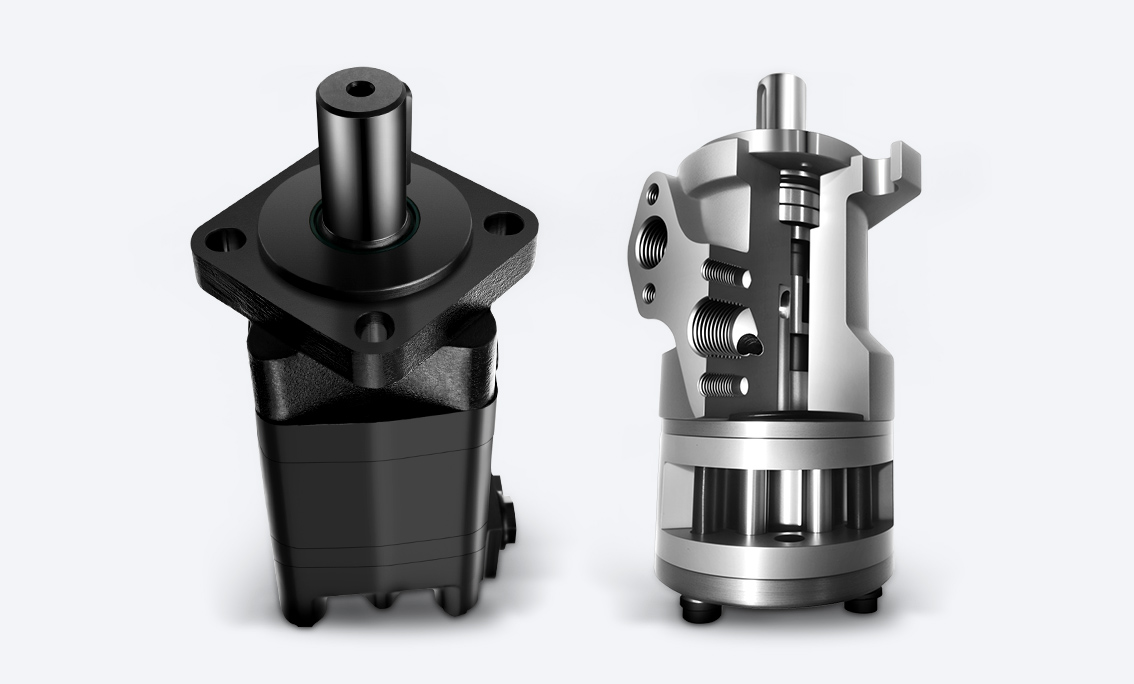
For businesses that depend on hydraulic equipment, a reliable supply of components is essential. Delays in receiving cylinders, valves, pumps, fittings, or other parts can interrupt production, postpone equipment delivery, and increase maintenance downtime.
When evaluating a hydraulic components manufacturer, buyers should consider more than product specifications and pricing. Lead times, production capacity, inventory practices, quality consistency, and communication all influence whether a supplier can support ongoing hydraulic component requirements.
Understanding Hydraulic Component Lead Times
Lead time is the period between placing an order and receiving the finished products. It can vary considerably depending on product type, quantity, customization, materials, and current production schedules.
Standard components may have shorter lead times when they are regularly produced or kept in inventory. Customized products generally require additional engineering, machining, testing, or assembly, which can extend the production schedule.
Understanding the expected lead time before placing an order helps businesses plan inventory and avoid unnecessary interruptions.
Factors That Affect Lead Times
Several factors can influence how quickly hydraulic components can be manufactured and delivered.
Important considerations include:
- Product complexity
- Order quantity
- Material availability
- Customization requirements
- Production workload
- Testing requirements
- Packaging and shipping arrangements
Material shortages or unexpected increases in demand can also affect delivery schedules. A manufacturer that communicates these risks early can help customers adjust their purchasing plans.
Evaluating Production Capacity
Production capacity refers to a manufacturer’s ability to produce a certain volume of components within a given period. Capacity is important for businesses that require regular or high-volume orders.
A supplier may have strong technical capabilities but still struggle to meet large orders if production resources are limited.
When assessing capacity, buyers can consider available machinery, production lines, workforce, working hours, and typical monthly or annual output for relevant product categories.
Capacity for Small and Large Orders
Different businesses have different purchasing patterns. Some require small quantities for maintenance, while others need large volumes for equipment manufacturing.
A flexible manufacturer should be able to manage the production requirements associated with different order sizes. Small-batch capability can be valuable for prototypes and specialized equipment, while scalable production is important for long-term OEM supply.
The key is to determine whether the manufacturer’s capacity matches the expected purchasing volume.
Importance of Production Consistency
Capacity alone does not guarantee supply reliability. A manufacturer must be able to maintain consistent quality as production volumes increase.
Rapidly increasing output without appropriate process controls can lead to dimensional variation, production defects, or inconsistent product performance.
Quality management, standardized production procedures, equipment maintenance, and appropriate inspections can help maintain consistency across different production runs.
Raw Material Availability
The availability of raw materials can have a direct impact on production schedules. Hydraulic components may require specific steel grades, alloys, seals, coatings, or other specialized materials.
Manufacturers with organized sourcing and inventory practices can be better positioned to manage material requirements.
For customized components, buyers should discuss material availability early in the process, especially when the selected materials have longer procurement times.
Inventory and Stock Management
Inventory can provide an important buffer for standard hydraulic components. Products that are frequently ordered may be kept in finished-goods inventory or produced according to established schedules.
However, maintaining excessive inventory can also increase storage costs and create risks when product specifications change.
The most appropriate inventory strategy depends on demand patterns, product shelf life, order frequency, and the consequences of stockouts.
Managing Custom Component Lead Times
Custom hydraulic components generally require more planning than standard products. Engineering review, drawing approval, prototype production, testing, and tooling may all affect the schedule.
A clear development process can help control these timelines. Customers should provide accurate drawings and technical specifications whenever possible and respond promptly to engineering questions or approval requests.
Establishing agreed milestones can also make custom projects easier to monitor.
Delivery Reliability and Communication
A realistic delivery promise is more valuable than an overly optimistic estimate. Reliable suppliers should provide clear information about production progress and communicate potential delays before they become critical.
Regular communication is especially important for large or recurring orders. Changes in material availability, production schedules, or customer requirements can all affect delivery dates.
Transparent communication allows buyers to adjust their own production and inventory plans when necessary.
Quality and Supply Reliability Are Connected
A manufacturer that delivers quickly but produces inconsistent components may create more problems than it solves. Defective hydraulic parts can lead to returns, equipment downtime, inspection costs, and replacement orders.
Supply reliability should therefore be evaluated together with product quality.
A dependable supplier should aim to provide the required quantity, within the agreed schedule, while maintaining consistent specifications and performance.
Testing Without Unnecessary Delays
Testing is important for verifying hydraulic component quality, but testing requirements can affect production schedules. Different products may require dimensional inspection, pressure testing, leakage testing, functional testing, or other evaluations.
Manufacturers should establish testing procedures that match the component’s intended application and quality requirements.
Clear testing criteria can reduce uncertainty and prevent unnecessary delays caused by unclear acceptance standards.
Planning for Long-Term Supply
Businesses with recurring hydraulic component needs should consider long-term supply planning rather than relying entirely on individual purchase orders.
Useful strategies may include:
- Forecasting future demand
- Establishing reorder points
- Maintaining appropriate safety stock
- Agreeing on production schedules
- Reviewing supplier capacity periodically
Long-term planning can help reduce the impact of demand fluctuations and unexpected supply disruptions.
How to Evaluate a Manufacturer’s Supply Reliability
Before entering a long-term relationship, buyers can ask potential suppliers about their typical lead times, production capacity, material sourcing, inventory practices, and approach to unexpected demand.
It can also be useful to start with a smaller order and evaluate actual delivery performance. This provides practical evidence about whether the manufacturer’s stated capabilities match its real-world performance.
For critical components, businesses may also consider maintaining alternative sourcing options to reduce dependence on a single supplier.
Balancing Lead Time, Capacity, and Cost
Shorter lead times and greater production capacity can sometimes come with higher costs. Conversely, choosing a supplier based solely on the lowest price may create longer lead times or greater supply risks.
The best purchasing decision considers total value. Product quality, delivery reliability, inventory requirements, transportation costs, and the potential cost of equipment downtime should all be included in the evaluation.
Conclusion
Lead times, production capacity, and supply reliability are important factors when selecting a hydraulic component supplier. A manufacturer should have sufficient production resources, dependable material sourcing, effective quality controls, and clear communication processes.
By evaluating these areas before placing major orders, businesses can better anticipate delivery requirements and reduce supply risks. Strong planning and an established supplier relationship can also help maintain a steady flow of hydraulic components for both equipment manufacturing and maintenance operations.