


Introduction
Every product on a store shelf or app listing needs a way to be identified. That identification usually comes down to a single scannable code. Getting this step right early saves confusion later during listing and billing. Many first time sellers underestimate how much this small detail matters.
What a Barcode Actually Does for Your Product
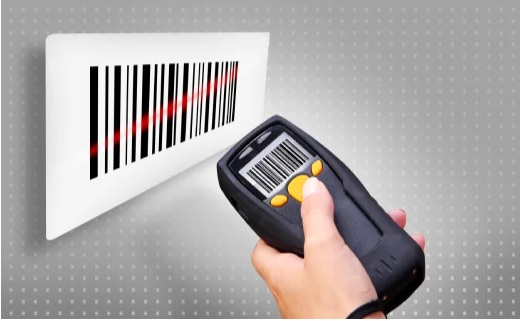
A barcode is simply a unique number, shown as scannable lines, linked to your product in a database. Understanding how to get barcodes for products in India starts with knowing what these codes actually represent. Scanning it pulls up details like price and description at checkout. Without a unique code, two different products can end up looking identical to a scanning system.
Two Paths to Getting a Barcode in India
Businesses in India generally choose between two routes. Large retailers and global marketplaces often expect official GS1 registration. Sellers on quick commerce platforms and smaller online stores often use simpler, one time vendor codes instead. Knowing which route fits your situation avoids wasted time and money. Each path has its own tradeoffs worth understanding before committing to one.
Path One: The Official GS1 Registration Route
GS1 is the global body responsible for issuing standardized GTIN numbers and EAN or UPC barcodes. Anyone researching how to get barcodes for products in India through official channels usually starts here. This route suits brands selling through large retail chains or international marketplaces. Registration involves a company code, ongoing fees, and formal documentation. It offers strong global recognition but takes longer and costs more upfront.
Documents and Details You Will Need
Most barcode applications, whether official or private, ask for similar basic information. Having these ready in advance speeds up the process considerably:
– Business registration proof, such as GST or incorporation documents
– Product details, including category, size, and packaging
– A brand or company name for labelling
– Contact details for order confirmation and support
– Payment details to complete the purchase
Path Two: Quick Codes for Marketplaces Like Blinkit
Many sellers listing on quick commerce apps need a working UPC code for blinkit without going through lengthy formal registration. Private barcode providers issue unique, check digit verified codes suited to this purpose. These codes work well for platforms that accept vendor supplied identifiers rather than requiring full GS1 membership. This route is faster and considerably cheaper for smaller catalogues, which matters a lot for new sellers.
Choosing the Right Path for Your Business
A seller planning to list only on quick commerce platforms may only need a simple UPC code for blinkit and similar apps. A business aiming for large retail chains or export markets should budget for GS1 registration instead. Reading each platform’s own requirements before purchasing any code avoids rejected listings later, which can otherwise cost valuable time.
Conclusion
Understanding how to get barcodes for products in India starts with knowing which route actually fits your business. Whether choosing official GS1 registration or a quicker vendor code, accuracy matters most. A UPC code for blinkit listing, applied correctly, keeps products easy to track from warehouse to checkout. Taking the time to choose wisely now avoids costly relisting further down the line.