


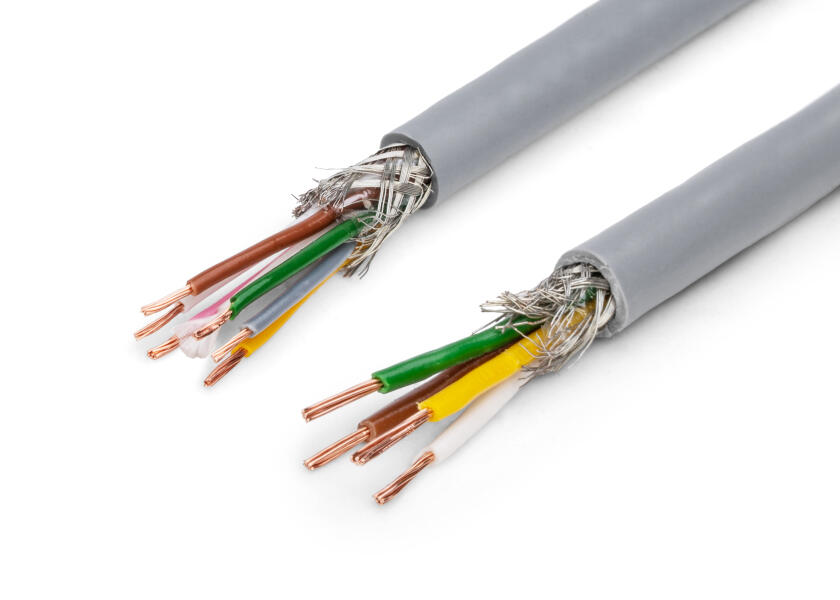
Selecting the right Control Cables is essential for maintaining reliable, safe, and efficient industrial operations. These cables are responsible for transmitting control signals between machines, control panels, sensors, and automation equipment. Choosing an unsuitable cable can lead to signal interference, unexpected downtime, increased maintenance costs, and even equipment failure. Understanding the key selection factors helps ensure long-term system performance and operational reliability.
Understand Your Application Requirements
The first step in choosing control cables is identifying the specific application. Different industries have different operating conditions, and the cable must be suitable for the intended environment. Consider whether the cable will be used for:
- Industrial automation systems
- Manufacturing equipment
- Control panels
- Robotics
- Conveyor systems
- HVAC equipment
- Process control systems
Each application may require different electrical, mechanical, and environmental characteristics.
Determine the Required Voltage Rating
Voltage rating is one of the most important specifications when selecting control cables. The cable should always match or exceed the operating voltage of the system to ensure safe performance. Using a cable with an insufficient voltage rating can result in insulation failure and safety risks.
Always verify the equipment specifications before choosing a cable to ensure compatibility with your electrical system.
Choose the Correct Number of Conductors
Control cables are available with various conductor counts depending on the complexity of the control system. The required number depends on how many control signals need to be transmitted.
When selecting conductor count, consider:
- Present control requirements
- Future system expansion
- Spare conductors for maintenance
- Equipment wiring diagrams
Choosing slightly more conductors than currently required can simplify future upgrades.
Select the Appropriate Conductor Size
Conductor size affects both electrical performance and voltage drop. Larger conductors are generally needed for longer cable runs or higher current applications.
Proper conductor sizing helps:
- Reduce voltage loss
- Improve efficiency
- Prevent overheating
- Increase cable lifespan
Following the electrical design specifications ensures optimal performance.
Consider Shielding Requirements
Industrial facilities often contain electrical noise generated by motors, variable frequency drives (VFDs), transformers, and switching equipment. Electromagnetic interference (EMI) can affect control signal accuracy.
Shielded control cables are recommended when:
- Cables run near power cables
- Sensitive electronic equipment is used
- Signal integrity is critical
- Automation systems require reliable communication
In low-interference environments, unshielded cables may provide sufficient performance while reducing overall cost.
Evaluate Environmental Conditions
Industrial environments can be harsh. The cable jacket and insulation must withstand the surrounding conditions throughout its service life.
Important environmental factors include:
- High or low temperatures
- Oil exposure
- Chemicals
- Moisture
- UV radiation
- Abrasion
- Outdoor installation
Selecting materials designed for these conditions significantly improves durability and reduces maintenance requirements.
Check Flexibility Requirements
Some industrial installations involve continuous movement, bending, or vibration. Standard control cables may not perform well in dynamic applications.
Flexible control cables are ideal for:
- Robotic systems
- Moving machinery
- Cable chains
- Automated production lines
- Repetitive motion equipment
Using highly flexible cables helps prevent conductor breakage and extends service life.
Consider Mechanical Protection
Certain installations expose cables to physical damage. In these environments, additional mechanical protection is beneficial.
Depending on the application, you may require:
- Reinforced outer jackets
- Armored construction
- Crush-resistant designs
- Abrasion-resistant materials
Mechanical protection reduces the likelihood of cable damage during installation and operation.
Verify Compliance with Industry Standards
Quality control cables should comply with recognized industry standards and testing requirements. Certified cables provide greater confidence in safety, performance, and long-term reliability.
Look for products that meet applicable electrical, fire safety, and environmental standards required by your industry or region.
Think About Installation Conditions
Cable installation plays an important role in long-term performance. Before purchasing, evaluate:
- Installation method
- Cable tray routing
- Bend radius
- Indoor or outdoor use
- Available installation space
- Future maintenance accessibility
Selecting a cable designed for the intended installation environment helps avoid premature failures.
Balance Performance and Cost
While lower-priced cables may reduce initial costs, they often lead to higher maintenance expenses and shorter service life. Investing in quality control cables can provide better reliability, fewer replacements, and reduced operational downtime.
Consider the total cost of ownership rather than focusing solely on purchase price.
Conclusion
Choosing the right Control Cables requires careful evaluation of electrical specifications, environmental conditions, shielding requirements, flexibility, mechanical protection, installation methods, and industry standards. A properly selected cable improves signal reliability, enhances equipment performance, minimizes maintenance, and supports long-term industrial productivity. By assessing both current operational needs and future system requirements, businesses can select control cables that deliver dependable performance throughout the life of their industrial applications.