


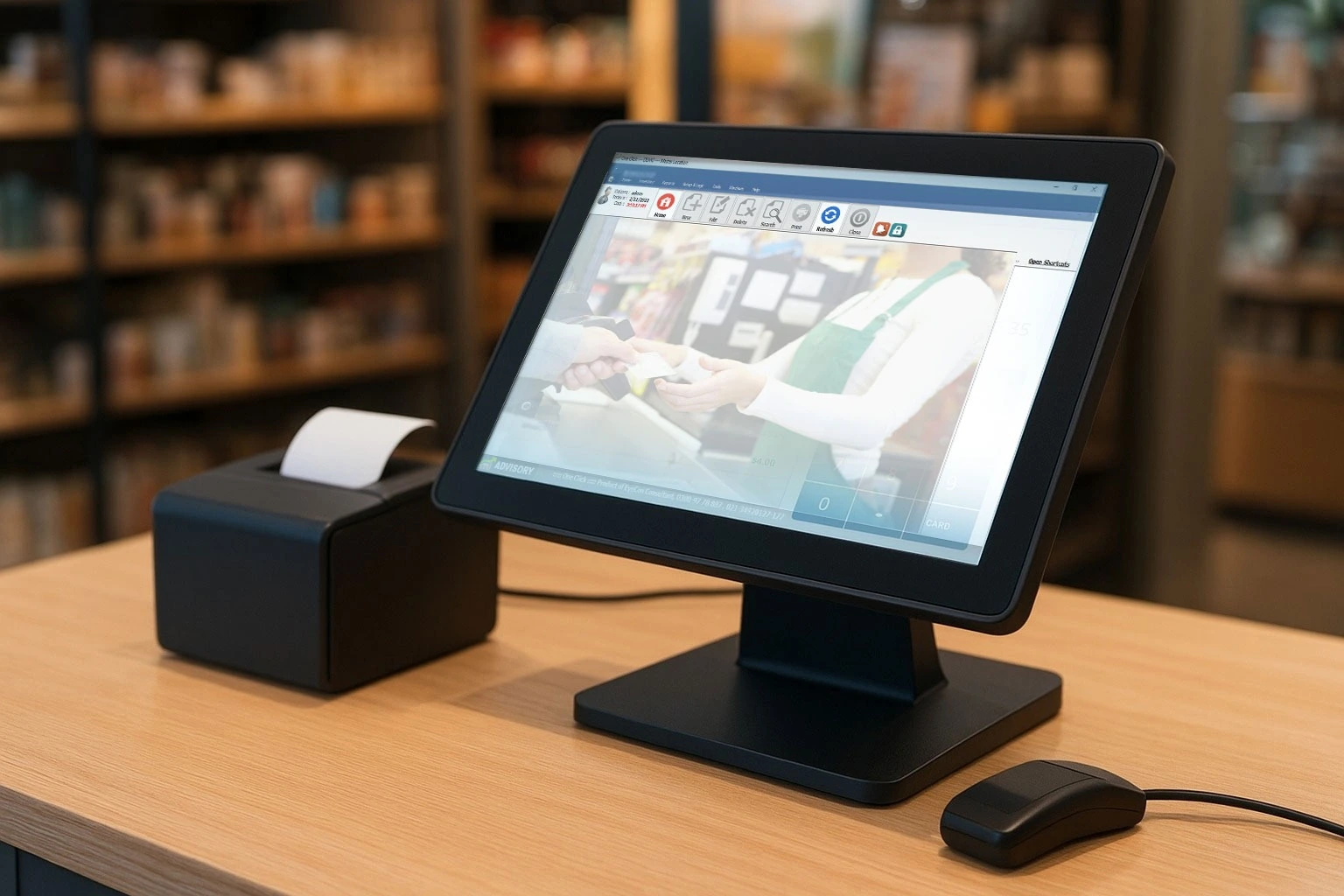
Point-of-sale systems are used across many countries and industries, but businesses do not operate under identical conditions. Payment preferences, regulations, connectivity standards, store layouts, and customer expectations can vary significantly from one market to another.
A POS System Manufacturer must account for these differences when developing products for regional markets. Adaptable hardware design allows POS systems to support local operational requirements while maintaining consistent performance and usability.
Understanding Regional Payment Preferences
Payment methods differ from one region to another. Some markets may rely heavily on cards, while others have widespread adoption of mobile wallets, QR-based payments, cash, or other transaction methods.
POS manufacturers need to consider which payment technologies their equipment can support. Compatibility with appropriate payment terminals and processing platforms can be an important part of regional product development.
Adapting to Local Regulations
Businesses may be required to follow country- or region-specific rules for receipts, taxation, transaction records, and payment processing.
POS systems may need to accommodate these requirements through compatible hardware and software configurations. Manufacturers typically work with technology partners and businesses to ensure products can function within the relevant regulatory environment.
Supporting Different Connectivity Standards
Reliable connectivity is essential for modern POS systems, but available infrastructure varies between regions. Businesses may rely on wired networks, Wi-Fi, cellular connections, or combinations of these technologies.
Manufacturers can provide different connectivity options to suit various operating environments. Hardware with flexible interfaces can also make it easier to connect scanners, printers, payment devices, and other peripherals.
Considering Regional Power Requirements
Electrical standards are not identical worldwide. Voltage, frequency, and plug configurations can vary between countries and regions.
POS equipment intended for international markets must be designed or configured to operate safely within the applicable electrical environment. Appropriate power components and region-specific configurations help businesses deploy equipment more effectively.
Designing for Different Store Environments
Physical retail environments can vary considerably. A compact convenience store may have very limited counter space, while a large department store may use multiple checkout stations and self-service areas.
Manufacturers can address these differences by offering different terminal sizes, mounting options, display configurations, and peripheral combinations. Flexible hardware allows businesses to build systems around their available space.
Supporting Local Languages
Employee and customer interfaces may need to accommodate different languages and writing systems. This can influence display requirements, keyboard layouts, printer capabilities, and software compatibility.
Hardware should provide suitable support for the intended language environment, particularly when customer-facing displays or printed receipts are involved.
Adapting to Local Customer Behavior
Customer expectations can influence POS hardware requirements. In some regions, shoppers may strongly prefer contactless transactions, while other markets may place greater emphasis on cash handling or alternative digital payment methods.
Manufacturers consider these behavioral differences when developing and configuring products. Understanding how customers actually shop can help businesses select equipment that fits local checkout practices.
Accounting for Environmental Conditions
Climate and operating environments can also vary by region. Equipment used in a cool, controlled indoor environment may face different conditions from hardware deployed in a hot or humid location.
Manufacturers can consider factors such as operating temperature, ventilation, moisture exposure, and dust when designing products for particular environments. Businesses should always check the manufacturer’s stated operating specifications before installation.
Meeting Local Peripheral Requirements
POS systems rarely consist of a single device. Depending on the market and industry, businesses may require barcode scanners, receipt printers, cash drawers, customer displays, payment terminals, scales, or other peripherals.
Manufacturers need to consider compatibility with the accessories commonly used in each region. Standardized connection options can provide greater flexibility when businesses configure their systems.
Balancing Standardization and Customization
Serving multiple markets creates a challenge for manufacturers. Standardized products can simplify production and support, while regional customization may be necessary to meet local requirements.
Many manufacturers address this by developing common hardware platforms that can be configured with different components or regional features. This approach can provide consistency while still accommodating market-specific needs.
Supporting International Expansion
Regional adaptability becomes particularly valuable for businesses operating across multiple countries. A retailer expanding into a new market may need to adjust its payment methods, receipt formats, connectivity, and other POS requirements.
Hardware that offers flexible configurations can make these transitions more manageable. Businesses can also benefit from establishing consistent procurement and deployment processes across locations where practical.
Evaluating Hardware for a Specific Market
Businesses should not assume that equipment designed for one region will automatically meet the requirements of another. Before purchasing, they should verify:
- Payment and peripheral compatibility
- Electrical requirements
- Network and connectivity options
- Local regulatory considerations
- Language and interface requirements
- Environmental operating specifications
- Availability of support and replacement components
These checks can reduce compatibility issues and help prevent unexpected deployment problems.
Conclusion
Regional market requirements can have a significant influence on POS system development. Payment preferences, regulations, electrical standards, connectivity, languages, environmental conditions, and customer behavior all affect how POS equipment needs to be designed and configured.
For businesses, understanding these factors is important when selecting technology for a specific country or planning international expansion. A flexible POS system can help organizations meet local operational needs while maintaining a consistent and manageable technology infrastructure.