


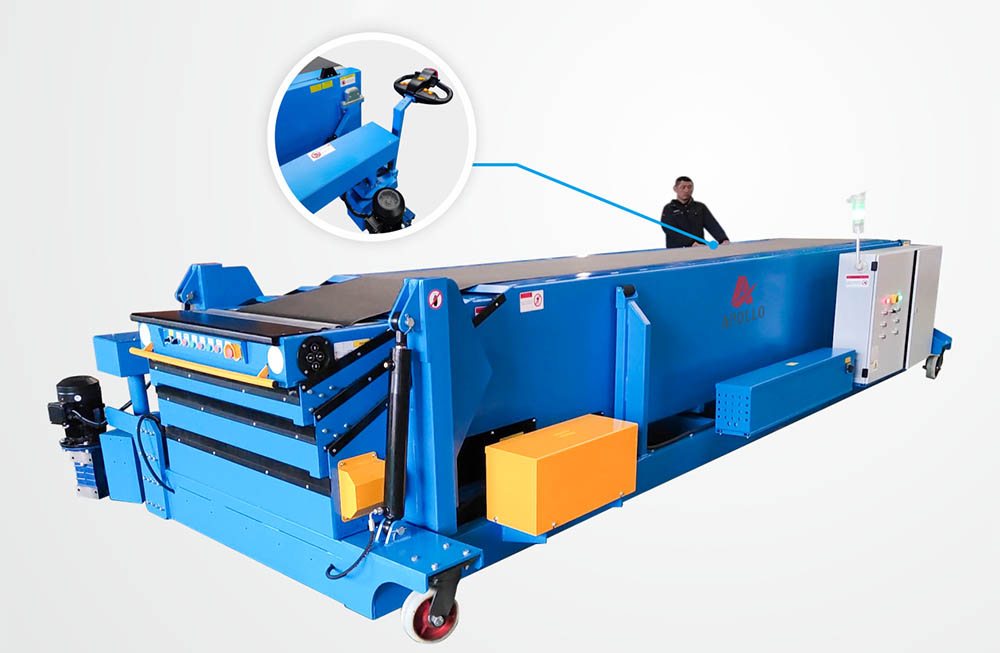
Telescopic conveyors have become an essential component in modern material handling, offering flexibility, efficiency, and safety in loading and unloading operations. These systems are designed to extend and retract, allowing goods to be transported smoothly from warehouse floors to trucks, containers, or other storage areas. Their ability to streamline workflows, reduce manual labor, and handle high volumes of products makes them highly valuable across multiple industries.
A telescopic conveyor provides solutions to the challenges of time-sensitive logistics, repetitive lifting, and variable vehicle sizes. With adjustable lengths and motorized belts, these systems are ideal for businesses that need to move packages efficiently, minimize employee strain, and ensure consistent throughput. Understanding which industries benefit the most from telescopic conveyors helps businesses identify operational opportunities and maximize productivity.
Logistics and E-Commerce Distribution
The logistics and e-commerce sectors are among the primary users of telescopic conveyors. Distribution centers and fulfillment warehouses must handle thousands of packages daily, often under strict delivery timelines. Telescopic conveyors facilitate rapid loading and unloading of trucks and trailers, reducing the need for manual carrying of parcels.
E-commerce companies, in particular, rely on these systems to maintain high-speed order fulfillment. The ability to extend the conveyor directly into a vehicle allows workers to transfer goods quickly, while retraction ensures the dock area remains organized. By minimizing manual handling, logistics centers can increase efficiency, reduce labor costs, and maintain employee safety.
Courier and Parcel Delivery Services
Courier companies and postal services also make extensive use of telescopic conveyors. These facilities process large volumes of parcels daily and require a system that can keep pace with high operational demands. Telescopic conveyors enable workers to load delivery trucks efficiently, ensuring that parcels reach their destinations on time.
In addition to speed, these conveyors help reduce workplace injuries. With fewer employees carrying heavy or awkward parcels, the risk of musculoskeletal injuries decreases significantly. The conveyors’ smooth belt motion also prevents packages from being dropped, damaged, or misaligned during loading and unloading.
Manufacturing Facilities
Manufacturing plants frequently integrate telescopic conveyors into their logistics operations to transfer finished goods from production lines to shipping areas. These systems are particularly beneficial in facilities producing high volumes of products that need to be dispatched efficiently.
Telescopic conveyors can handle a variety of item sizes and weights, making them versatile for diverse manufacturing outputs. By reducing manual handling, manufacturers can maintain a safer work environment and ensure consistent delivery schedules. Additionally, these conveyors support lean manufacturing principles by improving workflow and minimizing idle time in the material handling process.
Food and Beverage Industry
The food and beverage sector relies on telescopic conveyors to handle packaged goods safely and efficiently. From cartons of beverages to food packages ready for distribution, these conveyors reduce the need for repeated lifting and manual transport.
Hygiene and safety are critical considerations in this industry. Many telescopic conveyor systems are designed with materials and coatings that are easy to clean and maintain, helping facilities comply with food safety regulations. By automating loading and unloading processes, food and beverage companies can achieve faster turnover and maintain product quality.
Retail and Wholesale Distribution
Retail distribution centers also benefit from telescopic conveyors. Large retail chains and wholesale distributors often manage diverse product inventories that must be loaded into trucks for store deliveries. Telescopic conveyors allow employees to transfer goods quickly, reducing the time vehicles spend at the dock.
These systems are especially useful for facilities dealing with seasonal surges in shipments. The flexibility to adjust conveyor length and belt speed helps retailers handle varying shipment volumes efficiently, ensuring timely delivery to multiple locations.
Airport Cargo Handling
Air cargo facilities require fast, accurate, and reliable movement of goods. Telescopic conveyors help airport cargo operators load and unload containers and trucks quickly, supporting strict flight schedules. The ability to extend into different cargo vehicles and adjust height levels ensures smooth handling of various container sizes.
In addition to speed, telescopic conveyors improve safety in airport logistics. Workers no longer need to lift heavy containers manually, and the system minimizes the risk of damage to high-value or fragile cargo.
Pharmaceutical and Healthcare Distribution
Pharmaceutical companies and healthcare distributors use telescopic conveyors to manage sensitive products that require careful handling. From medical supplies to packaged medications, these systems reduce the risk of mishandling during transport.
Precision in loading and unloading is critical in this sector. Telescopic conveyors provide controlled movement, ensuring products reach vehicles or storage areas safely and efficiently. By automating repetitive tasks, facilities can maintain compliance with strict regulatory standards while improving operational efficiency.
Conclusion
Telescopic conveyors are versatile systems that provide value across a wide range of industries. Logistics, e-commerce, courier services, manufacturing, food and beverage, retail, airport cargo, and pharmaceutical distribution all benefit from their efficiency, safety, and flexibility. By reducing manual labor, accelerating loading and unloading, and minimizing product damage, telescopic conveyors help businesses maintain high productivity and operational reliability. Investing in these systems ensures smoother workflows and improved material handling across modern facilities.