


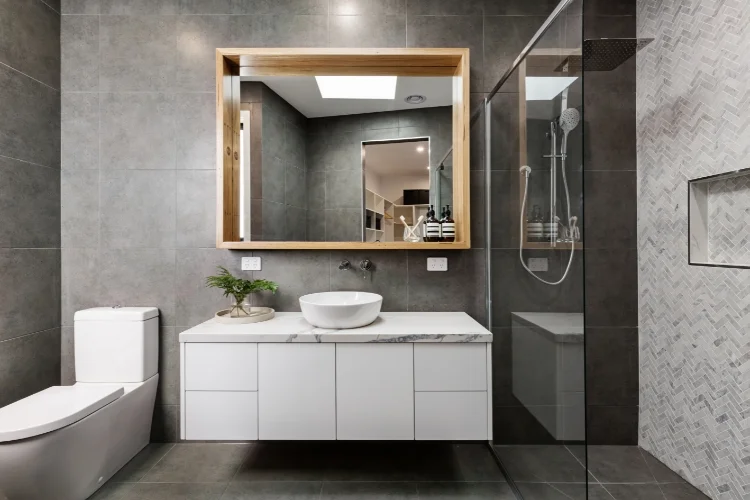
OEM and custom manufacturing can give buyers greater flexibility when sourcing bathroom products for specific markets, projects, or brands. Instead of selecting only standard catalog items, buyers can work with manufacturers to adjust designs, dimensions, materials, finishes, and packaging.
When comparing China Sanitary Ware Manufacturers, it is useful to determine whether their OEM and customization capabilities match your technical requirements. A suitable supplier should be able to manage product development while maintaining consistent quality and production timelines.
What Is OEM Sanitary Ware Manufacturing?
OEM manufacturing generally involves producing goods according to specifications provided by a buyer. The manufacturer handles production while the buyer may sell the finished products under its own brand or distribution channels.
Depending on the agreement, OEM services can include product manufacturing, branding, packaging, labeling, and other project-specific requirements.
What Can Be Customized?
The scope of customization varies between manufacturers and product categories. Common options can include:
- Product dimensions and configurations
- Shapes and design details
- Materials and construction
- Colors and surface finishes
- Countertop and basin combinations
- Drain and installation specifications
- Logos and product markings
- Retail or project packaging
Not every manufacturer can accommodate every type of modification, so requirements should be discussed before requesting a quotation.
Custom Designs and Product Development
For buyers with original product concepts, the process may begin with technical drawings, sketches, samples, or reference products. The manufacturer then assesses whether the design can be produced using its existing equipment and processes.
Complex designs may require new molds, tooling, production methods, or material testing. Understanding these requirements early can help buyers estimate development costs and lead times.
Mold and Tooling Considerations
Customized sanitary ware may require dedicated molds or tooling. These costs can affect the overall economics of a project, particularly when the order volume is relatively small.
Before approving tooling, confirm who owns the molds, how they will be stored, whether maintenance costs apply, and what happens if the business relationship ends.
OEM Branding and Packaging
For private-label products, manufacturers may provide branding options such as logos, labels, product markings, cartons, manuals, or other printed materials.
Packaging can also be customized to suit retail distribution or project delivery requirements. Buyers should approve artwork and packaging specifications before production to avoid errors in labeling or presentation.
Minimum Order Quantities
Customization often involves higher minimum order quantities than standard products. This is because manufacturers may need to purchase special materials, prepare dedicated tooling, adjust production lines, or produce customized packaging.
Ask suppliers to provide separate minimum quantities for standard products, customized products, and products requiring new molds. This makes it easier to assess whether a proposed project is commercially practical.
Sample Approval Before Mass Production
Sample approval is one of the most important steps in a custom manufacturing project. A sample allows buyers to check the physical product against the intended design before committing to full-scale production.
Review the sample for:
- Dimensions and proportions
- Material and construction
- Surface finish
- Color consistency
- Installation requirements
- Functional details
- Branding and packaging
For complex products, approved technical drawings should accompany the final sample as a reference for production.
Quality Control for Custom Products
Customized products require clear quality standards because there may be no existing catalog model to use as a benchmark.
Buyers should establish specifications for dimensions, materials, finishes, tolerances, appearance, functionality, and packaging. These requirements should be documented and agreed upon before mass production begins.
For larger orders, an independent inspection can also help verify whether finished products conform to the approved specifications.
Intellectual Property Considerations
Custom product development can involve proprietary designs, drawings, trademarks, or technical information. Buyers should consider how intellectual property will be protected before sharing detailed product concepts.
Written agreements can clarify ownership of designs, molds, tooling, technical drawings, and other project-specific assets. Buyers should also ensure that trademarks and branding materials are used only as authorized.
Production Lead Times
Custom orders typically require more planning than standard products. Design reviews, sample development, tooling, testing, and production preparation can extend the overall timeline.
When requesting quotations, ask manufacturers to provide separate estimates for sample development, tooling, mass production, and shipping. Building additional time into the project schedule can help accommodate revisions or unexpected production issues.
Evaluating a Custom Manufacturing Partner
When assessing potential suppliers, consider more than their ability to produce a particular product. Look at their engineering resources, manufacturing equipment, quality-control procedures, communication, and previous experience with similar projects.
Useful questions include:
- Can the factory manufacture from technical drawings?
- What customization options are available?
- What tooling or mold costs are involved?
- What are the minimum order quantities?
- How long does sample development take?
- What quality checks are performed?
- Who owns the tooling and product designs?
- How are design changes documented?
- What are the expected production lead times?
- Can the supplier provide customized packaging and branding?
Standard Products vs. Custom Products
Standard catalog products are generally simpler to source because specifications, molds, and production processes are already established. They may also have lower minimum order quantities and shorter lead times.
Custom products offer greater flexibility but usually require more development work, higher initial costs, and closer communication. The right choice depends on the buyer’s budget, project requirements, order volume, and desired level of differentiation.
Final Considerations
OEM and custom manufacturing can be valuable options for businesses seeking distinctive sanitary ware products or solutions tailored to specific markets and projects. However, successful customization depends on clear specifications, realistic production requirements, quality controls, and effective communication.
Before committing to an OEM project, buyers should evaluate a manufacturer’s technical capabilities, sample process, tooling arrangements, production capacity, quality standards, and intellectual property terms. A structured approach can help turn a custom concept into a practical and repeatable product.