


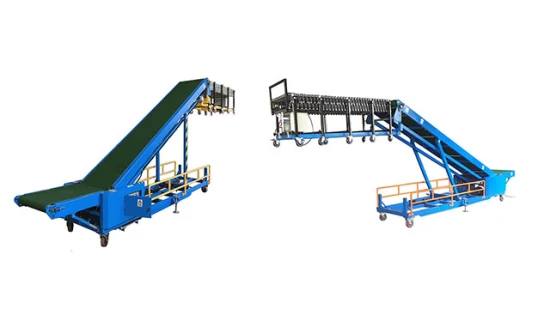
Vehicle loading conveyors are essential tools in modern warehouses and logistics operations. They streamline the process of loading and unloading goods, improve efficiency, reduce manual labor, and enhance workplace safety. However, like any industrial equipment, conveyors require regular maintenance to ensure they remain reliable, safe, and efficient over time. Implementing best practices in maintenance can significantly extend the lifespan of the system, minimize downtime, and prevent costly repairs.
A Vehicle Loading Conveyor operates under continuous stress, handling heavy loads, repetitive motion, and environmental factors such as dust, moisture, and temperature changes. Proper maintenance practices are therefore critical for both operational efficiency and workplace safety. Facilities that follow structured maintenance protocols can avoid unexpected breakdowns, reduce repair costs, and maintain consistent productivity.
Regular Inspection and Monitoring
Routine inspection is the foundation of effective conveyor maintenance. Operators and maintenance personnel should visually inspect the conveyor daily for signs of wear, misalignment, or damage. Key areas to check include belts, rollers, motors, chains, and safety guards. Any unusual noise, vibration, or irregular movement should be investigated immediately to prevent escalation.
Advanced facilities may also employ sensor-based monitoring systems that track conveyor performance in real-time. These systems can detect motor strain, belt slippage, or roller misalignment, allowing maintenance teams to intervene before a minor issue becomes a major failure. Consistent monitoring helps maintain optimal performance and extends the operational life of the conveyor.
Lubrication and Mechanical Maintenance
Proper lubrication of moving parts is essential for smooth operation and reduced wear. Bearings, chains, gears, and rollers require regular lubrication according to manufacturer guidelines. Over-lubrication can be as harmful as under-lubrication, causing accumulation of dirt and debris that can damage components.
Mechanical maintenance also includes checking and tightening fasteners, inspecting belt tension, and ensuring that rollers are aligned correctly. Misaligned or worn components can lead to excessive friction, operational inefficiency, and potential safety hazards. Scheduled mechanical checks prevent minor issues from escalating into significant problems.
Belt and Roller Maintenance
Belts and rollers are critical components of vehicle loading conveyors and require special attention. Belts should be inspected for fraying, tearing, or uneven wear. Worn belts can reduce operational efficiency and increase the risk of material spillage or damage. Adjusting belt tension and alignment regularly helps maintain smooth operation.
Rollers should be checked for wear, corrosion, or damage. Lubricating roller bearings and replacing worn rollers promptly ensures that the conveyor maintains consistent speed and load-handling capabilities. Preventive replacement of these components is often more cost-effective than emergency repairs during production delays.
Electrical System Maintenance
Electrical systems power the conveyor and are vital to its operation. Regular inspections should include checking motors, wiring, control panels, and sensors. Look for signs of overheating, loose connections, or worn cables. Ensuring that electrical components are clean and free of dust or moisture prevents short circuits and operational failures.
Periodic testing of safety interlocks, emergency stops, and control switches is essential to maintain compliance with workplace safety regulations. Properly functioning electrical systems not only support reliable operation but also protect workers from electrical hazards.
Cleaning and Environmental Care
Keeping the conveyor clean is an important maintenance practice. Dust, debris, and spilled materials can accumulate on belts, rollers, and moving parts, leading to increased wear, operational inefficiency, and potential safety risks. Regular cleaning with appropriate tools prevents buildup and ensures smooth material flow.
Environmental factors such as temperature, humidity, and exposure to corrosive substances can also impact the conveyor’s longevity. Facilities should ensure that conveyors are protected from excessive moisture, corrosive chemicals, or extreme temperatures. Protective coatings or covers can extend the lifespan of critical components.
Scheduled Preventive Maintenance
Preventive maintenance involves conducting regular, planned maintenance activities before failures occur. This includes comprehensive inspections, part replacements, lubrication, and performance testing at predefined intervals. Preventive maintenance reduces the likelihood of unexpected breakdowns, prolongs the life of components, and ensures consistent conveyor performance.
Documenting maintenance activities and schedules helps track equipment condition and predict when parts will need replacement. A well-organized preventive maintenance program improves operational reliability and supports continuous warehouse productivity.
Training and Operator Awareness
Proper training for operators is crucial for effective conveyor maintenance. Operators should be aware of daily inspection routines, signs of wear or malfunction, and safe operational practices. Educated operators can identify minor issues early and communicate them to maintenance personnel, preventing equipment damage and workplace accidents.
Periodic refresher training ensures that operators remain up-to-date on maintenance procedures, safety protocols, and emergency response actions. This proactive approach supports both conveyor longevity and worker safety.
Conclusion
Maintaining a vehicle loading conveyor involves regular inspection, lubrication, belt and roller maintenance, electrical system checks, cleaning, preventive maintenance, and proper operator training. Adhering to these best practices ensures reliable performance, reduces downtime, extends the life of the conveyor, and enhances workplace safety. Facilities that implement structured maintenance programs can optimize their material handling operations, minimize repair costs, and maintain consistent productivity, making maintenance a strategic priority in logistics and warehouse management.