


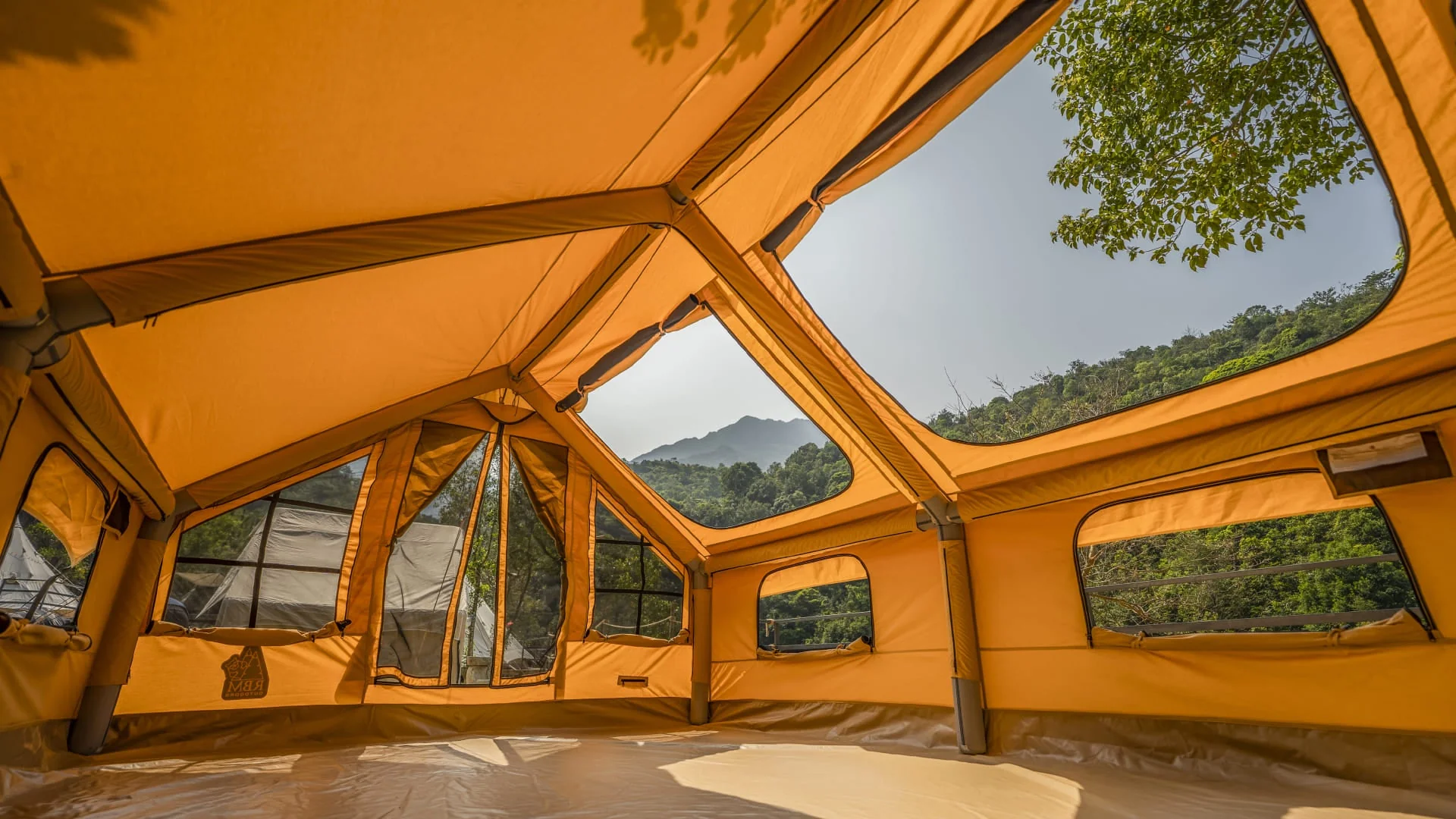
Inflatable military tents are vital assets for modern defense operations, emergency response teams, and field deployments. They provide rapidly deployable, durable, and versatile shelter solutions for command posts, field hospitals, storage facilities, and personnel accommodations. While operational performance and durability are critical, cost remains a major consideration when selecting the right tent for military or emergency use. Understanding the factors that influence pricing can help military planners and procurement teams make informed decisions without compromising quality or reliability.
Professional Inflatable Military Tent Manufacturers offer a variety of models and configurations, and their pricing structures reflect multiple components, including materials, design complexity, production methods, and additional features. Evaluating these cost factors ensures that investments are optimized for operational needs and long-term value.
Material Quality and Durability
The materials used in an inflatable military tent have a direct impact on its cost. High-performance fabrics such as PVC-coated polyester, PU-coated Oxford, and laminated airtight textiles are commonly used to ensure durability, weather resistance, and structural stability.
PVC-coated polyester, for instance, offers excellent tear resistance, waterproofing, and UV protection, but it is more expensive than standard polyester fabrics. PU-coated fabrics are lighter and easier to transport, which can reduce logistics costs, but they may be slightly less durable under extreme conditions. Laminated fabrics used in internal air chambers enhance airtightness and stability but add to the material cost. Selecting the right material balance between durability and affordability is essential to achieving the best long-term value.
Size and Capacity
The size and internal capacity of the tent are key cost determinants. Smaller tents designed for individual or small-team use are generally less expensive due to lower material requirements and simpler construction. In contrast, medium to large tents capable of housing multiple personnel, medical units, or command centers require significantly more fabric, structural components, and labor, which increases the overall cost.
Multi-chamber or modular designs, often used in larger tents, enhance stability and operational flexibility but also add complexity to production, further influencing pricing. Decision-makers must carefully match tent size and capacity with mission requirements to avoid unnecessary expenses on oversized units.
Design Complexity and Features
Tents with advanced design features typically command higher prices. Features such as multi-chamber air systems, reinforced anchoring points, modular connectivity, and integrated partitions improve stability, safety, and functionality. Additional elements like insulated panels, ventilation systems, smart air valves, and climate control options also increase production complexity and cost.
While these enhancements add to the upfront investment, they can significantly improve operational efficiency, personnel comfort, and long-term durability, often reducing replacement or maintenance costs over time.
Manufacturing Techniques and Labor
The techniques used in tent manufacturing influence both cost and quality. High-frequency welding, heat sealing, reinforced stitching, and automated assembly require skilled labor and specialized equipment, which may raise the price of the final product.
Investing in tents produced with advanced manufacturing methods ensures consistent quality, airtight seals, and structural integrity, which is critical in demanding military and emergency environments. Although production costs may be higher, the reliability and safety benefits often justify the investment.
Transportation and Logistics
Transporting inflatable military tents can also contribute to total costs, especially for larger models or bulk orders. Lightweight, compact designs reduce shipping volume and associated costs, but tents with specialized configurations or large dimensions may require additional logistics planning.
Some tents are designed for modular packaging to simplify transport and deployment. Choosing tents that balance portability with operational requirements helps manage overall procurement costs while ensuring that units can be deployed quickly in the field.
Maintenance and Lifespan
Long-term operational costs are influenced by maintenance requirements and expected lifespan. Tents made from high-quality materials with robust construction require less frequent repairs and have longer service lives, reducing overall cost of ownership. Conversely, cheaper tents with lower durability may incur higher replacement and repair costs over time.
Consideration of maintenance, repair availability, and manufacturer support is essential when evaluating cost-effectiveness. Investing in tents with higher upfront costs may offer better value over the operational life of the shelter.
Compliance and Certification
Tents meeting military standards for safety, fire resistance, chemical protection, and environmental durability often cost more due to the testing and certification processes involved. These certifications are critical for operational reliability and compliance with regulatory requirements. Cutting corners in certification may reduce initial costs but can compromise safety and long-term performance.
Conclusion
Choosing an inflatable military tent requires a careful evaluation of multiple cost factors, including material quality, size and capacity, design complexity, manufacturing techniques, transportation logistics, maintenance, and compliance. While initial purchase price is important, long-term durability, operational efficiency, and safety should be primary considerations. Professional inflatable military tent manufacturers provide a range of options designed to balance these factors, ensuring that military and emergency teams receive reliable, cost-effective, and high-performance shelter solutions for diverse operational needs. By understanding the key cost drivers, decision-makers can make informed investments that support both immediate deployment requirements and long-term operational sustainability.