


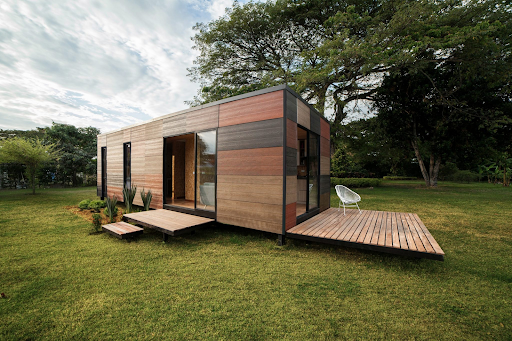
Portable buildings have come a long way from the simple, temporary boxes people once imagined. Today, they are used across industries, from construction and education to healthcare and hospitality, because they offer flexibility, speed, and cost-efficiency. Yet despite their growing popularity, many misconceptions still surround them. If you’re considering a portable building but aren’t sure what to believe, this guide breaks down the most common myths and explains the real facts behind them.
Myth 1: Portable Buildings Can’t Be Used Year-Round
One of the most common assumptions is that portable cabins are suitable only for mild weather or short-term use. In reality, portable buildings are engineered to support year-round operations, even in challenging climates.
Modern portable structures are built with insulated walls, strong framing such as LGSF structure, and properly designed roofing systems. These features help maintain indoor temperature, reduce energy loss, and ensure comfort throughout every season. Whether it’s a summer site office or a winter storage facility, a well-designed portable cabin can easily function all year long.
Myth 2: Portable Buildings Are Too Expensive
Many people assume portable buildings cost more than traditional construction. However, when you factor in speed, labor savings, and minimized on-site disruption, they are often significantly more affordable.
A porta cabin container can be manufactured in a controlled facility, cutting down construction waste and avoiding unexpected site delays. This efficiency directly impacts cost. Additionally, since most of the work happens off-site, installation time is drastically reduced, saving both money and effort. In many cases, portable buildings offer better long-term value because they are reusable, relocatable, and adaptable to evolving needs.
Myth 3: Portable Buildings Are Low Quality
Another widespread misconception is that portable buildings compromise on quality. This was true decades ago when portable structures were basic temporary shelters, but today’s reality is completely different.
Modern portable buildings are made with engineered framing systems, steel reinforcements, high-grade insulated panels, and reliable weatherproofing technologies. These components ensure the building’s durability, safety, and structural integrity. A high-quality modular portable cabin can meet the same safety and performance standards as many traditional buildings. They are used by government departments, construction companies, private organizations, SMEs, schools, hospitals, and even in remote industrial setups, proving that they are anything but low quality.
Myth 4: Portable Buildings Face Too Many Zoning Issues
It’s often believed that setting up a portable cabin means dealing with complicated zoning restrictions and lengthy approvals. While every region has its regulations, portable buildings are designed to comply with local guidelines for temporary and semi-permanent structures.
Most portable facilities have standard documentation, engineering drawings, and certifications that simplify approval processes. In fact, the ability to quickly dismantle and relocate a porta cabin container often makes it easier to install in various areas compared to permanent buildings. When handled by an expert provider, zoning and approvals become a smooth and manageable process.
Myth 5: Portable Buildings Have Short Lifespans
People often think portable buildings last only a few years. However, with proper engineering and regular upkeep, these structures can last for decades.
Steel-based systems like LGSF structure are incredibly resilient and resistant to issues like corrosion, pests, or structural fatigue. Additionally, since portable buildings are manufactured in controlled conditions, quality control is much higher than in on-site construction. A well-maintained portable building can support long-term use for offices, homes, classrooms, clinics, and more.
Myth 6: Portable Buildings Can Blow Away in a Storm
This myth usually comes from outdated perceptions. In truth, portable buildings follow strict structural and safety standards. They are anchored securely, engineered for wind loads, and tested for stability.
For instance, a modular portable cabin built with a steel frame and proper foundation anchoring is designed to withstand strong winds and harsh weather. Many industries use them in coastal regions, desert zones, and high-wind sites without concerns. As long as the installation is handled professionally, storm safety is not an issue.
Conclusion
Modern portable buildings are no longer just temporary shelter; they are engineered solutions built for adaptability, durability, and long-term performance. Whether you’re considering a portable cabin or a steel-framed LGSF structure, the truth is clear: these facilities offer practical, efficient, and future-ready options for a wide range of needs.
If you’re looking for reliable portable building solutions, Solvabuild brings engineering expertise, high-quality construction standards, and end-to-end support. They ensure your facility is designed for performance and built to last.
Ready to build smarter? Contact Solvabuild today and get a customised portable building solution for your needs.