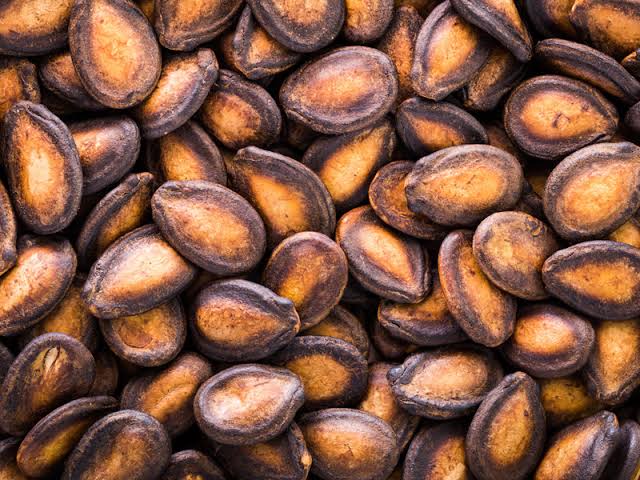
An ingredient does not have to be large or strongly flavored to become useful in the kitchen. Watermelon seed kernels demonstrate this particularly well. Their mild taste, compact size, and nutritional composition make them suitable for a range of food preparations. Once separated from their hard outer coverings, they can be incorporated into snacks, bakery products, sauces, and several other recipes.
For food enthusiasts and manufacturers interested in versatile plant-based ingredients, Watermelon Seed Kernels provide a convenient option. These edible portions can be purchased ready for use, eliminating the need to remove individual shells. Depending on the processing method, they may be available raw, roasted, salted, or prepared for further food production.
What Are Watermelon Seed Kernels?
Watermelon seed kernels are the edible inner portions of selected watermelon seeds. They are generally lighter in color than the outer shells and have a relatively mild, nutty taste.
The kernels are obtained through processing that separates the edible portion from the hard covering. Cleaning and sorting help remove unwanted material and improve consistency.
Their mild flavor is one of their most useful characteristics. Unlike ingredients with strong natural aromas, watermelon seed kernels can be incorporated into recipes without significantly changing the overall taste.
Nutritional Components Worth Considering
Watermelon seed kernels contain several nutrients that contribute to normal dietary requirements.
- Protein: Provides amino acids needed for normal body tissue maintenance.
- Magnesium: Participates in normal muscle function and energy metabolism.
- Iron: Helps support normal oxygen transportation.
- Zinc: Contributes to normal immune function.
- Unsaturated fats: Provide energy and form part of a balanced dietary fat intake.
- Phosphorus: Supports normal bone maintenance and cellular energy processes.
Their exact nutritional composition depends on the variety and processing method. Roasted, salted, and flavored versions may have different nutritional profiles.
Practical Uses in Everyday Snacks
Watermelon seed kernels can be used directly or combined with other ingredients.
Homemade Seed Mixtures
Combine them with pumpkin kernels, sunflower seeds, almonds, and dried fruit. The mixture can be divided into individual portions and stored in airtight containers.
Roasted Kernel Snacks
Lightly roasting the kernels develops their nutty aroma and creates a crisp texture. They can be seasoned with salt, pepper, or mild spices according to preference.
Snack Bars
Mix the kernels with oats, chopped dates, raisins, and a suitable binding ingredient. Press the mixture into a tray, chill until firm, and cut into bars.
This preparation offers a convenient way to use different seeds together.
How They Improve Bakery Products
Bakery products often benefit from ingredients that provide texture without overwhelming their main flavors.
Watermelon seed kernels can be added to:
- Wholegrain bread and rolls.
- Homemade cookies and biscuits.
- Breakfast muffins.
- Granola and cereal bars.
- Crackers and savory baked snacks.
They can be mixed directly into dough or scattered over the surface before baking. Lightly roasted kernels may provide a stronger flavor, while raw kernels are useful when they will undergo baking.
Applications in Savory Cooking
The kernels can also become part of everyday savory meals.
Sprinkle them over vegetable salads, cooked rice, or grain bowls to add texture. They can be combined with roasted vegetables or incorporated into homemade savory fillings.
When finely ground, watermelon seed kernels may be used in selected sauces and spreads. Their natural richness can contribute to a thicker consistency, although the final texture depends on the other ingredients.
They can also be combined with herbs, garlic, and other seeds to create customized seasoning mixtures.
Considerations for Food Manufacturers
Commercial food producers may use watermelon seed kernels in products that require plant-based ingredients with mild flavor characteristics.
Consistency is particularly important in commercial applications. Buyers generally need to consider kernel size, moisture level, cleanliness, packaging, and processing specifications.
For bakery and snack production, uniform kernels help create a more consistent finished product. Proper storage and quality checks are equally important when purchasing in bulk.
Selecting and Storing Fresh Kernels
Fresh watermelon seed kernels should have a clean appearance and a mild, natural aroma. Avoid products that appear damp, moldy, or unusually discolored.
Store them in sealed packaging or airtight containers. A cool, dry environment helps maintain quality, while refrigeration can be useful for longer storage.
Because kernels contain natural oils, exposure to excessive heat and air may eventually affect their flavor.
A Versatile Ingredient for Different Food Applications
Watermelon seed kernels offer an interesting combination of nutritional value and culinary flexibility. Their mild taste makes them suitable for both sweet and savory preparations, while their ready-to-use form simplifies everyday cooking.
From homemade snack bars to commercial bakery products, they can contribute texture and variety without requiring complicated preparation. For households and food businesses alike, they represent a useful addition to a diverse collection of edible seeds.