Industrial air pollution control systems play an important role in reducing dust, fumes, and selected gaseous contaminants released during manufacturing operations. A cyclone spray tower combines gas movement, liquid spraying, and contaminant collection to treat industrial exhaust. However, its performance depends on consistent airflow, effective liquid distribution, and properly functioning internal components. Over time, dust accumulation, nozzle blockages, corrosion, and mechanical wear can reduce treatment efficiency. Following a structured Cyclone Spray Tower Maintenance program helps keep equipment operating reliably, minimize unexpected downtime, and support consistent pollution control performance.
Why Is Cyclone Spray Tower Maintenance Important?
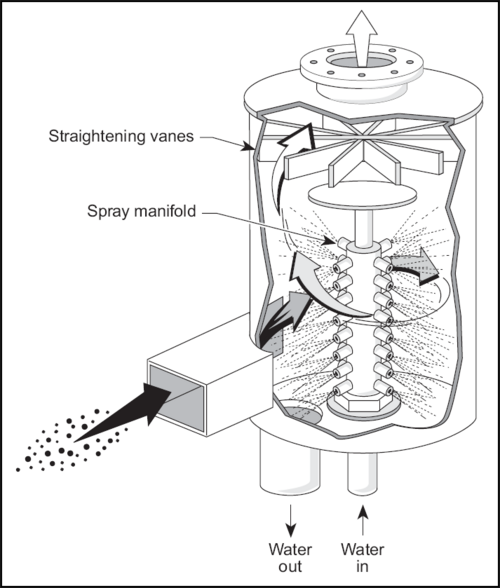
A cyclone spray tower uses a combination of centrifugal movement and liquid contact to capture particulate matter and, depending on the scrubbing solution, certain gaseous pollutants. Exhaust gas enters the equipment and follows a controlled flow path while spray nozzles distribute liquid into the treatment chamber. Contaminants are captured by liquid droplets or separated through centrifugal action before the treated gas exits the system.
Continuous operation exposes internal components to moisture, suspended solids, and potentially corrosive substances. Deposits can form on chamber walls, nozzles, pipelines, and collection areas. If these issues are not addressed, they may restrict airflow, reduce liquid distribution, and increase operating costs.
Regular maintenance helps preserve the equipment’s intended performance and provides an opportunity to identify developing problems before they cause major interruptions.
Common Problems That Affect Cyclone Spray Tower Performance
Understanding common operating issues makes it easier to plan inspections and corrective maintenance.
1. Spray Nozzle Blockages
Spray nozzles distribute water or chemical solution throughout the treatment chamber. Suspended solids, scale, and other deposits can block nozzle openings or change spray patterns.
Uneven liquid distribution reduces gas-liquid contact and may allow some contaminants to pass through without adequate treatment.
2. Dust and Sludge Accumulation
Captured particles settle into the collection section or mix with circulating liquid. If sludge is not removed regularly, it can accumulate and interfere with drainage, liquid circulation, and equipment operation.
3. Corrosion of Internal Components
Wet operating conditions and chemically aggressive exhaust streams can cause corrosion in metal surfaces, pipelines, fasteners, and other components.
Material deterioration may eventually result in leaks, structural problems, or unexpected maintenance requirements.
4. Airflow Restrictions
Deposits, damaged internal parts, and blockages can interfere with the movement of exhaust gas. Changes in pressure drop or airflow may indicate that the system requires inspection.
5. Pump and Motor Problems
Circulation pumps and motors are essential for maintaining the required liquid flow. Mechanical wear, leakage, vibration, or electrical faults can affect spray performance and interrupt operation.
Essential Cyclone Spray Tower Maintenance Practices
A planned maintenance routine helps keep the equipment clean, functional, and capable of meeting its treatment objectives.
1. Inspect Spray Nozzles Regularly
Nozzles should be checked for clogging, erosion, damage, and uneven spray patterns. Blocked nozzles should be cleaned using approved procedures, while worn components should be replaced when necessary.
Maintaining consistent spray distribution is essential for effective contact between the exhaust gas and scrubbing liquid.
2. Monitor Liquid Flow and Pressure
The liquid circulation system should deliver the required flow and pressure to the spray nozzles. Operators should monitor pump performance, pipeline conditions, and pressure readings during routine inspections.
Unexpected changes may indicate a blocked filter, damaged pump, leaking connection, or nozzle restriction.
3. Clean the Collection Tank and Sludge Section
Captured solids can settle in the collection tank and form sludge. Regular removal helps prevent excessive accumulation and reduces the risk of blocked drains or recirculation lines.
The cleaning frequency should depend on the particulate loading and the characteristics of the scrubbing liquid.
4. Check Pumps, Motors, and Valves
Mechanical components should be inspected for unusual vibration, overheating, leakage, noise, and signs of wear. Pumps and motors should be maintained according to manufacturer recommendations.
Valves should also be checked to confirm that they open, close, and regulate liquid flow correctly.
5. Inspect Internal Surfaces for Corrosion
The tower’s internal surfaces may be exposed to moisture, chemicals, and abrasive particles. Regular inspections can identify corrosion, erosion, coating damage, and material deterioration.
Where necessary, damaged protective coatings should be repaired using materials compatible with the operating environment.
6. Monitor Airflow and Pressure Drop
Pressure drop provides useful information about resistance to gas movement through the system. A significant increase may indicate deposits, blockages, or changes in internal flow conditions.
Airflow should be checked against the equipment’s operating requirements to ensure that the exhaust collection system is functioning correctly.
7. Maintain the Mist Eliminator
Many spray tower designs include a mist eliminator to remove liquid droplets carried by the outgoing gas. Deposits or blockages can reduce its effectiveness and increase liquid carryover.
Inspect the mist eliminator regularly and clean it according to the equipment manufacturer’s instructions.
Importance of Water and Scrubbing Liquid Quality
The quality of the circulating liquid has a direct influence on spray tower performance. Water containing high levels of suspended solids or dissolved minerals can contribute to scaling, nozzle blockage, and deposits inside pipelines.
Where chemical absorption is required, the scrubbing solution may also need to maintain specific chemical conditions.
Monitor Liquid pH
For systems designed to remove acidic or alkaline gases, pH monitoring helps confirm that the scrubbing liquid remains within the required operating range.
The appropriate pH depends on the target pollutants and the selected chemical treatment process.
Control Suspended Solids
Particles captured from the exhaust can accumulate in the circulating liquid. Excessive solids may increase abrasion, block nozzles, and interfere with liquid distribution.
Suitable filtration, settling, or other solids separation methods can help maintain liquid quality.
Manage Scaling and Mineral Deposits
Hard water may contribute to mineral scaling on spray nozzles, pipelines, and internal surfaces. Monitoring water quality and applying compatible treatment measures can help reduce deposit formation.
Maintain Proper Liquid Levels
Collection tanks and circulation reservoirs should maintain the specified operating levels. Low liquid levels can affect pump operation, while excessive levels may interfere with the intended collection and drainage process.
Preventive Maintenance Schedule for Cyclone Spray Towers
A structured maintenance schedule helps operators organize inspections and reduce the likelihood of unexpected equipment problems.
| Maintenance frequency | Recommended activities |
|---|---|
| Daily | Check liquid levels, pump operation, visible leaks, and abnormal noise or vibration |
| Weekly | Inspect spray patterns, nozzle condition, pressure readings, and sludge accumulation |
| Monthly | Examine internal surfaces, pipelines, valves, and mist eliminators |
| Quarterly | Review pump and motor condition, corrosion, airflow, and overall treatment performance |
| Annually | Conduct a comprehensive inspection and service major components according to manufacturer recommendations |
The exact schedule should be adjusted according to operating hours, exhaust composition, particulate loading, and equipment design.
Safety Precautions During Maintenance
Cyclone spray tower maintenance may involve chemicals, confined spaces, electrical equipment, elevated platforms, and wet surfaces. Appropriate safety procedures are essential.
- Isolate the equipment: Shut down and isolate pumps, fans, and other connected machinery before maintenance.
- Follow lockout/tagout procedures: Prevent accidental startup while personnel are working on the system.
- Use appropriate protective equipment: Wear suitable gloves, eye protection, protective clothing, and respiratory protection when required.
- Handle chemicals carefully: Follow safety data sheets and approved procedures when handling treatment chemicals or cleaning agents.
- Apply confined-space controls: Entry into tanks or tower interiors should follow applicable confined-space procedures, including atmospheric testing and rescue planning.
- Use safe access equipment: Inspect ladders, platforms, and lifting equipment before carrying out elevated maintenance.
- Manage wastewater properly: Handle collected sludge and contaminated liquid according to applicable environmental and disposal requirements.
Maintenance should be performed by trained personnel following the equipment manufacturer’s instructions and site safety procedures.
Signs That a Cyclone Spray Tower Requires Immediate Attention
Some operating changes may indicate that the system needs prompt inspection.
Sudden Increase in Pressure Drop
An unexpected increase in pressure drop may indicate a blockage, deposit buildup, or an internal flow restriction.
Reduced Liquid Flow
Low liquid flow can result from pump problems, blocked filters, damaged pipelines, or nozzle obstruction. This may reduce the effectiveness of gas-liquid contact.
Unusual Vibration or Noise
Abnormal pump or fan noise may indicate bearing wear, imbalance, loose connections, or mechanical damage.
Increased Emissions or Odors
Changes in outlet emissions may indicate reduced scrubbing performance, changes in incoming pollutant concentrations, or problems with liquid chemistry and airflow.
Visible Leakage or Corrosion
Leaks and damaged surfaces should be investigated promptly to prevent further deterioration and possible equipment failure.
How Proper Maintenance Improves Pollution Control Efficiency
Consistent maintenance supports reliable treatment by keeping the equipment within its intended operating conditions.
Clean spray nozzles help maintain uniform liquid distribution, while proper sludge removal reduces the risk of blockages. Regular pump and fan inspections help preserve the required liquid flow and exhaust airflow. Monitoring the scrubbing solution also supports the removal of target pollutants where chemical absorption is part of the treatment process.
Together, these practices can reduce unplanned downtime, improve operational stability, and help the facility maintain its environmental performance targets. However, maintenance alone cannot compensate for an incorrectly sized or unsuitable scrubber. Equipment design, pollutant characteristics, and operating conditions must also be considered.
Conclusion
Cyclone spray tower maintenance is essential for preserving equipment reliability and maintaining effective industrial air pollution control. Regular inspection of spray nozzles, pumps, pipelines, collection tanks, mist eliminators, and internal surfaces helps prevent common problems such as blockages, corrosion, and reduced airflow.
By monitoring scrubbing liquid quality, following a preventive maintenance schedule, and applying appropriate safety procedures, industrial facilities can improve operating consistency and reduce unexpected interruptions. Combining proper maintenance with suitable equipment design and performance monitoring supports dependable pollution control over the long term.