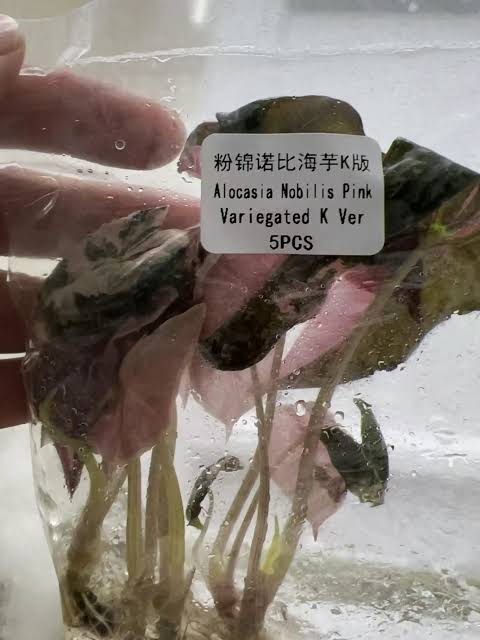
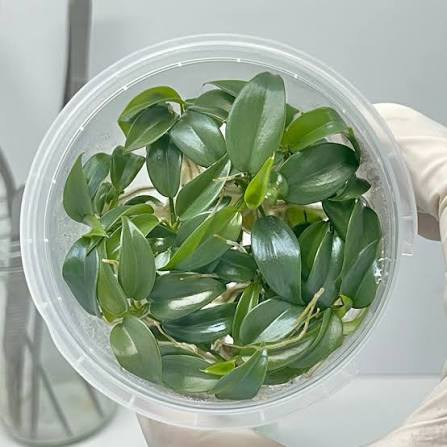
Philodendrons are highly valued in the ornamental plant market because of their attractive foliage, diverse varieties, and suitability for indoor and greenhouse cultivation. From distinctive variegated leaves to large tropical foliage, these plants appeal to collectors, nurseries, and commercial growers. As demand increases, tissue culture has become an important method for producing Philodendrons efficiently and supplying different varieties to the market.
However, not all laboratory-grown plants offer the same quality. Buyers need to evaluate several factors before purchasing to ensure they receive healthy, properly developed, and correctly identified plants. Selecting a high-quality Tissue Culture Philodendron involves examining plant health, root development, variety authenticity, acclimatization, propagation standards, and supplier reliability.
Understanding Tissue Culture Philodendron Quality
Tissue culture, also known as micropropagation, is a propagation technique that produces new plants from small sections of existing plant tissue under sterile laboratory conditions.
The process generally involves selecting suitable parent material, sterilizing explants, establishing cultures, multiplying shoots, developing roots, and transferring young plantlets into growing media.
Plant quality depends on how carefully each stage is managed. Proper laboratory procedures help reduce contamination risks, while suitable acclimatization practices support successful plant establishment.
For buyers, understanding these stages makes it easier to distinguish well-managed planting material from plants that may require additional recovery or care.
1. Check the Overall Health of the Plantlets
<AsyncImage query=”healthy young Philodendron tissue culture plantlets green leaves nursery tray” aspectRatio=”16:9″ width=”100%”/>
Plant health should be one of the first considerations when evaluating tissue culture Philodendrons.
Healthy plantlets generally display fresh foliage, firm stems, and visible signs of active development. Their leaves should not show extensive discoloration, unusual spots, or severe physical damage.
Before purchasing, examine the following characteristics:
- Leaves should appear reasonably firm and healthy.
- Stems should be intact without soft or damaged areas.
- Plantlets should show signs of normal development.
- There should be no obvious fungal growth or unusual discoloration.
- Plants should be free from visible insect infestations.
Some minor leaf variations can occur naturally, especially during acclimatization. However, widespread damage or persistent wilting may indicate problems with plant handling or growing conditions.
2. Evaluate Root Development
<AsyncImage query=”young Philodendron plant with healthy white roots transparent nursery pot” aspectRatio=”16:9″ width=”100%”/>
Root quality is another important indicator when selecting tissue culture Philodendrons.
Healthy roots help plants absorb water and nutrients after transfer into nursery growing media. Well-developed roots also improve the chances of successful establishment during acclimatization.
When inspecting plants, look for roots that are reasonably firm and well distributed. White, cream, or light-colored roots are common in healthy young plants, although root coloration can vary.
Avoid plantlets with extensive dark, mushy, or deteriorating roots because these may indicate root damage or rot.
For plants still inside laboratory containers, ask the supplier about their rooting stage and whether the plantlets are ready for transfer.
3. Confirm Variety Authenticity
<AsyncImage query=”Philodendron Pink Princess White Princess White Knight Birkin ornamental plants collection” aspectRatio=”16:9″ width=”100%”/>
Philodendrons include numerous species, hybrids, and cultivated varieties. Some have similar appearances, making accurate identification important for collectors and commercial buyers.
Popular varieties include:
- Philodendron Pink Princess: Known for its dark foliage and pink variegation.
- Philodendron White Princess: Recognized for green leaves with white or cream-colored patterns.
- Philodendron White Knight: Features attractive white variegation and reddish stems.
- Philodendron Birkin: Appreciated for its distinctive cream-colored leaf stripes.
- Philodendron Gloriosum: Known for large, velvety, heart-shaped leaves.
- Philodendron Melanochrysum: Features elongated, dark foliage with prominent contrasting veins.
Before placing an order, confirm the botanical identification and cultivar name with the supplier.
This is particularly important when purchasing rare or expensive varieties, where incorrect labeling can create problems for collectors and retailers.
4. Examine Leaf Shape, Color, and Variegation
<AsyncImage query=”close up Philodendron White Princess pink princess variegated foliage leaves” aspectRatio=”16:9″ width=”100%”/>
Leaf appearance is one of the main reasons people purchase ornamental Philodendrons.
Buyers should evaluate whether the foliage displays characteristics associated with the selected variety. These may include leaf shape, surface texture, coloration, and variegation patterns.
For variegated varieties, remember that individual plants may display different amounts of white, pink, yellow, or cream coloration.
Not every plant will have identical leaf patterns, even when produced from selected parent material. Genetic variation and environmental factors can influence the final appearance.
For wholesale orders, requesting photographs of representative plants from the actual production batch can help buyers understand what to expect.
5. Understand the Acclimatization Stage
<AsyncImage query=”acclimatized young Philodendron plants growing in small nursery pots greenhouse” aspectRatio=”16:9″ width=”100%”/>
Acclimatization is an essential stage in tissue culture plant production.
Laboratory-grown plantlets initially develop in sealed containers with high humidity and controlled environmental conditions. When removed, they must gradually adjust to normal air circulation, lower humidity, and different lighting conditions.
Buyers should determine whether the plants are:
- Still inside sealed laboratory containers.
- Recently removed from culture containers.
- Undergoing acclimatization in a protected environment.
- Fully established in nursery growing media.
Fully acclimatized plants may be more convenient for buyers who do not have specialized propagation facilities.
However, laboratory-stage plantlets can also be suitable for experienced growers who have the equipment and knowledge needed to complete acclimatization.
6. Review the Laboratory Propagation Standards
The quality of tissue culture plants depends heavily on laboratory procedures.
Reliable propagation facilities follow suitable protocols for sterilization, nutrient preparation, culture maintenance, and plant development.
Important questions to ask include:
- How are parent plants selected?
- What procedures are used to prevent contamination?
- How are culture containers maintained?
- What quality inspections are performed?
- How are plantlets monitored before transfer?
Well-managed laboratory practices help reduce contamination and improve production consistency.
Buyers should also understand that sterile propagation does not automatically guarantee that every plant is completely free from pests or pathogens after leaving the laboratory.
7. Consider Plant Size and Development Stage
<AsyncImage query=”different sizes young Philodendron nursery plantlets in individual pots” aspectRatio=”16:9″ width=”100%”/>
Tissue culture Philodendrons are available at different development stages. Some buyers prefer small plantlets because they are suitable for nursery production, while others want larger plants that are closer to retail readiness.
Plant size should be evaluated alongside root development and overall health.
A small plant with healthy roots and active growth may be a better purchase than a larger plant with damaged roots or weak foliage.
When comparing suppliers, ask for clear information about plantlet size, developmental stage, and growing conditions.
8. Evaluate the Growing Medium
The growing medium influences moisture retention, drainage, and oxygen availability around young roots.
For acclimatized Philodendrons, a loose and well-aerated substrate is generally preferred.
Common growing medium components include:
- Coco coir for moisture retention.
- Perlite for improved drainage.
- Orchid bark for airflow and structure.
- Peat-based materials for moisture management.
- Other suitable horticultural components depending on the growing system.
Buyers should check whether the plantlets are supplied in laboratory media, temporary propagation substrates, or established nursery mixes.
Understanding the growing medium helps prevent problems when transferring plants into new containers.
9. Choose a Supplier with Reliable Production Capabilities
Supplier selection plays an important role in purchasing high-quality tissue culture Philodendrons.
A reliable supplier should provide accurate variety information, clear product specifications, and appropriate handling procedures.
Consider these factors when evaluating a potential supplier:
Experience: Look for suppliers with relevant experience in ornamental plant propagation.
Product range: A wider selection may provide more opportunities to source different Philodendron varieties.
Quality control: Ask about inspection procedures, contamination management, and plant health standards.
Communication: Reliable suppliers should respond clearly to questions about plant varieties, availability, and production conditions.
Order flexibility: Consider whether the supplier can accommodate the required quantities and delivery arrangements.
Customer support: Assistance with plant handling and acclimatization can be valuable, particularly for inexperienced buyers.
10. Check Packaging and Transportation Arrangements
<AsyncImage query=”tissue culture tropical ornamental plantlets professionally packed for international shipping” aspectRatio=”16:9″ width=”100%”/>
Even healthy plants can experience stress during transportation if they are not packed properly.
Tissue culture plantlets are particularly sensitive to physical damage, moisture changes, and unsuitable temperature conditions.
Before ordering, ask the supplier about packaging materials, shipping methods, transit times, and temperature protection.
For international purchases, buyers should also check applicable import regulations, phytosanitary certification requirements, and customs documentation.
Appropriate packaging and shipping arrangements help reduce damage and improve the chances of successful plant establishment after arrival.
11. Compare Pricing with Overall Plant Quality
Price is an important consideration, especially for commercial nurseries purchasing large quantities.
However, selecting the cheapest plants does not always provide the best value.
Buyers should compare prices alongside several quality-related factors:
| Evaluation Factor | What to Check |
|---|---|
| Plant health | Leaf condition and general development |
| Root quality | Root strength and establishment |
| Variety authenticity | Correct identification and labeling |
| Acclimatization | Current growing stage |
| Packaging | Protection during transportation |
| Supplier standards | Propagation and inspection procedures |
| Order quantity | Minimum order requirements |
A slightly higher purchase price may be justified when plants have better root development, reliable identification, and appropriate packaging.
12. Request Samples Before Placing Large Orders
For wholesale buyers, ordering samples can be a useful way to evaluate supplier quality before making a substantial investment.
A sample order allows buyers to inspect actual plants, review packaging, and observe how well the plantlets adapt after delivery.
It also provides an opportunity to assess whether the supplied varieties match the product descriptions.
Before confirming a bulk purchase, consider testing a representative batch under the intended growing conditions.
This approach can help identify potential problems early and reduce the risks associated with large orders.
Common Mistakes to Avoid When Buying Tissue Culture Philodendrons
Even experienced plant buyers can overlook important quality indicators when selecting laboratory-grown plants.
Some common mistakes include:
- Choosing plants based only on attractive photographs.
- Ignoring root development and plant maturity.
- Assuming every variegated plant will have identical leaf patterns.
- Failing to confirm the acclimatization stage.
- Purchasing from suppliers without checking their propagation standards.
- Overlooking packaging and transportation requirements.
- Selecting the lowest price without comparing overall quality.
Careful evaluation helps buyers make more informed purchasing decisions and avoid unnecessary plant losses.
Why High-Quality Tissue Culture Matters for Commercial Nurseries
For commercial nurseries, the quality of incoming plant material affects production efficiency, inventory management, and customer satisfaction.
Healthy and properly identified plantlets are easier to organize into production batches and monitor during cultivation.
Reliable tissue culture supplies can also help nurseries expand their product ranges and respond to demand for popular ornamental varieties.
Businesses such as Young Plants operate in the tissue culture plant market, where propagation quality, product selection, and reliable plant supply are important considerations for wholesale buyers.
Developing a consistent purchasing process helps commercial growers maintain better control over their plant inventories.
Conclusion
Choosing high-quality tissue culture Philodendrons requires careful attention to several factors, including plant health, root development, variety authenticity, leaf characteristics, and acclimatization stage.
Buyers should also evaluate laboratory propagation standards, growing media, supplier reliability, packaging, and pricing before making purchasing decisions.
For plant enthusiasts, these considerations help support successful cultivation and healthy indoor collections. For commercial growers and nurseries, they provide a practical foundation for sourcing reliable planting material and maintaining consistent production quality.
By evaluating plants beyond their appearance and understanding how tissue culture production works, buyers can make better decisions and achieve more successful results when purchasing Philodendrons.