
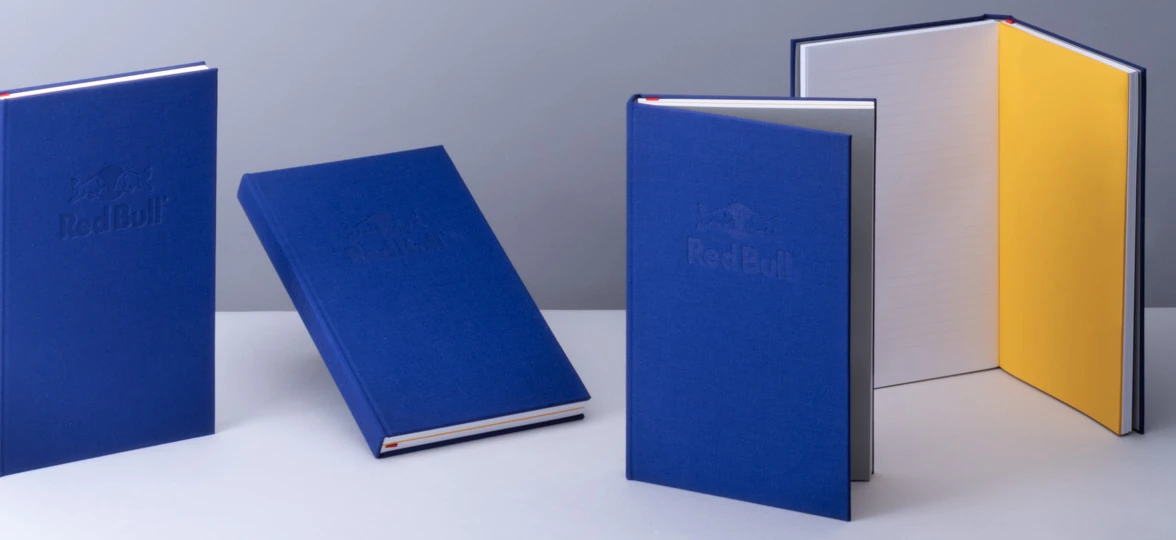
Businesses and organizations regularly need promotional products and practical stationery that support their daily operations while maintaining a professional image. Whether preparing for corporate events, organizing employee welcome kits, or distributing marketing materials, notebooks remain a useful choice. Ordering them in larger quantities can also help organizations maintain consistent designs and manage promotional expenses more efficiently.
Purchasing Custom Notebooks Bulk requires careful consideration of several factors, including product quality, customization options, materials, pricing, and production timelines. A well-planned purchase ensures that every notebook meets the organization’s requirements while providing practical value to recipients. Understanding the ordering process can help businesses make informed decisions and avoid common purchasing mistakes.
Why Businesses Choose Bulk Custom Notebooks
Bulk notebook orders offer several advantages for companies, educational institutions, nonprofit organizations, and event planners. Instead of purchasing stationery individually, organizations can arrange a larger order with consistent specifications and branding.
Some important benefits include:
Cost Efficiency
Ordering notebooks in larger quantities may reduce the cost per unit. Manufacturers can often organize production more efficiently when handling larger batches, which may create savings for businesses.
However, the final price depends on factors such as materials, printing methods, notebook dimensions, and finishing requirements.
Consistent Brand Presentation
Businesses often use notebooks as part of their corporate identity. Ordering multiple units together helps maintain consistency in logo placement, brand colors, cover designs, and internal layouts.
This is particularly important when distributing stationery across different departments, branches, or business events.
Convenient Inventory Management
Organizations that regularly need branded stationery can maintain an inventory of notebooks for future use.
This reduces the need to arrange separate purchases for every meeting, training session, or promotional activity.
Versatile Promotional Opportunities
Custom notebooks can serve different purposes, including corporate gifting, employee stationery, educational programs, conferences, and trade shows.
Their everyday usefulness makes them suitable for audiences across various industries.
Determine Your Notebook Requirements Before Ordering
The first step in planning a bulk purchase is understanding exactly what the organization needs. Having clear specifications makes it easier to compare suppliers and avoid unnecessary design changes.
Identify the Intended Purpose
Consider how the notebooks will be distributed and used.
For example:
- Corporate offices may need professional notebooks for meetings and daily work.
- Educational institutions may require notebooks for students and academic programs.
- Event organizers may want promotional stationery for conference participants.
- Businesses may need customized notebooks for customer appreciation gifts.
- Nonprofit organizations may use branded notebooks for workshops and awareness campaigns.
The intended purpose influences nearly every purchasing decision, from material selection to notebook size.
Estimate the Required Quantity
Determine how many notebooks are needed for the current project and whether additional units should be ordered for future requirements.
Ordering too few may result in additional production expenses later, while ordering excessive quantities can create storage and inventory challenges.
A reasonable estimate should account for the number of recipients, expected distribution, and potential replacements.
Choose the Right Notebook Size and Format
Notebook dimensions affect portability, writing space, and overall convenience. Different formats are suitable for different environments.
Common options include:
A4 notebooks: Provide generous writing space and are useful for detailed notes, training materials, and office documentation.
A5 notebooks: Offer a balance between portability and writing space, making them suitable for meetings, classrooms, and everyday use.
A6 notebooks: Compact and convenient for quick notes, event distribution, and travel.
Organizations can also consider custom dimensions depending on their branding requirements and production capabilities.
Select Suitable Materials and Paper Quality
Materials have a direct impact on notebook durability and user experience. A notebook may look attractive initially, but poor construction can reduce its usefulness over time.
Cover Materials
Common cover options include:
- Cardboard: Lightweight and economical for promotional stationery.
- Hardcover: Provides additional structure and protection.
- Fabric: Offers a distinctive texture and appearance.
- Leather-like materials: Suitable for premium corporate gifts and executive stationery.
- Flexible plastic: Can provide a practical option for notebooks requiring additional surface protection.
The right material depends on the intended audience, budget, and expected frequency of use.
Paper Selection
Paper quality is equally important. Businesses should consider paper thickness, smoothness, brightness, and resistance to ink bleeding.
The internal page layout should also match the intended use.
Lined pages work well for general writing, blank pages support creative activities, and grid or dotted layouts are useful for structured notes and planning.
Explore Customization and Branding Options
Personalization is one of the main reasons organizations choose customized notebooks instead of standard stationery.
A thoughtful design can reinforce brand recognition while making the product more attractive to recipients.
Logo and Artwork Placement
The company logo should be clearly visible and positioned appropriately. Businesses may also include a slogan, website address, or other brand-related graphics where suitable.
It is important to use high-quality artwork files to maintain clarity during printing.
Brand Colors and Typography
Using consistent brand colors helps connect notebooks with other marketing materials. Typography should be readable and appropriate for the organization’s visual identity.
A clean design generally provides a more professional appearance than a cover filled with unnecessary elements.
Interior Page Customization
Businesses can customize internal pages to support specific activities. Options may include:
- Company information or contact details.
- Meeting note sections.
- Monthly calendars.
- Task and project planning pages.
- Training schedules.
- Branded headers and page numbers.
These additions can make notebooks more useful while creating additional opportunities for consistent branding.
Compare Printing and Finishing Techniques
Different production techniques offer different visual effects and levels of customization.
Digital Printing
Digital printing is suitable for detailed graphics, colorful artwork, and projects requiring flexibility in design.
It can be useful when organizations need several design variations or smaller production batches.
Offset Printing
Offset printing is commonly used for larger quantities because it supports consistent printing across multiple copies.
It is suitable for bulk projects where color accuracy and uniformity are important.
Screen Printing
Screen printing can produce bold designs and strong color coverage on suitable notebook surfaces. It is often used for relatively simple graphics and logos.
Premium Finishing Options
Additional finishes can improve the appearance of notebook covers.
Popular choices include:
- Matte lamination for a subtle, non-reflective surface.
- Gloss lamination for brighter colors and a polished look.
- Foil stamping for metallic lettering and logos.
- Embossing for raised design elements.
- Debossing for recessed patterns and text.
Businesses should select finishes according to their budget and desired presentation.
How to Choose a Reliable Bulk Notebook Supplier
Supplier selection can significantly influence the success of a large stationery order. A suitable supplier should be able to understand project requirements and maintain consistent production standards.
Consider the following factors before making a decision.
Manufacturing Experience
Review the supplier’s previous work and experience with customized stationery. Product examples can provide useful information about printing quality, material selection, and overall construction.
Production Capacity
Confirm that the supplier can handle the required quantity within the available timeframe.
It is also useful to ask about minimum order quantities, production schedules, and the ability to accommodate repeat orders.
Quality Control
Ask how notebooks are inspected during production. Important checks include paper quality, logo alignment, printing accuracy, binding strength, and cover finishing.
Communication and Support
A professional supplier should provide clear quotations, explain customization options, and communicate production updates.
Good communication reduces misunderstandings and makes it easier to resolve unexpected issues.
Sample Availability
Whenever possible, request a physical sample before confirming a large order. Inspecting a sample helps determine whether the materials, design, and construction meet expectations.
Understanding Bulk Pricing and Budget Planning
The total cost of a bulk notebook order depends on more than the number of units purchased.
Several factors influence the final quotation:
| Cost factor | What to consider |
|---|---|
| Quantity | Larger orders may reduce the unit price. |
| Materials | Premium covers and thicker paper may increase costs. |
| Printing | Complex designs and multiple colors can affect pricing. |
| Binding | Different binding methods have different production costs. |
| Finishing | Foil stamping, lamination, and embossing may add expenses. |
| Packaging | Individual or customized packaging may increase the total cost. |
| Shipping | Delivery distance and order weight can influence logistics expenses. |
When comparing suppliers, request quotations based on identical specifications. This makes it easier to understand the actual value offered by each option.
Businesses should also reserve some budget for sample production, design adjustments, and unexpected expenses.
Production and Delivery: What Businesses Should Expect
Bulk notebook production generally involves several stages. Understanding this process helps organizations establish realistic expectations and plan distribution schedules.
- Requirement discussion: The organization shares its quantity, design preferences, materials, and intended use.
- Design preparation: Artwork, logo placement, dimensions, and page layouts are finalized.
- Sample approval: A sample is reviewed to confirm quality and specifications.
- Production: The manufacturer begins printing, binding, and assembling the notebooks.
- Quality inspection: Finished products are checked for defects and consistency.
- Packaging and delivery: Approved notebooks are packed and dispatched to the specified location.
Businesses should confirm the estimated completion date before approving production, especially when notebooks are required for scheduled events.
Common Mistakes to Avoid When Ordering Notebooks in Bulk
A few purchasing mistakes can affect product quality, budget, and delivery schedules.
Avoid the following issues:
- Choosing a supplier based only on the lowest quotation.
- Ordering large quantities without reviewing a sample.
- Providing low-resolution logos or incomplete design files.
- Ignoring paper thickness and binding quality.
- Selecting inappropriate notebook sizes.
- Failing to confirm production timelines.
- Overlooking packaging and transportation expenses.
- Ordering more inventory than the organization can reasonably use.
Clear specifications and proper planning can prevent many of these problems.
Tips for Managing Bulk Notebook Orders Successfully
A successful bulk purchase requires coordination between the purchasing team, design department, and supplier.
Keep all approved specifications in writing, including dimensions, materials, printing details, quantity, and delivery arrangements.
Assigning one person to communicate with the supplier can also help maintain consistency throughout the project.
For organizations that order notebooks regularly, documenting previous specifications makes repeat purchases easier and reduces the time required for future planning.
Conclusion
Ordering customized notebooks in bulk can be a practical way for businesses and organizations to manage stationery requirements while supporting their branding objectives. However, successful purchasing depends on selecting appropriate materials, defining clear specifications, comparing suppliers, and maintaining realistic production expectations.
By evaluating product quality, customization options, pricing, and delivery arrangements before placing an order, organizations can reduce purchasing risks and achieve better results. Well-planned bulk notebook orders provide useful stationery, consistent brand presentation, and long-term value for employees, customers, students, and event participants.