


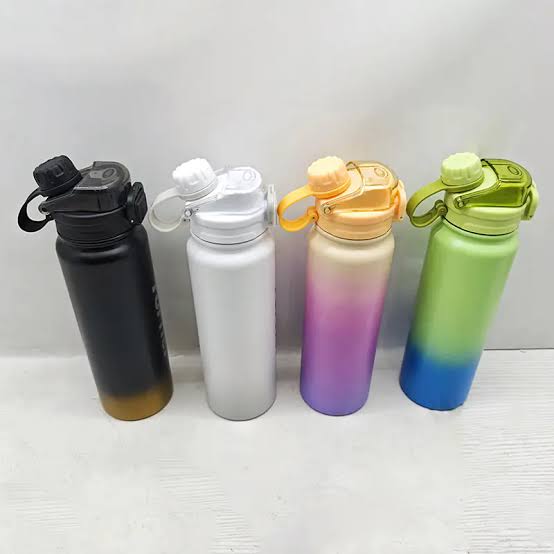
Custom packaging has become an important part of the drinkware industry because it helps businesses protect products, strengthen brand recognition, and create a better customer experience. Whether a company sells reusable water bottles, insulated tumblers, travel mugs, or glass cups, suitable packaging can influence how products are presented, transported, and received by customers.
Choosing a reliable Drinkware Supplier that offers custom packaging solutions requires careful evaluation. Businesses need to consider more than product quality and pricing. Packaging materials, customization options, printing capabilities, minimum order quantities, and delivery arrangements can all affect the success of a sourcing project. Understanding these factors makes it easier to select a supplier that can support both product and packaging requirements.
1. Identify Your Custom Packaging Requirements
Before contacting potential suppliers, businesses should define what they expect from their packaging. Different drinkware products and customer groups may require different packaging styles.
For example, a premium insulated tumbler may need an attractive individual box, while a wholesale order of standard water bottles may require simple protective cartons for efficient transportation.
Consider the following requirements:
- Individual product packaging.
- Retail display boxes.
- Gift boxes and presentation packaging.
- Custom printed cartons.
- Protective packaging for fragile drinkware.
- Bulk packaging for wholesale distribution.
- Branded inserts and product information cards.
Having clear requirements helps suppliers recommend suitable packaging materials and production methods.
2. Evaluate the Supplier’s Packaging Customization Options
Not every drinkware supplier provides the same level of packaging customization. Some may offer basic logo printing, while others can support complete packaging development.
Businesses should ask potential suppliers which customization options are available.
These may include:
- Custom box dimensions.
- Printed logos and brand graphics.
- Different packaging colors.
- Custom product inserts.
- Window packaging.
- Branded labels and stickers.
- Customized gift packaging.
It is also important to determine whether packaging can be adjusted for different drinkware models. A supplier with flexible customization capabilities may make it easier to maintain consistent branding across several product categories.
3. Check Packaging Material Quality
Packaging should protect drinkware throughout storage, handling, and transportation. Attractive designs are useful, but materials must also provide sufficient strength and protection.
The appropriate material depends on the product’s weight, shape, fragility, and intended distribution method.
Common packaging materials include:
Corrugated Cardboard: Suitable for shipping cartons because it provides structural support and can help protect products during transportation.
Rigid Paperboard: Often used for premium retail boxes and gift packaging because of its firm structure and polished appearance.
Kraft Paper: A popular option for businesses seeking a simple paper-based packaging style.
Molded Pulp Inserts: Can help hold products in position and reduce movement inside packaging.
Protective Foam: May be used where additional cushioning is required, depending on product specifications and environmental considerations.
Businesses should request packaging samples when possible to evaluate material strength, construction, and overall presentation.
4. Review Printing and Branding Capabilities
Custom packaging is an opportunity to communicate brand identity before customers even use the product.
A supplier’s printing capabilities can influence the appearance and consistency of branded packaging. Buyers should ask about available printing techniques, color matching, artwork requirements, and print quality control.
Common printing options include:
- Offset printing.
- Digital printing.
- Screen printing.
- Flexographic printing.
- Foil stamping.
- Embossing and debossing.
Not every technique is appropriate for every packaging material or order quantity. Businesses should discuss their design, budget, and expected production volume before selecting a method.
It is also useful to request a digital proof or physical sample before approving full production.
5. Ask About Minimum Order Quantities
Custom packaging often involves setup costs, printing preparation, and material purchasing. As a result, suppliers may establish minimum order quantities for customized boxes and other packaging components.
These requirements can influence the total cost of a sourcing project.
Small businesses may prefer suppliers that offer flexible quantities, while large retailers and distributors may be able to purchase packaging in higher volumes.
Before placing an order, confirm:
- Minimum quantities for custom packaging.
- Whether different drinkware models can share packaging designs.
- Costs for smaller production runs.
- Additional charges for customized inserts.
- Whether packaging can be reordered separately.
- Pricing differences at higher quantities.
Understanding these conditions helps businesses plan purchases according to their sales volume and available budget.
6. Compare Packaging Costs and Overall Value
Custom packaging can increase the total cost of a drinkware order, but the cheapest option is not always the most economical.
Low-quality packaging may result in damaged products, customer complaints, and additional replacement expenses. On the other hand, unnecessarily elaborate packaging can reduce profit margins without providing meaningful benefits.
When comparing suppliers, review the complete cost structure.
Important cost factors include:
- Packaging material selection.
- Printing techniques.
- Design and setup fees.
- Custom inserts and accessories.
- Packaging assembly.
- Order quantity.
- Shipping volume and weight.
Businesses should compare the quality and features included in each quotation rather than focusing only on the unit price.
7. Confirm That Packaging Fits the Drinkware Products
Proper product fit is essential for effective packaging. Boxes that are too large may allow products to move during transportation, while packaging that is too small can create pressure on the product or its components.
This is particularly important for glass bottles, ceramic mugs, and drinkware with unusual shapes.
Ask suppliers whether they can provide packaging designed around the exact product dimensions.
A suitable packaging design should:
- Hold the product securely.
- Protect vulnerable areas.
- Allow easy insertion and removal.
- Accommodate lids, straws, and accessories.
- Maintain a neat retail presentation.
- Support efficient carton packing.
Testing the packaging with the actual drinkware product can help identify fit problems before mass production.
8. Examine Product Protection During Shipping
Custom packaging should consider both presentation and transportation requirements.
Drinkware may pass through several stages of handling before reaching its final destination. Products can experience vibration, stacking pressure, impact, and repeated movement during shipping.
Suppliers should explain how their packaging protects products during domestic or international transportation.
For fragile drinkware, businesses may require individual protective inserts or additional cushioning. For stainless steel bottles and tumblers, packaging should help prevent scratches, dents, and surface damage.
Where practical, buyers can request packaging samples and conduct drop or handling tests based on the expected shipping conditions.
9. Evaluate the Supplier’s Design Support
Some businesses already have completed packaging artwork, while others need assistance developing a suitable design.
A supplier that offers packaging design support can help buyers translate brand requirements into practical packaging specifications.
Before selecting a supplier, ask whether its team can assist with:
- Packaging layout development.
- Logo placement.
- Artwork preparation.
- Color selection.
- Box dimensions.
- Product inserts.
- Print-ready file checks.
It is also important to establish who owns the final artwork and whether design files can be reused for future orders.
Clear communication during the design stage reduces the risk of printing errors and production delays.
10. Request Samples Before Confirming Large Orders
Packaging samples allow buyers to evaluate the actual product rather than relying entirely on digital images or descriptions.
A sample can reveal issues that may not be obvious during the design process, such as weak box construction, incorrect dimensions, poor color reproduction, or insufficient product protection.
When reviewing samples, check:
- Material thickness and durability.
- Printing clarity and color accuracy.
- Product fit and insert design.
- Ease of opening and closing.
- Packaging appearance.
- Protection during handling.
- Accuracy of logos and product information.
For customized drinkware orders, it is helpful to evaluate the product and its packaging together before approving full production.
11. Understand Production Lead Times
Custom packaging may require additional time for artwork approval, material preparation, printing, cutting, assembly, and quality inspection.
These steps can affect the overall delivery schedule.
Businesses should ask suppliers for separate estimates covering product manufacturing and packaging production.
Important questions include:
- How long does packaging design approval take?
- Are samples available before mass production?
- How much time is required for printing?
- Can packaging and drinkware be produced simultaneously?
- What happens if artwork needs revisions?
- How are production delays communicated?
A clear production schedule helps businesses coordinate product launches, promotional campaigns, and seasonal sales.
12. Check Quality Control Procedures
Quality control should cover both the drinkware itself and its packaging.
Even well-designed packaging can create problems if dimensions are inconsistent, printing is unclear, or inserts do not hold products properly.
Ask suppliers how they inspect packaging during production and before shipment.
Useful quality checks include:
- Packaging dimensions.
- Material consistency.
- Print alignment.
- Color accuracy.
- Box strength.
- Insert positioning.
- Logo and text accuracy.
- Final packaging appearance.
Businesses should also agree on acceptable quality standards before production begins. Clear specifications make it easier to identify and resolve problems.
13. Consider Sustainable Packaging Options
Environmental considerations are becoming increasingly important for brands and consumers. Businesses may prefer packaging materials that reduce unnecessary waste and support responsible resource use.
Depending on product protection and market requirements, possible options include recyclable paperboard, corrugated cardboard, molded pulp, and appropriately sourced paper materials.
However, sustainability claims should be supported by reliable information. Buyers should ask suppliers about material composition, recyclability, recycled content, and relevant certifications where applicable.
A balanced packaging strategy should consider environmental impact without compromising product safety or transportation protection.
14. Review Communication and Customer Support
Custom packaging projects often involve several rounds of discussion and approval. Reliable communication is therefore essential.
Suppliers should be able to explain packaging options, provide accurate quotations, share production updates, and respond to questions about design or quality.
During the evaluation process, consider whether the supplier:
- Responds clearly to technical questions.
- Provides detailed quotations.
- Explains customization limitations.
- Shares realistic production schedules.
- Communicates design revisions.
- Offers support when packaging issues arise.
Good communication helps prevent misunderstandings and makes long-term cooperation easier.
15. Compare Suppliers Before Making a Final Decision
Before selecting a supplier, businesses should compare several important factors rather than relying on a single quotation.
A simple evaluation table can make the decision more organized.
| Evaluation Factor | What to Check |
|---|---|
| Customization options | Available packaging styles and branding methods |
| Material quality | Strength, appearance, and product protection |
| Design support | Artwork assistance and sample development |
| Minimum order quantity | Flexibility for different business sizes |
| Pricing | Complete packaging and production costs |
| Lead time | Sample approval and production schedules |
| Quality control | Inspection procedures and consistency |
| Communication | Responsiveness and order coordination |
The best choice should provide a suitable balance of packaging quality, customization flexibility, cost, and production reliability.
Conclusion
Finding a drinkware supplier that offers custom packaging solutions requires careful attention to both product requirements and branding goals. Businesses should evaluate material quality, printing capabilities, minimum order quantities, design support, product protection, production lead times, and quality control before placing large orders.
Custom packaging can improve product presentation, strengthen brand recognition, and help protect drinkware throughout the distribution process. However, its success depends on selecting materials and designs that match the product, target market, and shipping conditions.
By requesting samples, comparing supplier capabilities, and communicating packaging specifications clearly, businesses can make more informed sourcing decisions. A well-chosen supplier can support consistent product presentation and help businesses build a more reliable drinkware supply operation.