


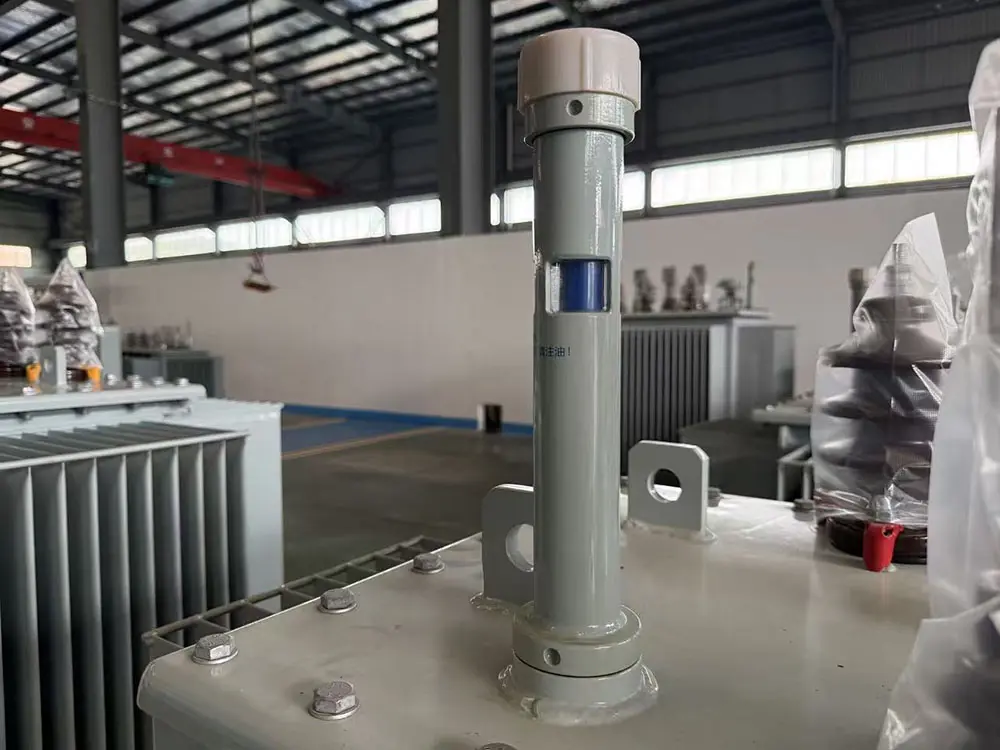
Electricity must travel through a complex network of generating stations, transmission lines, substations, and distribution systems before reaching homes, businesses, and industrial facilities. Throughout this process, voltage levels need to be adjusted to support efficient power transfer and safe delivery. Transformers make these changes possible and play a central role in maintaining the stability of modern electrical networks.
A Main Power Transformer is a critical component in this infrastructure, helping transfer electrical energy between different voltage levels while supporting the capacity and performance of the power system. Its operation influences transmission efficiency, network reliability, and the ability of utilities to meet changing electricity demands. Understanding its functions, design, and maintenance requirements helps explain why this equipment is essential to dependable power delivery.
What Is a Main Power Transformer?
A main power transformer is a high-capacity electrical device used to transfer energy between circuits through electromagnetic induction. It changes alternating current voltage from one level to another while maintaining the same frequency.
These transformers are commonly installed at power plants, transmission substations, and major distribution facilities. Their capacity and voltage ratings depend on the requirements of the electrical network they serve.
Unlike smaller distribution transformers that supply individual neighborhoods or facilities, main power transformers generally handle larger amounts of electrical power. They connect important sections of the grid and help ensure electricity can move efficiently from generation sources toward end users.
The Role of Main Power Transformers in Electricity Transmission
Electricity transmission involves moving large quantities of power over long distances. Without suitable voltage transformation, transferring this energy efficiently would be difficult because lower transmission voltages generally result in higher current for the same power level.
Main power transformers help address this challenge by adjusting voltage according to the needs of different parts of the electrical network.
Increasing Voltage for Long-Distance Transmission
At power generation facilities, electricity is produced at a voltage determined by the generator’s design. Before entering high-voltage transmission lines, the voltage is typically increased through step-up transformers.
Raising the voltage reduces the current required to transmit a given amount of power. This helps minimize resistive losses in transmission conductors and supports more efficient long-distance electricity delivery.
Connecting Different Network Voltage Levels
Electrical networks operate at several voltage levels to meet different transmission and distribution requirements. Main power transformers connect these network sections by converting electricity from one voltage level to another.
This allows generating stations, transmission substations, and regional distribution networks to operate as interconnected parts of a larger system.
Supporting Substation Operations
Substations use transformers alongside circuit breakers, disconnect switches, protection relays, and other equipment. Main transformers provide the voltage conversion required for power to move between connected network sections.
Their performance is therefore closely linked to the overall operation of a substation.
How Main Power Transformers Support Electricity Distribution
After electricity travels through transmission networks, its voltage must be reduced before it can enter regional and local distribution systems.
Main power transformers perform important voltage reduction functions at major substations.
Reducing Transmission Voltage
Step-down transformation allows electricity to move from high-voltage transmission networks into lower-voltage subtransmission or distribution systems.
This makes the electricity suitable for further distribution through regional infrastructure.
Supplying Regional Distribution Networks
Large substations often serve multiple feeders or distribution areas. Their main transformers help deliver the required power to these networks while supporting changing load conditions.
The available transformer capacity must be sufficient to meet demand without exceeding safe operating limits.
Supporting Industrial and Commercial Loads
Large industrial facilities and commercial developments may require substantial electrical capacity. Main power transformers can help supply these loads at the voltage levels specified by the electrical system design.
Proper sizing and configuration are essential for reliable operation.
Main Components of a Main Power Transformer
A main power transformer contains several interconnected components that work together to transfer electrical energy and manage operating conditions.
Core
The magnetic core provides a controlled path for the magnetic flux generated during operation. It is typically constructed from laminated electrical steel designed to reduce energy losses caused by eddy currents.
Core design has an important influence on transformer efficiency and performance.
Primary and Secondary Windings
The windings are conductive coils placed around the core. The primary winding receives electrical energy, while the secondary winding delivers energy at the transformed voltage.
The turns ratio between these windings determines the voltage relationship.
Insulation System
Insulation separates energized components from one another and from grounded structures. It is essential for preventing electrical breakdown and maintaining safe operating conditions.
Depending on the design, insulation materials may include solid insulation, insulating oil, or other approved dielectric materials.
Transformer Tank
The tank houses and protects the active transformer components. In oil-filled transformers, it also contains the insulating and cooling liquid.
The tank must be designed to withstand operating conditions and protect internal components from environmental exposure.
Cooling System
Transformers generate heat due to electrical and magnetic losses. Cooling systems remove this heat to maintain suitable operating temperatures.
Depending on the rating and design, cooling arrangements may use natural oil circulation, forced oil circulation, air cooling, or combinations of these methods.
Tap Changer
A tap changer adjusts the effective turns ratio to regulate the output voltage. Depending on the transformer design, adjustment may take place while the transformer is energized or only when it is disconnected from the supply.
This feature helps manage voltage variations caused by changing network conditions.
Different Types of Main Power Transformers
Main power transformers are designed for specific network applications. Their construction and operating characteristics vary according to voltage, capacity, installation environment, and electrical requirements.
Step-Up Power Transformers
Step-up transformers increase voltage from generator levels to higher transmission levels. They are commonly installed at generating stations to prepare electricity for long-distance transmission.
Step-Down Power Transformers
Step-down transformers reduce voltage at transmission and distribution substations. They make electricity suitable for regional networks and subsequent distribution.
Three-Phase Power Transformers
Three-phase transformers are widely used in modern transmission and distribution systems because most large electrical networks operate using three-phase power.
They provide efficient transformation for substantial power loads and are commonly installed at major substations.
Oil-Immersed Power Transformers
Oil-immersed transformers use insulating liquid for electrical insulation and heat transfer. They are widely applied in high-capacity installations where effective cooling and insulation are required.
Their performance depends on suitable oil quality, sealing, cooling arrangements, and maintenance.
Key Factors That Influence Transformer Reliability
A main power transformer must operate under varying electrical and environmental conditions. Several factors influence its ability to provide dependable service over an extended period.
Load Management
Operating a transformer within its rated capacity helps control temperature rise and reduce excessive stress on its insulation system.
Utilities must monitor demand patterns and consider peak loading when planning transformer capacity.
Temperature Control
Excessive heat accelerates insulation aging and can shorten transformer service life. An effective cooling arrangement helps maintain suitable operating temperatures under normal and demanding conditions.
Voltage Regulation
Network voltage can fluctuate as loads change. Tap changers and other voltage control arrangements help maintain output voltage within the required operating range.
Insulation Condition
The insulation system gradually ages due to temperature, moisture, electrical stress, and other operating influences. Monitoring insulation condition helps identify potential problems before they lead to major failures.
Protection Coordination
Protective devices help detect abnormal operating conditions, including internal faults, overcurrent, and other electrical disturbances. Proper coordination helps isolate faults while limiting unnecessary interruptions to the wider network.
Common Applications Across the Power Industry
Main power transformers support a wide range of electricity infrastructure projects.
Power generation plants: Step-up transformers connect generators to high-voltage transmission networks.
Transmission substations: These installations use main transformers to connect different voltage levels and transfer large amounts of electrical power.
Distribution substations: Step-down transformers supply regional distribution networks and help deliver electricity to local service areas.
Industrial facilities: Large manufacturing plants and processing facilities use high-capacity transformers to meet substantial electrical requirements.
Renewable energy projects: Solar and wind power installations use transformers to adjust generated voltage for connection to collection systems and the wider electricity grid.
Infrastructure developments: Railways, commercial complexes, water treatment facilities, and other major projects may require main transformer installations to support their electrical supply systems.
Maintenance Practices That Help Extend Transformer Service Life
Because main power transformers are expensive and important network assets, planned maintenance is essential. A structured maintenance program can identify developing problems and reduce the risk of unexpected outages.
Routine Visual Inspections
Technicians should inspect the transformer tank, bushings, radiators, cooling equipment, connections, and associated accessories for signs of leakage, corrosion, damage, or abnormal conditions.
Insulating Oil Testing
For oil-filled transformers, oil testing helps evaluate dielectric strength, moisture content, acidity, and other properties.
Dissolved gas analysis can also help identify certain developing internal faults by examining gases present in the insulating oil.
Temperature and Load Monitoring
Monitoring operating temperature, current, and loading helps identify conditions that may place excessive stress on transformer components.
Historical operating data can also support maintenance planning.
Electrical Testing
Depending on the maintenance schedule and equipment condition, tests may include winding resistance measurements, insulation resistance tests, turns ratio tests, and other diagnostic procedures.
These checks help assess the electrical condition of the transformer.
Cooling System Inspection
Fans, pumps, radiators, and control devices should be checked to ensure that the cooling system operates as intended.
Any failure in cooling equipment can increase operating temperatures and place additional stress on insulation.
Challenges in Main Power Transformer Operation
Despite their importance, main power transformers face several operating challenges that can affect network performance.
Increasing electricity demand may place additional pressure on existing transformer capacity. Extreme temperatures can affect cooling performance, while moisture and insulation deterioration can increase the risk of internal faults.
Short circuits, switching operations, lightning-related surges, and other electrical disturbances may also expose transformers to significant stress.
In addition, replacing a large transformer can involve complicated transportation, site preparation, and installation work. Utilities therefore benefit from careful asset planning, condition monitoring, and emergency response arrangements.
The Importance of Selecting the Right Transformer
Choosing a suitable main power transformer requires a detailed understanding of the electrical network and the intended application.
Important selection considerations include:
- Rated power capacity and expected load profile.
- Primary and secondary voltage requirements.
- Frequency and phase configuration.
- Impedance and short-circuit withstand capability.
- Cooling method and insulation design.
- Installation location and environmental conditions.
- Protection, monitoring, and control requirements.
- Applicable electrical standards and testing specifications.
A properly specified transformer is more likely to meet operational requirements, support efficient energy transfer, and provide dependable service throughout its intended operating life.
Conclusion
Main power transformers are essential to reliable electricity transmission and distribution. By increasing or reducing voltage at the appropriate stages, they help minimize transmission losses, connect different sections of the electrical grid, and deliver power to regional networks and major consumers.
Their reliability depends on sound engineering, suitable equipment selection, effective cooling, coordinated protection, and regular condition monitoring. As electricity demand grows and power networks become more complex, well-designed and properly maintained main power transformers will remain vital to stable and efficient electricity supply.