


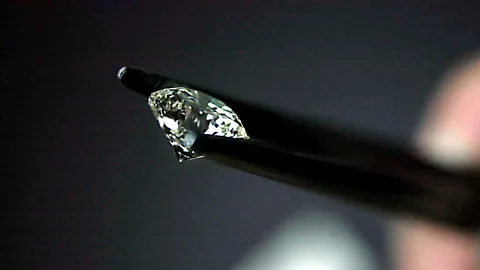
The diamond industry has changed considerably with the growing acceptance of laboratory-grown diamonds. Jewelry retailers, wholesalers, designers, and individual buyers now have more options when sourcing genuine diamonds for different purposes. As the market expands, many businesses are reconsidering traditional purchasing channels and exploring direct relationships with manufacturers.
Buying directly from a Lab Grown Diamond Manufacturer can offer several practical advantages, including better pricing opportunities, access to product specifications, greater customization flexibility, and improved communication. However, the actual benefits depend on the manufacturer’s capabilities, business policies, and quality standards. Understanding these advantages can help buyers make more informed sourcing decisions.
1. More Competitive Wholesale Pricing
One of the main reasons buyers consider purchasing directly from manufacturers is the opportunity to reduce additional costs associated with multiple distribution stages.
Traditional diamond supply chains may involve manufacturers, distributors, wholesalers, and retailers. Each intermediary can add operational expenses and profit margins to the final price.
Direct purchasing may reduce some of these additional costs, allowing businesses to negotiate pricing based on product specifications and order quantities.
For wholesale buyers, this can create opportunities to:
- Improve purchasing cost management.
- Negotiate prices for larger orders.
- Develop more competitive retail offerings.
- Allocate budgets across different diamond categories.
- Build more predictable sourcing strategies.
However, direct purchasing does not automatically guarantee the lowest price. Buyers should compare complete quotations and ensure that diamond quality, grading, shipping, and other terms are equivalent.
2. Better Access to Diamond Specifications
Buying directly from a manufacturer can make it easier to obtain detailed information about available diamonds.
Manufacturers are closely involved in production and quality inspection, so they may be able to provide useful information about diamond characteristics, growth methods, cutting specifications, and finishing standards.
This direct access is particularly valuable for businesses that require diamonds within specific quality ranges.
Buyers can discuss important characteristics such as:
- Carat weight and physical measurements.
- Color and clarity grades.
- Diamond shapes and cutting styles.
- Polish and symmetry.
- HPHT or CVD production methods.
- Available grading reports and documentation.
Having clear specifications helps reduce confusion and makes it easier to select products that match business requirements.
3. Greater Customization Opportunities
Another important advantage of working directly with a manufacturer is the potential for customized product requirements.
Jewelry businesses often have specific preferences based on their target customers and collection designs. Some may require particular diamond shapes, while others focus on specific carat weights or quality combinations.
Direct communication with manufacturers can simplify discussions about these requirements.
Common customization options may include:
- Round, oval, pear, emerald, and cushion shapes.
- Different carat weights and dimensions.
- Various color and clarity grades.
- Specific cutting and finishing requirements.
- Customized diamond selections for jewelry collections.
This flexibility can help retailers and designers develop distinctive products rather than relying entirely on standard inventory.
4. More Direct Communication
Clear communication is essential when purchasing diamonds, especially for wholesale transactions involving multiple specifications.
When buyers work directly with manufacturers, they can communicate their requirements without depending on several intermediaries.
This can make it easier to discuss product availability, technical details, order quantities, and delivery expectations.
Direct communication also helps resolve questions more efficiently. For example, if a buyer needs clarification about a diamond’s measurements or grading documentation, the manufacturing team may be able to provide more specific information.
A strong communication process can reduce misunderstandings and create a more organized purchasing experience.
5. Improved Quality Control and Product Consistency
Product consistency is especially important for jewelry retailers and wholesalers who purchase diamonds regularly.
Manufacturers typically have quality inspection procedures throughout the production process. These may involve checking dimensions, cutting accuracy, polish, symmetry, and other relevant characteristics.
Buying directly can provide an opportunity to discuss these procedures and establish clear quality expectations before placing an order.
For businesses purchasing multiple diamonds, consistent specifications can help maintain uniformity across collections.
However, buyers should not assume that direct purchasing automatically ensures superior quality. Requesting samples, reviewing grading reports, and confirming inspection standards remain important steps.
6. Better Inventory Planning and Product Availability
Inventory management can be challenging for jewelry businesses, particularly when customer demand changes frequently.
Working directly with a manufacturer may improve communication about production schedules, available inventory, and future supply requirements.
This can help businesses plan purchases more effectively and reduce unnecessary stock shortages.
For example, a jewelry retailer preparing for a seasonal collection may need specific diamond shapes and sizes in larger quantities. Direct discussions with the manufacturer can help establish realistic availability and delivery expectations.
Better coordination can also support repeat purchasing and long-term inventory planning.
7. Access to Both HPHT and CVD Diamond Options
Lab grown diamonds are primarily produced using two manufacturing technologies: High Pressure High Temperature (HPHT) and Chemical Vapor Deposition (CVD).
Each process uses different methods to create diamond crystals under controlled conditions.
HPHT Diamonds
HPHT manufacturing recreates conditions associated with natural diamond formation through extremely high pressure and temperature. Carbon crystallizes around a diamond seed, gradually producing a larger crystal.
CVD Diamonds
CVD manufacturing uses carbon-containing gases inside a specialized chamber. Activated carbon atoms deposit onto a diamond seed in successive layers, allowing the crystal to grow over time.
A manufacturer working with these technologies may offer buyers access to different production options and diamond characteristics.
Understanding the available methods can help businesses select products according to their quality requirements and purchasing preferences.
8. Easier Access to Product Documentation
Proper documentation is important when purchasing diamonds for resale or jewelry manufacturing.
Direct relationships with manufacturers can make it easier to request information about product specifications, quality inspection, and available independent grading reports.
Depending on the diamond and supplier, documentation may include:
- Diamond measurements and weight.
- Color and clarity information.
- Cutting and finishing details.
- Laboratory-grown origin disclosure.
- Independent gemological grading reports, where available.
Buyers should always clarify which documents are included with an order. Independent grading reports should also be verified through the issuing laboratory whenever possible.
Accurate documentation helps businesses maintain transparent product information and communicate confidently with their customers.
9. Stronger Opportunities for Long-Term Business Partnerships
Direct purchasing can create opportunities to develop lasting relationships with manufacturing partners.
As manufacturers become familiar with a buyer’s product requirements, communication and order coordination may become more efficient.
Long-term partnerships can offer several practical advantages:
- More consistent understanding of product specifications.
- Better coordination of repeat orders.
- Easier discussion of customized requirements.
- Improved production and delivery planning.
- More efficient resolution of order-related concerns.
However, a successful partnership requires mutual trust, clear agreements, and regular evaluation of supplier performance.
Businesses should assess manufacturers based on actual product quality and service rather than relying only on promises made during initial discussions.
10. Greater Flexibility for Growing Jewelry Businesses
Direct manufacturer relationships can be particularly useful for businesses planning to expand their product ranges.
A retailer may initially focus on engagement rings but later introduce diamond earrings, necklaces, bracelets, or customized collections.
Working with a manufacturer that offers different diamond categories can make this expansion easier.
It may also help businesses experiment with new designs and price segments without depending entirely on the inventory available through traditional distributors.
This flexibility can support product development and help jewelry brands respond to changing customer preferences.
Things to Consider Before Buying Directly
Although direct purchasing offers several advantages, it is not suitable for every buyer or every transaction. Some manufacturers have minimum order requirements, while others may specialize in particular diamond categories.
Before placing an order, consider the following factors:
Manufacturing experience: Review the supplier’s production capabilities and experience with lab grown diamonds.
Quality standards: Ask about internal inspection procedures and the specifications used to evaluate finished stones.
Samples: Request samples or examine individual diamonds before committing to larger purchases.
Pricing transparency: Confirm whether quotations include grading reports, packaging, shipping, and other applicable costs.
Payment terms: Understand deposits, payment schedules, cancellation conditions, and refund policies.
Delivery arrangements: Confirm estimated production times, shipping methods, insurance, and tracking options.
Customer support: Evaluate how effectively the manufacturer responds to questions and handles potential problems.
Taking these precautions can help buyers avoid unnecessary complications and establish realistic expectations.
Direct Manufacturer vs. Traditional Distributor
Both purchasing channels have advantages, and the right choice depends on the buyer’s business model.
| Factor | Direct Manufacturer | Traditional Distributor |
|---|---|---|
| Pricing | May offer fewer intermediary costs | May include additional margins |
| Customization | Often provides more direct discussions | Depends on available services |
| Product information | Direct access to manufacturing details | Information passes through the distributor |
| Order quantities | May have minimum requirements | May offer smaller purchasing options |
| Communication | Direct contact with production teams | Contact through the distributor |
| Product availability | Depends on manufacturing capacity | Depends on existing inventory |
For businesses with regular purchasing needs, direct sourcing may provide greater control over specifications and supply arrangements. Smaller retailers or occasional buyers may find distributors more convenient when they need ready-to-ship products in limited quantities.
Conclusion
Buying directly from a lab grown diamond manufacturer can offer several benefits, including competitive pricing opportunities, improved access to product information, customization flexibility, and stronger communication. It can also help wholesale buyers coordinate inventory requirements and develop long-term manufacturing relationships.
However, selecting the right supplier remains essential. Buyers should carefully evaluate production capabilities, quality control, documentation, pricing, and delivery arrangements before making purchasing commitments.
By focusing on these factors, jewelry businesses can make more informed sourcing decisions, manage their purchasing requirements effectively, and build reliable partnerships in the growing lab grown diamond industry.