


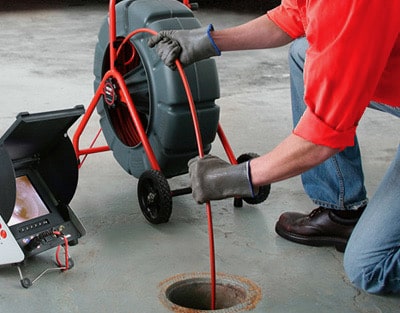
Plumbing systems play an essential role in residential, commercial, and industrial properties. They transport clean water, remove wastewater, and support everyday activities. However, pipes can gradually accumulate grease, mineral deposits, hair, sludge, and other debris that restrict water flow. When these materials are not removed, minor drainage issues can develop into serious plumbing problems that require expensive repairs.
Regular cleaning is an important part of preventing these issues. Using suitable professional equipment helps remove stubborn buildup, maintain drainage performance, and extend the service life of plumbing infrastructure.
Understanding Pipe Cleaning Machines
Pipe cleaning machines are specialized tools designed to remove obstructions and deposits from the interior of plumbing and drainage lines. Depending on their design, they may use mechanical cables, rotating cutting heads, or high-pressure water to clean pipes.
Different machines serve different purposes. Compact mechanical cleaners are often used for household drains, while larger water jetting systems are designed for demanding commercial, industrial, and municipal applications.
A suitable Pipe Cleaning Machine allows maintenance professionals to address blockages more efficiently by selecting a cleaning method that matches the pipe dimensions, material, and type of accumulated waste. This helps improve cleaning results while reducing the need for unnecessary invasive work.
Common Causes of Pipe Blockages
Understanding what causes drainage problems makes it easier to establish an effective maintenance routine.
Grease and Oil Accumulation
Cooking oils, fats, and grease can enter kitchen drainage systems and gradually stick to pipe walls. As these substances cool, they may form thick deposits that restrict wastewater movement. Commercial kitchens are particularly vulnerable because of their frequent food preparation activities.
Hair and Soap Residue
Bathroom drains commonly collect hair, soap residue, and personal care products. These materials can combine into dense obstructions that slow drainage and cause unpleasant odors.
Mineral Deposits
Hard water contains dissolved minerals that can gradually accumulate inside pipes. Over time, these deposits may narrow the internal passage and affect water flow.
Sediment and Foreign Objects
Soil, sand, construction debris, and objects accidentally entering drainage lines can contribute to blockages. Outdoor pipes may also collect leaves and other organic materials.
How Pipe Cleaning Machines Improve Maintenance
Professional cleaning equipment helps maintenance teams manage drainage systems before accumulated waste causes major disruptions.
1. Removing Stubborn Deposits
Basic cleaning tools may clear a small opening through a blockage without removing all the material attached to the pipe walls. Specialized machines can provide a more thorough cleaning approach.
Mechanical equipment breaks apart certain obstructions using rotating cables or cutting attachments. High-pressure water jetting systems use directed water streams to loosen grease, sludge, and sediment before flushing the material through the drainage line.
The appropriate method depends on the type of blockage and the condition of the pipe.
2. Restoring Efficient Water Flow
Accumulated debris reduces the space available for water and wastewater to pass through. This can cause slow drains, backups, and increased strain on plumbing systems.
Removing the obstruction helps restore normal drainage capacity. In commercial facilities, maintaining efficient water flow is especially important because plumbing interruptions can affect employees, customers, and daily operations.
3. Reducing Recurring Blockages
Repeated drainage problems often occur when residue remains inside the pipe after an incomplete cleaning. This leftover material can attract additional debris and gradually form another obstruction.
Thorough cleaning helps remove more of the accumulated buildup, reducing the conditions that contribute to recurring blockages. If problems continue, however, an inspection may be needed to identify damaged pipes, poor installation, or root intrusion.
4. Supporting Preventive Maintenance
Waiting until a pipe becomes completely blocked can increase repair costs and disrupt normal activities. Scheduled cleaning helps maintenance teams address buildup before it becomes a serious problem.
A preventive approach also makes it easier to monitor the condition of drainage systems and identify areas that require additional attention.
5. Minimizing Unnecessary Plumbing Repairs
Not every blockage requires pipe replacement or extensive excavation. In many situations, professional cleaning can restore drainage performance without major structural work.
However, cleaning equipment cannot repair cracked, collapsed, or severely corroded pipes. A proper inspection is essential to determine whether the problem is caused by removable debris or physical damage.
Different Types of Pipe Cleaning Equipment
Choosing suitable equipment is important because different blockages require different cleaning techniques.
Mechanical Drain Cleaning Machines
Mechanical machines use rotating cables and specialized attachments to break through obstructions. They are commonly used for hair, paper products, and certain solid blockages in residential and commercial plumbing systems.
High-Pressure Water Jetting Machines
Water jetting equipment uses pressurized water to clean pipe interiors. It is particularly useful for removing grease, sludge, sediment, and other deposits that adhere to pipe walls.
Portable Pipe Cleaning Equipment
Compact machines are designed for service providers who need to move between properties. Their smaller size can make them convenient for household plumbing and routine maintenance tasks.
Heavy-Duty Industrial Machines
Larger systems are built for demanding applications involving extensive drainage networks, larger pipes, and frequent cleaning requirements. These machines are commonly used in industrial facilities and municipal maintenance operations.
Applications in Residential and Commercial Properties
Pipe cleaning equipment is useful across different environments because drainage systems experience varying levels of usage and waste accumulation.
Residential properties: Homeowners and plumbing professionals use cleaning machines to address blocked kitchen sinks, bathroom drains, household sewer lines, and outdoor pipes.
Restaurants and hotels: Commercial kitchens often experience grease buildup, while hotels and hospitality facilities require reliable drainage throughout their buildings.
Office buildings and shopping centers: High-traffic facilities benefit from scheduled maintenance to reduce plumbing interruptions and maintain sanitary conditions.
Industrial facilities: Manufacturing operations may generate sludge, sediment, and process-related residue that require specialized cleaning methods.
Municipal infrastructure: Maintenance teams use professional equipment to clean public sewer networks and drainage systems.
Signs That Your Pipes Need Professional Cleaning
Recognizing early warning signs can help property owners arrange maintenance before a blockage becomes more serious.
Look out for:
- Water draining more slowly than usual.
- Gurgling sounds coming from sinks or toilets.
- Unpleasant odors near drains.
- Wastewater backing up into fixtures.
- Repeated blockages in the same drainage line.
- Water collecting around outdoor drainage points.
These symptoms may indicate an obstruction, but they can also result from ventilation problems, damaged pipes, or other plumbing faults. Professional assessment can help identify the actual cause.
Tips for Effective Pipe Maintenance
Using cleaning equipment is only one part of maintaining a reliable plumbing system. Responsible daily practices and regular inspections can also help prevent blockages.
- Avoid pouring cooking grease and oil into kitchen sinks.
- Use drain screens to prevent hair and solid debris from entering pipes.
- Dispose of food waste and household rubbish properly.
- Arrange inspections when drainage problems occur repeatedly.
- Schedule professional cleaning according to pipe usage and condition.
- Investigate leaks, unusual odors, and slow drainage promptly.
- Use cleaning methods that are appropriate for the pipe material and structural condition.
High-pressure cleaning should only be performed when the pipes can safely withstand the selected operating conditions. Damaged or weakened lines may require repair instead.
Conclusion
Pipe cleaning machines play an important role in maintaining plumbing systems and preventing costly drainage problems. By removing grease, sediment, hair, sludge, and other accumulated debris, they help restore water flow and reduce the likelihood of recurring blockages.
Selecting suitable equipment, arranging regular inspections, and following responsible maintenance practices can help property owners and facility managers protect their plumbing infrastructure. With the right approach, professional pipe cleaning becomes a valuable part of keeping residential, commercial, and industrial drainage systems operating efficiently.