


European blackjack rules take a different approach to the classic card game, and that difference shows up long before the first hand is dealt. The priority here is clarity around when the dealer acts, how often the deck gets reshuffled, and which side bets actually fit the pace of play. For anyone used to the slower, more forgiving tables down the road, the shift can feel unfamiliar at first. I’ve spent years building tools that help independent professionals keep research and digital work under control, and that same discipline applies to learning a variant that rewards patience over impulse. The point is not to chase a shortcut, but to understand the structure so the game reads the way it is meant to.
How the Dealer’s Timing Changes the Game
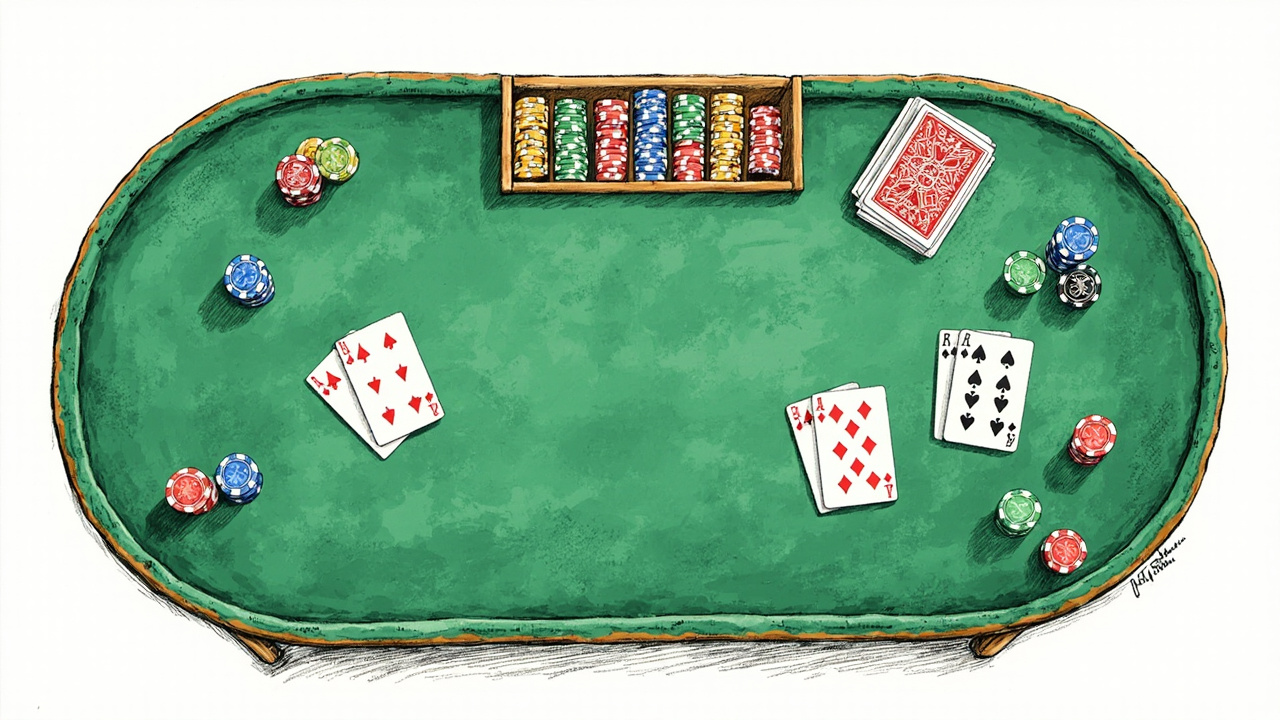
The single most noticeable change in european blackjack rules is the dealer’s second card. In the familiar Australian casino setup, the dealer usually peeks for blackjack immediately, which means you can surrender or adjust your bet before the round settles. Here, the dealer typically takes the second card after all players have finished their actions, and that timing alters every decision you make. When you are weighing a double down or a split, you are working with less information about the dealer’s hand, so the table rewards tighter starting hands and a willingness to stand on marginal totals. I spoke with a table operations manager who has run live dealer floors across several jurisdictions, and she described the variant as a test of discipline rather than speed. She noted that players who treat the missing card as a mystery to be solved tend to overbet, while those who accept the uncertainty and manage their bankroll accordingly usually stay in the game longer. The conversation kept circling back to a simple point: the structure is not there to punish you, it is there to ask a different question about how you play.
A few mechanics reinforce that slower, more deliberate pace. The shoe is often dealt from a single deck or a shallow pack, which means card counting becomes more visible to attentive players, but it also means the shuffle happens more frequently than on a deep six-deck shoe. Side bets are handled with the same restraint, and the payout structure for a natural blackjack stays at the standard 3:2 rather than drifting toward 6:5 tables that compress the edge. If you are coming from a background where every decision feels like it needs an immediate answer, this variant asks you to hold that instinct back. It is a useful reminder that not every system needs to rush toward a conclusion, and that same principle shows up in the way I design research tools for busy professionals: the goal is to keep the workflow readable so you can act on what matters, not on what feels urgent.
- The dealer acts after players finish, which removes the early peek that some tables use.
- Single or shallow decks mean more frequent shuffles and a tighter card distribution.
- Natural blackjack pays 3:2 on supported tables, keeping the payout structure consistent.
- Side bets are limited rather than stacked, so the table stays focused on the main hand.
Payments, Verification, and the Cashier Flow
When you move from the cards to the cashier, european blackjack rules sit inside a payment setup that is built around predictable flows rather than flashy promos. Deposits usually land through standard card and wallet options, and the currency you play in tends to match the account you register with, so there is less toggling between denominations mid-session. Withdrawals follow a similar logic: the request goes through a verification step first, then the processing window opens, and the limits are set out in advance so you know where the boundaries are before you place a bet. I have seen enough payment flows in my own work to recognise when a system is designed to keep things legible, and this is one of those cases. The registration process asks for the usual identity details, and the verification step is not something you can skip, which is the right call for a product that handles real money movement. Support is reachable through the usual channels, and the loyalty side tends to track consistent play rather than pushing bonus mechanics that complicate the cashier.
That approach matters because a messy cashier turns a straightforward session into a scramble. The flow here is built so that deposits, withdrawals, and verification sit in separate steps that each have a clear purpose, rather than blending into a single vague process. If you are playing from Canberra or anywhere else in Australia, the same structure applies, and the local details are mostly about how the account is set up and which currency you choose at the start. The variant itself does not change the payment mechanics, but the overall design of the product does affect how easy it is to stay focused on the table instead of the transaction. That is the kind of design judgement I apply when building tools for independent work: keep the moving parts visible, keep the limits clear, and let the user make decisions without hunting for the rules.
Where the Variant Fits Alongside Other Table Games
European blackjack rules are not trying to replace every other card game on the floor, and that is part of what makes them worth understanding on their own terms. Pai Gow, for example, is played with 32 Chinese dominoes, which is a completely different proposition from Pai Gow poker and asks for a different kind of read at the table. Lottery players tend to prefer choosing their own numbers over quick picks, and that same preference for personal control shows up in how people approach a blackjack variant that asks for deliberate decisions rather than fast reactions. The comparison is useful because it highlights what the variant is actually offering: a structured game where the rules are fixed, the pace is steady, and the decisions are about managing risk rather than chasing a narrative. Crown Perth sits beside the Swan River on the Burswood peninsula, and a venue like that is a reminder that table games live inside a larger physical and social context, not inside a vacuum. The same idea applies here: the variant is one option among several, and its value comes from how well it matches the way you want to play.
That is where the design angle really matters. A game variant is only useful if it fits the kind of session you are trying to have, and european blackjack rules are built around a specific rhythm that rewards patience and clear decision-making. I have built products that help people keep their research and digital work under control, and the same principle applies: the best setup is the one that reduces friction without pretending the work is easy. If you are looking for a table game that asks you to think a few steps ahead and manage your bankroll with some discipline, this variant has a clear place in that conversation. It is not a magic fix, and it is not the only option, but it is a coherent one that rewards players who understand what it is asking for. https://wanteddeadorawildau.com

If you want a table game that keeps the rules legible and the pace steady, european blackjack rules offer a clear alternative to the faster, more forgiving setups you might already know. The dealer’s timing, the deck structure, and the cashier flow all point in the same direction: a game that asks for discipline and rewards players who understand the structure before they sit down.