


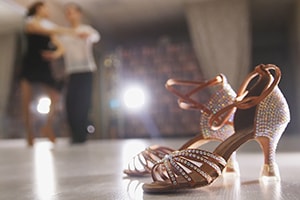
For women who enjoy Latin dancing, the right footwear can make a noticeable difference in comfort, movement, and presentation. Whether practicing salsa, cha-cha, rumba, samba, or jive, dancers need shoes that support precise footwork, controlled turns, and confident transitions. At the same time, color, heel shape, and material allow each dancer to express her individual style.
Choosing Custom Latin Dance Shoes can provide more opportunities to match footwear to personal preferences and performance requirements. Depending on the available options, dancers may be able to select different heel heights, upper materials, strap arrangements, and finishes. Understanding these features makes it easier to choose a pair that balances appearance, comfort, and practical performance needs.
Why the Right Latin Dance Shoes Matter
Latin dance involves quick steps, directional changes, rotations, and repeated shifts in body weight. Footwear must remain secure while allowing the feet to move naturally through these actions.
Shoes that are too loose can cause the foot to slide inside, making precise movement more difficult. Shoes that are too tight may create pressure around the toes, forefoot, or straps, especially during extended practice sessions.
The right design should fit closely without causing pain or restricting natural movement. It should also provide a sole suitable for the dance floor and a heel that feels manageable for the dancer’s technique.
Although appearance is an important consideration, functional features should guide the final decision.
Popular Styles of Women’s Latin Dance Shoes
Women’s Latin dance shoes are available in a variety of silhouettes, from traditional open-toe designs to more structured styles. Each offers a different combination of appearance, adjustability, and foot coverage.
Open-Toe Latin Dance Shoes
Open-toe designs are widely used in Latin dancing because they allow the toes to remain visible and accommodate pointed-foot positions. They can also create an elegant appearance that complements many competition costumes.
When choosing an open-toe shoe, check that the toes are positioned comfortably and do not extend excessively beyond the front of the sole. The straps should hold the foot securely without pressing painfully against the skin.
Cross-Strap Designs
Cross-strap shoes feature straps arranged across the foot, creating a distinctive appearance while helping secure the upper. Depending on their construction, they may offer several contact points to help keep the shoe in place during movement.
Pay attention to strap placement and adjustability. A design that looks attractive should also feel comfortable during turns, weight transfers, and quick steps.
T-Strap and Ankle-Strap Styles
T-strap designs feature a central strap extending toward the ankle, while ankle-strap styles secure the shoe around the lower leg. Both can create a classic Latin dance appearance.
The most suitable arrangement depends on foot shape, ankle comfort, and personal preference. Straps should remain secure without rubbing or restricting movement.
Choosing the Right Heel Height
Heel height is one of the most important decisions when selecting women’s Latin dance shoes. It influences weight distribution, posture, balance, and the amount of pressure placed on the forefoot.
The ideal height depends on your experience, comfort, technique, and the movements you perform most often.
Lower Heels for Comfort and Familiarity
Lower or moderate heels may suit beginners and dancers who prefer a more familiar foot position. They can make it easier to concentrate on rhythm and coordination while developing technique.
However, a lower heel does not automatically guarantee stability. The heel’s shape, position, and connection to the shoe also affect how secure the footwear feels.
Higher Heels for Experienced Dancers
Some experienced dancers prefer higher heels because they are accustomed to the resulting posture and weight distribution. Higher heels can complement traditional Latin dance styling, particularly for competition and performance.
They may also increase pressure on the forefoot and require greater balance and control. If you are considering a different heel height, introduce it gradually during practice and evaluate how it feels during turns and directional changes.
Consider Heel Shape as Well as Height
Heel shape affects how the shoe feels beneath the body. Slim heels create a delicate silhouette, while broader designs may feel more substantial to some dancers.
Rather than choosing solely by appearance, consider whether the heel feels stable and supports your natural movement. Your instructor may be able to help you identify an appropriate option for your technique and experience level.
Exploring Materials for Women’s Latin Dance Shoes
The upper material affects appearance, flexibility, maintenance, and durability. Different materials suit different preferences, so consider how frequently you dance and whether the shoes are intended primarily for practice, social events, or competitions.
Satin for an Elegant Finish
Satin is a popular choice for performance footwear because of its smooth surface and refined appearance. It is available in a range of colors and can coordinate beautifully with competition costumes.
However, satin can be vulnerable to stains, scuffs, and snags. Dancers who choose this material should store their shoes carefully and follow the manufacturer’s cleaning instructions.
Leather for a Classic Look
Leather offers a traditional appearance and can provide a structured feel, depending on its construction. Some dancers appreciate its versatility for regular practice and performance.
The flexibility, softness, and maintenance needs of leather vary by type and finish. Check the manufacturer’s care guidance before applying any cleaning or conditioning products.
Synthetic Materials for More Design Options
Synthetic uppers can offer a broad selection of colors, textures, and finishes. They may suit dancers looking for distinctive styling or a particular appearance that is not available in other materials.
Quality and performance vary between products, so examine the construction and fit rather than assuming all synthetic materials behave the same way.
Selecting the Right Sole Material
The sole determines how the shoe interacts with the floor, affecting traction, pivoting, and floor awareness. For indoor Latin dancing, suede is a common choice because it can provide a useful balance between grip and controlled rotation on appropriate surfaces.
Suede soles require regular maintenance to prevent dust and compacted fibers from affecting performance. A suitable dance-shoe brush can help maintain the surface when used according to the manufacturer’s recommendations.
Other sole materials may be suitable for specific environments or shoe designs. Before ordering, confirm that the sole is intended for the floors where you regularly practice and perform.
Avoid wearing indoor dance shoes on rough outdoor surfaces, which can damage delicate soles and change their traction characteristics.
Getting the Right Fit for Your Feet
A good fit is essential for comfort and control. Women’s Latin dance shoes should hold the heel securely, support the forefoot, and allow the toes to move naturally without excessive pressure.
Start by measuring both feet and consulting the manufacturer’s sizing guide. Foot width, arch shape, and instep height can all influence how a shoe feels, even when the length appears correct.
During a fitting, pay attention to the following details:
- Toe placement: The toes should sit comfortably without painful compression.
- Forefoot support: The shoe should feel secure during weight transfers.
- Heel security: The heel should not repeatedly slip out of the shoe.
- Strap adjustment: Fastenings should remain secure without digging into the skin.
- Overall flexibility: The shoe should move naturally with the foot during basic dance movements.
If standard sizing repeatedly causes problems, ask whether different widths or personalized fitting adjustments are available.
Personalizing Color and Finish
Color and finish can help create a coordinated appearance for competitions, performances, and social dancing. Some dancers prefer classic nude shades or black, while others choose metallic finishes or bold colors to complement their costumes.
Nude shades may create a subtle visual line, although the effect depends on the selected shade, costume, and lighting. Metallic finishes can add visual interest, while saturated colors can make footwear a deliberate part of the overall look.
When considering customization, decide whether you want the shoes to blend with your outfit or provide contrast. Also consider how practical the chosen finish will be for regular use.
Decorative details should never compromise the shoe’s security or comfort. Straps must fasten properly, and embellishments should not snag on costumes or interfere with movement.
Choosing Shoes for Different Latin Dance Styles
Different Latin dances place different demands on footwear. Although a versatile pair may work for several styles, your main dance activities can help determine which features matter most.
Salsa
Salsa often involves rapid turns and changes in direction. A secure fit and predictable pivoting can help dancers move confidently through fast sequences.
Cha-Cha
Cha-cha emphasizes crisp steps, rhythmic precision, and controlled weight transfers. Comfortable forefoot movement can be especially useful.
Rumba
Rumba features deliberate movements and expressive footwork. Dancers may prefer shoes that allow natural articulation and precise placement.
Samba
Samba involves energetic rhythmic patterns and repeated movements. Secure construction and suitable flexibility are important considerations.
Jive
Jive includes quick footwork and lively transitions. Shoes should remain secure without unnecessarily restricting movement.
If you practice multiple styles, prioritize the features that suit your most frequent activities rather than choosing a design based on appearance alone.
Benefits of Customization for Individual Preferences
Personalized footwear may be useful when standard designs do not fully meet your fitting or styling needs. Depending on the manufacturer, options may include selected materials, colors, heel styles, strap arrangements, or fitting adjustments.
Before placing an order, identify your priorities. If you experience forefoot pressure, for example, focus on fit and shape before choosing decorative features. If you primarily need competition footwear, consider how the design will complement your costumes and perform during extended rehearsals.
Ask which elements can be customized and what measurements are required. Confirm the production timeframe, total cost, and policies for fitting issues or manufacturing defects.
Customization can help create a more suitable match between footwear and individual preferences, but accurate measurements and sound construction remain essential.
Caring for Your Latin Dance Shoes
Proper maintenance helps preserve the materials, soles, and overall appearance of your footwear. After each session, remove surface dust with a suitable soft cloth and allow the shoes to air-dry naturally.
Use a dedicated brush for suede soles when necessary, following the manufacturer’s recommendations. Keep satin and delicate finishes away from rough objects, and store shoes in a protective bag in a cool, dry place.
Inspect straps, stitching, and heel attachments regularly. If a shoe becomes unstable or the sole no longer provides predictable traction, have it assessed before continuing to dance in it.
Consistent care can help extend the useful life of your shoes and keep them ready for practice and performance.
Final Thoughts
Choosing women’s Latin dance shoes involves balancing style, heel height, material, sole performance, and fit. Each feature contributes to how the footwear looks and feels during practice, social dancing, and competition.
Begin with your practical needs, including experience level, preferred dance styles, and any fitting concerns. Then compare available designs and customization options to find a pair that suits your preferences without sacrificing comfort or stability.
With careful selection, accurate measurements, and regular maintenance, the right Latin dance shoes can complement your personal style while supporting confident, controlled movement on the dance floor.


