


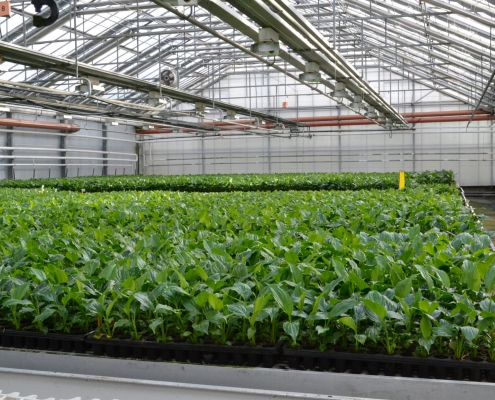
Acclimatization is an important stage in the management of tissue culture plants. Plants developed under controlled laboratory conditions must gradually adapt to the different humidity, light, temperature, airflow, and growing conditions found in a nursery or greenhouse.
When handling Wholesale Tissue Culture Plants, understanding the acclimatization process helps growers prepare suitable facilities and reduce unnecessary stress during the transition. The right approach can also support stronger establishment before plants move into their normal production environment.
Why Tissue Culture Plants Need Acclimatization
Plants grown inside culture vessels develop in an environment that is very different from an open nursery. Humidity is usually high, airflow is limited, and environmental conditions are carefully controlled.
Their leaves and other tissues therefore need time to adjust to external conditions. A sudden change in humidity or light can cause water loss and stress, particularly during the first days after removal from the culture environment.
Preparing the Acclimatization Area
The receiving area should be prepared before plants arrive. Clean facilities, suitable growing media, adequate humidity control, and appropriate lighting can make the transition more manageable.
The exact environmental requirements depend on the plant species and cultivar. Growers should therefore follow crop-specific recommendations rather than applying one fixed acclimatization procedure to every plant.
Gradual Reduction of Humidity
High humidity is commonly maintained during the early acclimatization stage. It helps reduce water loss while plants begin adapting to conditions outside the culture vessel.
Humidity can then be reduced gradually as the plants develop stronger tissues and become more capable of regulating water loss. Rapid changes may increase stress and should generally be avoided.
Managing Light Levels
Laboratory-grown plants may not be ready for intense direct light immediately after removal from their vessels. Excessive light can increase stress while the plants are still adapting.
A gradual increase in light intensity allows plants to adjust before they are exposed to normal greenhouse or nursery conditions. The appropriate light level will vary according to the crop and production environment.
Choosing Suitable Growing Media
The growing medium should provide adequate drainage, moisture retention, aeration, and physical support. A poorly selected medium can make acclimatization more difficult by creating either excessive moisture or insufficient water availability.
Clean and consistent growing media are particularly important during this stage because young plants can be sensitive to environmental problems.
Monitoring Temperature and Airflow
Temperature should remain within the suitable range for the specific crop. Sudden temperature changes can add stress during an already sensitive transition period.
Air movement should also be introduced carefully. Gentle airflow can help plants gradually adapt to normal nursery conditions, while excessive airflow can increase water loss before the plants are fully established.
Watering During Acclimatization
Water management requires close attention during the transition. Plants need sufficient moisture to establish roots, but excessive watering can reduce oxygen around the roots and encourage problems in the growing medium.
Rather than following a rigid watering schedule, growers should monitor the moisture condition of the medium and adjust irrigation according to plant development and environmental conditions.
Monitoring Plant Development
Regular observation can help identify problems early. Growers should monitor leaf condition, new growth, rooting, moisture levels, and signs of stress.
Useful indicators include:
- Development of new leaves
- Increasing root growth
- Stable leaf condition
- Gradual adaptation to lower humidity
- Consistent growth across the batch
Plants that show persistent stress may require adjustments to humidity, light, watering, or temperature.
Managing Large Batches
Acclimatizing large quantities of plants requires careful organization. Plants should have sufficient space for air circulation and should be grouped according to their development stage where practical.
When receiving a large shipment from a supplier such as Young Plants, growers can also record batch information and monitor establishment rates. These records can help improve future acclimatization procedures.
Transitioning to Normal Growing Conditions
Acclimatization should be viewed as a gradual process rather than a single event. As plants become stronger, environmental conditions can be progressively adjusted toward the levels used in the regular nursery or greenhouse.
The timing of this transition depends on the crop, plant condition, facility, and environmental management system. Growers should focus on plant response rather than following an arbitrary timetable.
Common Acclimatization Mistakes
Several management practices can make the transition more difficult:
- Moving plants directly into harsh environmental conditions
- Exposing young plants to excessive light too quickly
- Allowing the growing medium to remain continuously saturated
- Reducing humidity too rapidly
- Providing insufficient space for airflow
- Failing to monitor plants regularly after transplantation
Avoiding these issues can create a more stable environment during the early establishment period.
Final Thoughts
Acclimatization is a critical step between laboratory propagation and normal nursery production. Tissue culture plants need time to adjust to changes in humidity, light, temperature, airflow, and water availability.
For growers handling wholesale quantities, preparing the acclimatization area in advance and monitoring plant development closely can make the transition more predictable. Crop-specific requirements should always guide the exact environmental conditions and management practices used during this stage.