


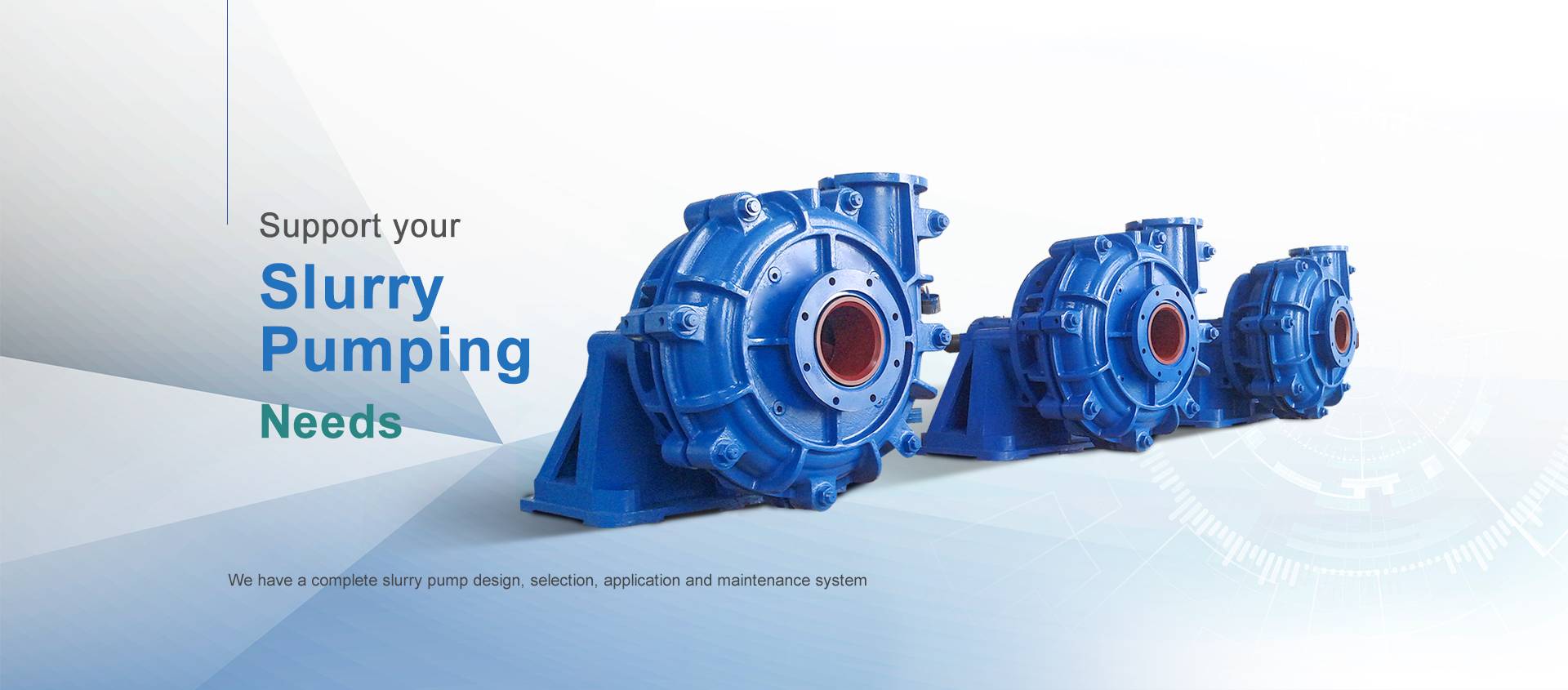
Slurry pumps often operate under demanding conditions where abrasive particles, high solids concentrations, and corrosive fluids can accelerate component wear. Regular maintenance is therefore essential for keeping pumping systems reliable and reducing unexpected interruptions.
A capable Slurry Pump Supplier can support maintenance throughout the equipment lifecycle by providing technical documentation, replacement parts, troubleshooting guidance, and recommendations for inspection and servicing. This support can help operators maintain performance and plan repairs more effectively.
Providing Maintenance Documentation
Clear maintenance documentation gives operators a practical reference for routine servicing. It can explain inspection procedures, lubrication requirements, component replacement, and recommended operating practices.
Useful documents may include:
- Maintenance manuals
- Assembly drawings
- Component lists
- Installation instructions
- Performance curves
- Spare-parts information
Accurate documentation can reduce maintenance errors and make servicing more consistent.
Recommending Inspection Schedules
Slurry pump components do not all wear at the same rate. Impellers, liners, seals, and other wetted components may require different inspection intervals depending on the application.
Suppliers can provide general guidance based on pump design and operating conditions. Operators can then adjust inspection schedules according to actual wear patterns and production requirements.
Supporting Wear-Part Replacement
Abrasive slurry can gradually reduce the thickness and performance of wear components. Replacing these parts before severe deterioration occurs can help protect more expensive components.
Suppliers can help operators identify commonly replaced parts and determine which components should be kept in inventory. Proper planning can reduce downtime when replacement becomes necessary.
Supplying Compatible Spare Parts
Using appropriately manufactured replacement parts is important for maintaining pump performance. Incorrect dimensions or unsuitable materials can cause alignment problems, excessive wear, leakage, or reduced hydraulic efficiency.
A reliable supplier should provide clear part numbers and specifications so maintenance teams can identify the correct components for each pump.
Providing Troubleshooting Assistance
Changes in pump behavior can indicate developing problems. Reduced flow, excessive vibration, unusual noise, leakage, or increased power consumption may require investigation.
Technical support can help operators identify possible causes and determine appropriate corrective actions. Early troubleshooting can prevent minor problems from developing into major equipment failures.
Supporting Seal and Bearing Maintenance
Seals and bearings are important mechanical components that require proper maintenance. Seal problems can allow slurry to enter sensitive areas, while bearing issues can increase vibration and mechanical stress.
Suppliers can provide guidance on suitable maintenance practices, inspection points, lubrication requirements, and replacement procedures for these components.
Helping Control Wear
Wear management begins with understanding the operating conditions. Particle size, hardness, solids concentration, slurry density, and flow velocity can all influence how quickly components deteriorate.
A supplier with relevant application knowledge can help operators understand common wear patterns and identify areas that may require more frequent inspection.
Providing Installation Guidance
Correct installation has a direct effect on long-term maintenance requirements. Misalignment, unsuitable piping arrangements, incorrect clearances, or improper sealing can create problems soon after commissioning.
Installation guidance can help maintenance teams verify alignment, connections, lubrication, sealing arrangements, and other important setup requirements.
Supporting Preventive Maintenance
Preventive maintenance involves servicing equipment before failures occur. This approach can help operators schedule inspections and component replacements during planned production interruptions.
A maintenance program may include:
- Regular visual inspections
- Vibration monitoring
- Bearing checks
- Seal inspections
- Lubrication
- Wear-part measurements
- Performance monitoring
- Scheduled component replacement
The exact schedule should reflect the pump design and operating environment.
Monitoring Pump Performance
Maintenance should not focus only on physical components. Changes in hydraulic performance can provide early indications of wear or other problems.
Operators can monitor flow rate, discharge pressure, power consumption, vibration, temperature, and other available operating data. Unexpected changes may indicate that inspection or servicing is required.
Helping Improve Energy Performance
Worn hydraulic components can affect pump efficiency. As impellers and liners deteriorate, internal clearances and flow characteristics may change, potentially increasing energy consumption.
Suppliers can help operators understand the relationship between component condition and hydraulic performance. Timely maintenance can help keep the pump closer to its intended operating characteristics.
Planning Maintenance Around Production
Industrial facilities often need to minimize downtime. Maintenance recommendations can help operators plan component inspections and replacements around scheduled shutdowns.
Keeping commonly required spare parts available can also reduce the time needed to return equipment to service.
Supporting Long-Term Equipment Operation
Maintenance support should continue throughout the useful life of the pump. As operating conditions change, equipment may require new wear components, different materials, or updated maintenance practices.
Maintaining communication with the supplier can help operators address these changes and keep equipment aligned with current process requirements.
Training Maintenance Personnel
Maintenance teams benefit from understanding how slurry pumps operate and which components require particular attention. Suppliers may provide technical guidance that helps personnel recognize wear, leakage, vibration, and other common issues.
Better understanding can improve inspection quality and reduce the risk of incorrect maintenance procedures.
Keeping Accurate Maintenance Records
Maintenance records help operators identify trends over time. Recording component replacement dates, operating hours, wear measurements, vibration levels, and failure causes can reveal useful patterns.
These records can also help suppliers provide more accurate recommendations when equipment requires troubleshooting or replacement components.
Conclusion
Slurry pump suppliers can play an important role in equipment maintenance by providing spare parts, technical documentation, troubleshooting assistance, installation guidance, and recommendations for inspection and component replacement. Their support can help operators manage wear and maintain reliable pump performance.
Effective maintenance ultimately depends on both supplier support and proper operating practices. By monitoring equipment condition, planning preventive maintenance, maintaining suitable spare parts, and addressing problems early, industrial facilities can reduce downtime and extend the useful service life of slurry pumping equipment.