


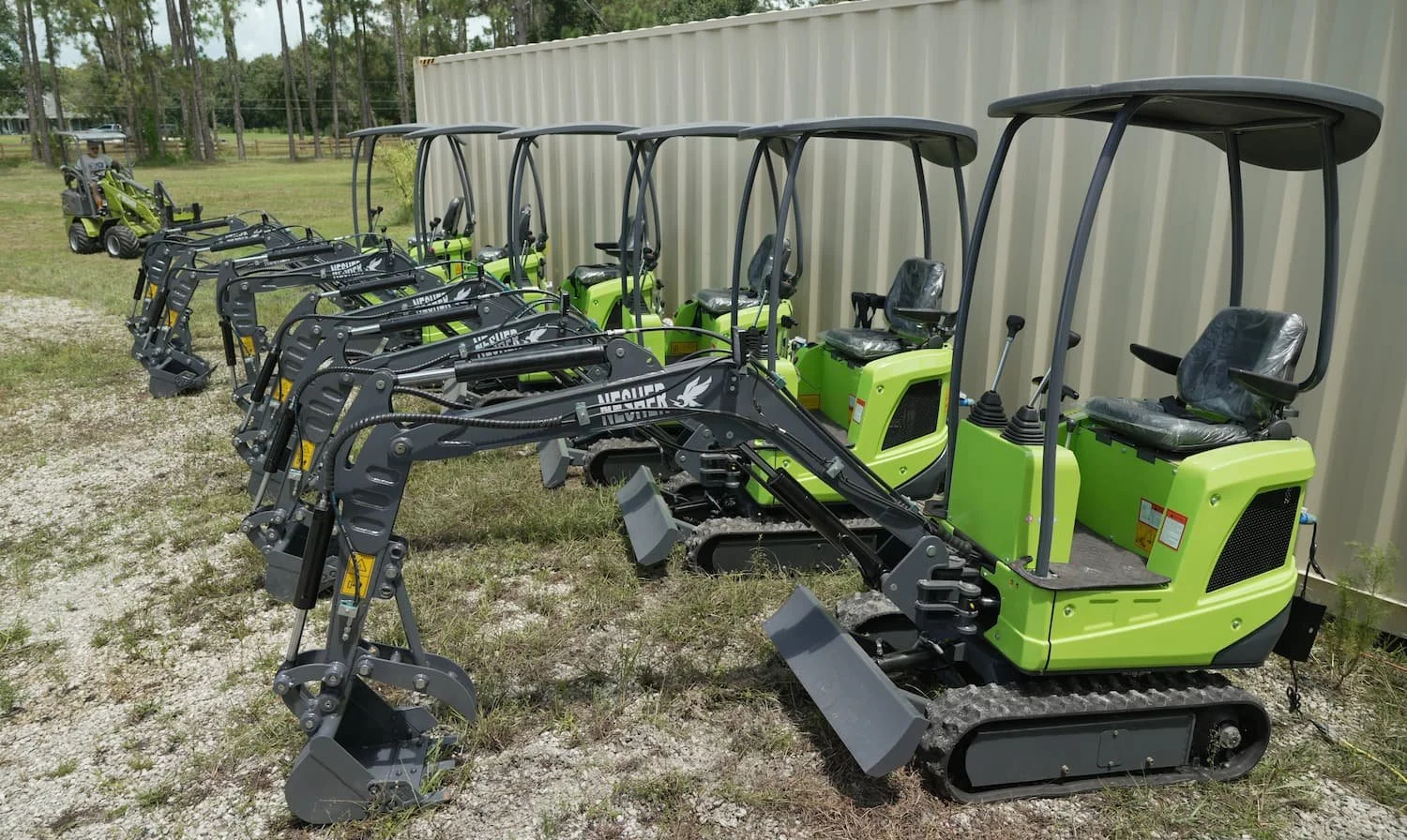
Electric mini excavators are rapidly reshaping the construction industry as innovation accelerates the shift toward cleaner, smarter, and more efficient machinery. Once seen as a niche alternative to diesel equipment, they are now becoming a central part of modern job sites due to continuous technological improvements and growing sustainability demands.
When evaluating an electric mini excavator, it is clear that recent innovations in battery systems, control technology, and energy efficiency are driving a major transformation in how excavation work is performed.
The Shift Toward Electrified Construction Equipment
The construction industry is undergoing a significant transition toward electrification. This shift is driven by environmental regulations, rising fuel costs, and increased demand for low-emission solutions.
Electric mini excavators are at the forefront of this change, offering a practical alternative to traditional diesel-powered machines.
Breakthroughs in Battery Technology
Higher Energy Density Batteries
One of the most important innovations is the development of high-capacity lithium-ion batteries. These batteries store more energy in smaller, lighter units, allowing longer operational runtime without increasing machine size.
Faster Charging Capabilities
Modern charging systems are significantly reducing downtime. Fast-charging technology enables machines to recharge more quickly, improving job site efficiency and reducing operational delays.
Improved Battery Lifespan
Advancements in battery management systems have extended overall battery life, reducing replacement frequency and long-term operating costs.
Smart Energy Management Systems
Electric mini excavators now feature intelligent energy management systems that optimize power usage in real time. These systems automatically adjust energy distribution based on workload demands.
Benefits include:
- Improved runtime efficiency
- Reduced energy waste
- Enhanced machine performance consistency
- Lower operational costs
Advanced Control and Automation Features
Digital Control Interfaces
Modern electric mini excavators are equipped with advanced digital dashboards that provide real-time performance data, including battery status, hydraulic pressure, and system diagnostics.
Precision Control Systems
Electronic control systems offer smoother and more accurate machine movements, improving excavation precision and reducing operator fatigue.
Semi-Automated Functions
Some models now include semi-automated digging and grading functions, reducing manual effort and improving productivity.
Improved Hydraulic Efficiency
Hydraulic systems in electric mini excavators have been optimized to work more efficiently with electric motors. This reduces energy loss and improves digging performance.
Enhanced hydraulic efficiency directly contributes to better overall machine productivity.
Noise Reduction and Operator Comfort
Electric mini excavators operate significantly quieter than diesel models. This innovation improves working conditions, especially in urban and residential areas.
Reduced vibration levels also enhance operator comfort and reduce fatigue during long working hours.
Environmental Innovation and Sustainability
Zero Emission Operation
Electric mini excavators produce no direct exhaust emissions, making them ideal for environmentally sensitive job sites.
Reduced Carbon Footprint
By eliminating diesel fuel consumption, these machines significantly reduce greenhouse gas emissions associated with construction activities.
Sustainable Job Site Practices
Their use supports green building initiatives and helps contractors meet environmental compliance standards.
Compact Design and Urban Efficiency
Innovations in design have made electric mini excavators more compact and maneuverable, allowing them to operate effectively in tight urban environments.
This makes them ideal for infrastructure projects in cities where space is limited.
Connectivity and Smart Monitoring
Modern machines increasingly feature IoT-based monitoring systems that allow remote tracking of performance, maintenance needs, and energy usage.
This improves fleet management and reduces unexpected downtime.
Impact on Industry Productivity
Technological innovations have significantly improved productivity by:
- Reducing downtime through faster charging
- Improving precision through digital controls
- Enhancing efficiency with smart energy systems
- Expanding usable applications across industries
These improvements make electric mini excavators more competitive with traditional equipment.
Expanding Applications Across Industries
Due to ongoing innovation, electric mini excavators are now widely used in:
- Urban construction and infrastructure
- Landscaping and environmental projects
- Utility installation and maintenance
- Agricultural development
- Indoor demolition and renovation
Their versatility continues to expand as technology improves.
Future Innovation Trends
The future of electric mini excavators is expected to include:
- Fully autonomous operation capabilities
- Even higher-capacity battery systems
- Wireless charging solutions
- Advanced AI-based job site optimization
- Greater integration with smart construction platforms
These developments will further transform the construction industry.
Conclusion
Innovations in battery technology, smart control systems, hydraulic efficiency, and digital connectivity are driving a major transformation in the electric mini excavator industry. These advancements are making machines more efficient, sustainable, and versatile than ever before. When evaluating an electric mini excavator, understanding these innovations helps contractors and businesses stay ahead in a rapidly evolving construction landscape focused on productivity and environmental responsibility.