


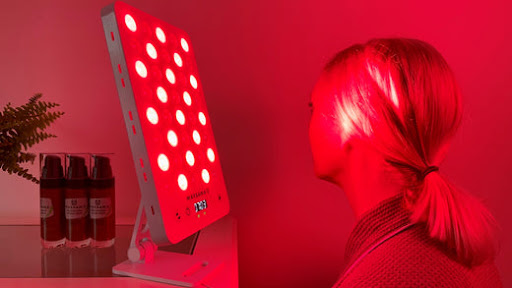
Red light technology has become increasingly popular in recent years due to its efficiency, versatility, and wide range of applications. From wellness routines to professional environments, it is used in situations where controlled and consistent light exposure is required.
A modern red light panel is designed to deliver specific wavelengths of red and near-infrared light in a stable and energy-efficient way. Its ability to provide uniform illumination makes it suitable for both personal and commercial use.
What Is a Red Light Panel?
A red light panel is a device made up of multiple LED bulbs arranged in a structured grid. These LEDs emit light in the red spectrum and often include near-infrared wavelengths depending on the model.
Unlike traditional lighting systems, red light panels are designed for precision and controlled output rather than general illumination. This allows them to deliver consistent light exposure across a targeted area.
How a Red Light Panel Works
Red light panels operate using LED semiconductor technology. When electricity passes through the LED chips, it generates light at specific wavelengths without producing excessive heat.
The working process includes:
- Electrical current flowing through LED semiconductors
- Emission of red or near-infrared light
- Controlled wavelength output based on chip design
- Uniform distribution across the panel surface
This process ensures efficient energy use and stable light performance.
Key Functions of Red Light Panels
Red light panels are designed to serve multiple functions depending on the application. Their primary function is to deliver consistent light exposure at specific wavelengths.
Common functions include:
- Providing controlled red light exposure
- Supporting surface and deeper tissue light interaction
- Delivering uniform light coverage
- Offering energy-efficient illumination
These functions make them useful across different industries.
Practical Applications of Red Light Panels
Red light panels are widely used in various fields due to their adaptability and stable performance.
Wellness and Light Exposure Routines
In wellness environments, red light panels are used for controlled light exposure sessions. Their consistent wavelength output makes them suitable for repeated use in structured routines.
Fitness and Recovery Settings
Many fitness users incorporate red light panels into recovery routines. The panels are used in environments where consistent light exposure is preferred for post-activity relaxation and recovery support practices.
Professional and Clinical Use
In professional environments, red light panels are used for controlled lighting applications where stable and predictable output is required.
Photography and Creative Industries
Red light panels are also used in studios for creative lighting effects. Their ability to produce consistent color output makes them useful in controlled visual environments.
Advantages of Using a Red Light Panel
Red light panels offer several advantages compared to traditional lighting systems.
Energy Efficiency
They consume significantly less energy while delivering consistent output, making them cost-effective for long-term use.
Long Operational Lifespan
LED-based panels are designed for extended use, often lasting thousands of hours with minimal performance loss.
Stable Light Output
Advanced driver systems ensure consistent brightness and wavelength accuracy over time.
Low Heat Emission
These devices generate minimal heat, improving safety and comfort during extended operation.
Design and Technology Features
Modern red light panels are built with advanced engineering to ensure performance and reliability.
Key features include:
- High-quality LED chips
- Aluminum heat-dissipation systems
- Constant current drivers
- Uniform light distribution design
These features contribute to stable performance and long-term durability.
Safety and Usage Considerations
Although red light panels are generally safe, proper usage is important for optimal results and device longevity.
Important considerations include:
- Avoiding direct eye exposure at close range
- Following recommended usage durations
- Ensuring proper ventilation during operation
- Using stable power sources
Following these guidelines helps maintain safe and effective use.
Maintenance and Care
Red light panels require minimal maintenance, but basic care helps preserve performance over time.
Recommended practices include:
- Regular cleaning of the panel surface
- Avoiding physical damage or pressure
- Checking cables and connections
- Ensuring dust-free storage
Proper maintenance supports long-term reliability.
Conclusion
A red light panel is a versatile and efficient lighting device designed to deliver controlled wavelengths of red and near-infrared light. Its stable performance, energy efficiency, and wide range of applications make it a valuable tool in wellness, professional, and creative environments.
As technology continues to advance, red light panels are expected to become even more efficient and widely adopted across multiple industries.