


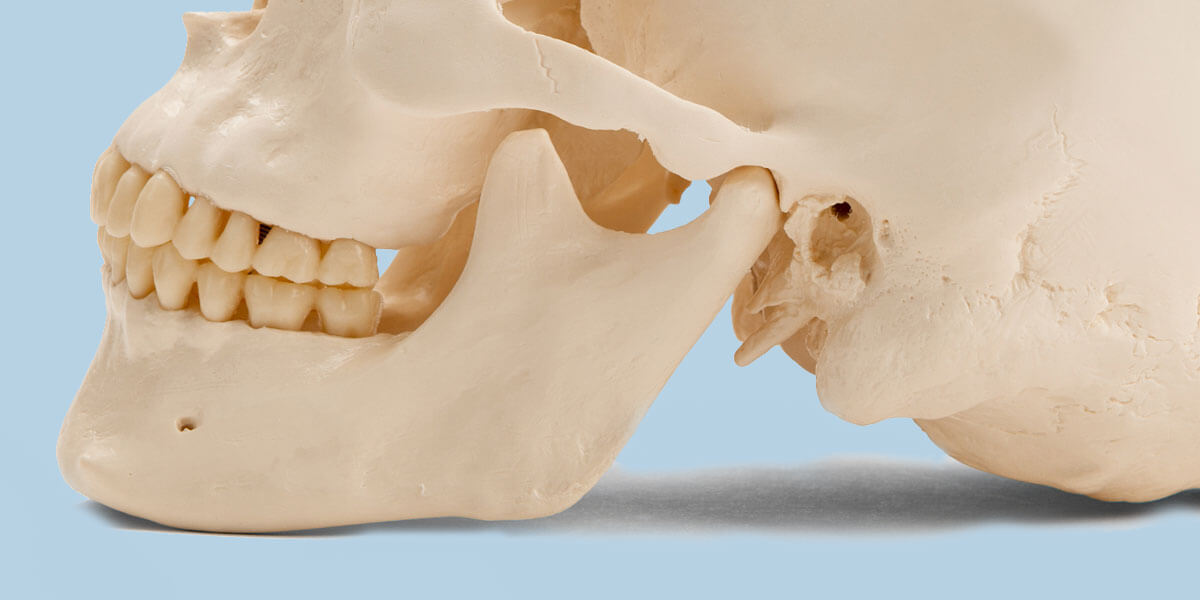
Temporomandibular joint (TMJ) disorders can affect jaw function and overall quality of life. The TMJ connects the jawbone to the skull, allowing for essential movements like chewing, speaking, and yawning. When this joint or surrounding muscles are strained or damaged, it can lead to pain, limited mobility, and other complications. Understanding when to seek professional care and what treatment options are available is crucial for managing TMJ disorders effectively.
Common Symptoms of TMJ Disorders
TMJ disorders can present with a variety of symptoms, some of which may be subtle initially. Key signs that warrant attention include:
- Persistent jaw pain or tenderness
- Clicking, popping, or grating sounds when opening or closing the mouth
- Difficulty chewing or limited jaw movement
- Headaches, earaches, or facial pain
- Swelling or stiffness around the jaw
- Jaw locking or sudden inability to open or close the mouth
These symptoms may worsen during periods of stress, after prolonged chewing, or when grinding teeth at night. Recognizing these warning signs early allows for timely intervention and prevents further complications.
Consulting a qualified TMJ Specialist is the best way to accurately diagnose the condition. Specialists have advanced training to evaluate the temporomandibular joint, muscles, and bite alignment, enabling them to recommend personalized treatment plans tailored to the patient’s specific needs.
How a TMJ Specialist Diagnoses the Condition
Diagnosis by a TMJ specialist typically involves a comprehensive assessment that includes:
- Medical and Dental History: Understanding prior injuries, dental procedures, and habits such as teeth grinding helps identify potential causes.
- Physical Examination: The dentist evaluates jaw movement, joint sounds, muscle tension, and bite alignment.
- Imaging Tests: X-rays, CT scans, or MRI may be used to visualize the joint structure, detect inflammation, and assess soft tissues.
- Functional Analysis: Assessing how the jaw moves and identifying any limitations or pain triggers helps in developing an effective treatment plan.
- Collaboration with Other Specialists: In some cases, the TMJ specialist may coordinate with physiotherapists, neurologists, or ENT specialists to provide comprehensive care.
A thorough diagnostic approach ensures that the treatment addresses the root cause of the disorder rather than just alleviating symptoms.
Treatment Options for TMJ Disorders
Treatment plans vary depending on the severity and underlying cause of the TMJ disorder. Common options include:
- Lifestyle Modifications: Avoiding hard or chewy foods, practicing stress management, and limiting jaw overuse can significantly reduce symptoms.
- Dental Appliances: Custom-made mouthguards or splints help reduce teeth grinding, redistribute bite forces, and relieve joint strain.
- Physical Therapy: Targeted exercises and manual therapy improve jaw mobility, strengthen muscles, and reduce tension.
- Medications: Anti-inflammatory drugs, pain relievers, or muscle relaxants can provide temporary symptom relief.
- Minimally Invasive Procedures: Injections such as corticosteroids may reduce inflammation in the joint for patients with persistent pain.
- Surgery: Reserved for severe cases involving structural damage or when conservative treatments fail, surgical interventions may include joint repair or replacement.
A TMJ specialist ensures that the selected treatment is safe, effective, and tailored to the patient’s specific condition.
Preventive Measures for TMJ Disorders
Alongside professional care, patients can adopt preventive strategies to reduce the likelihood of flare-ups:
- Avoid jaw habits that cause overuse, such as excessive chewing or nail-biting.
- Maintain proper posture, particularly when using computers or mobile devices.
- Use stress-reduction techniques such as meditation, yoga, or deep breathing exercises.
- Wear night guards if teeth grinding occurs during sleep.
- Schedule regular dental check-ups to monitor bite alignment and early signs of TMJ problems.
Consistently practicing these preventive measures helps minimize pain, prevent further joint damage, and support long-term jaw health.
When to Seek Immediate Care
Immediate consultation with a TMJ specialist is recommended if:
- Jaw pain persists for several weeks despite home care
- The jaw locks or suddenly becomes difficult to move
- Pain interferes with eating, speaking, or daily activities
- Symptoms are accompanied by severe headaches or ear pain
Early intervention improves treatment outcomes and reduces the risk of chronic TMJ dysfunction.
Conclusion
TMJ disorders can significantly impact daily life, but early diagnosis and appropriate care from a TMJ Specialist can provide effective relief. By recognizing symptoms, undergoing a comprehensive assessment, and following a personalized treatment plan, patients can manage discomfort, restore jaw function, and prevent long-term complications. Combining professional care with lifestyle adjustments and preventive measures ensures optimal results and improved overall well-being.