


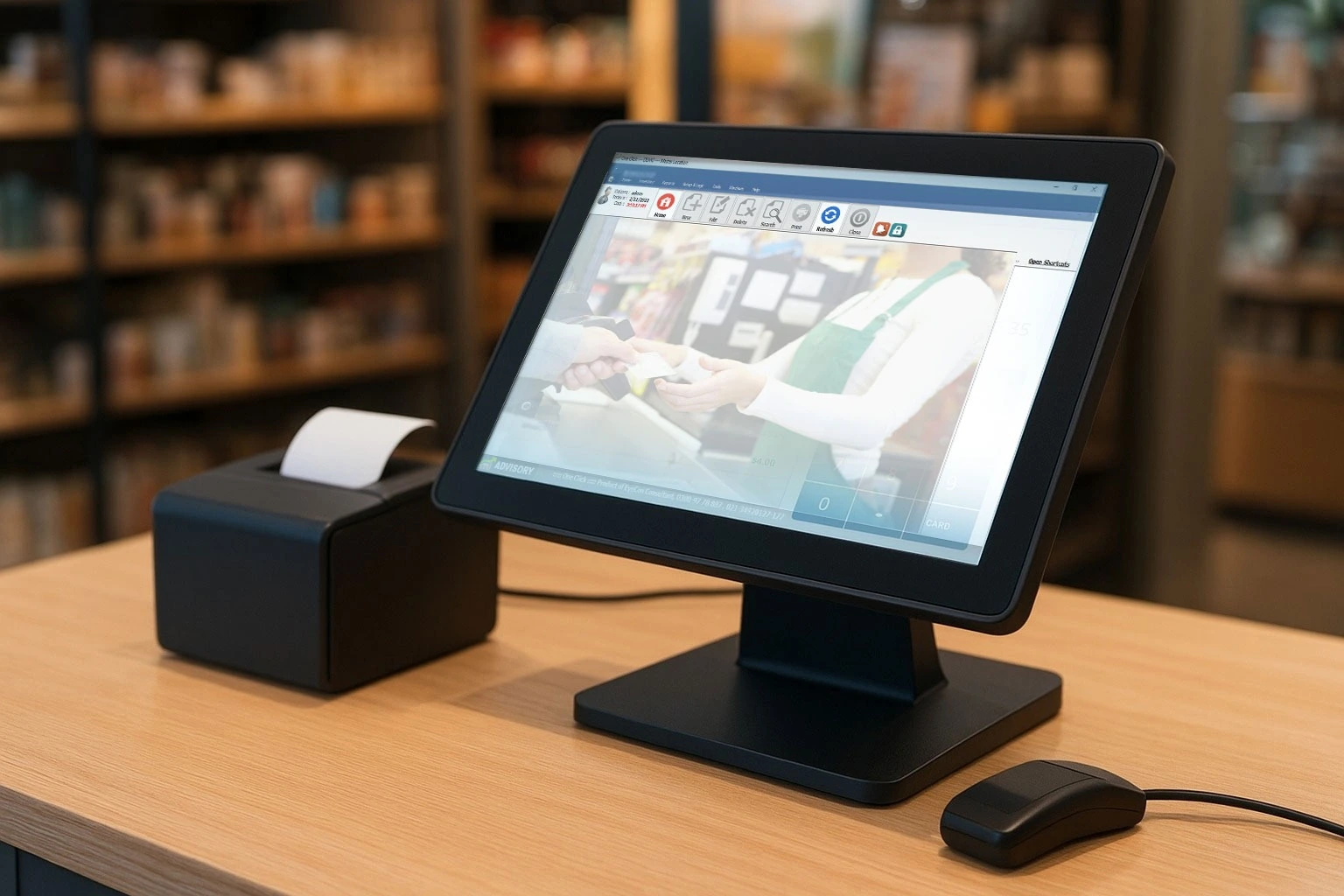
User interface design plays a critical role in modern business software development, especially in point of sale systems used in retail, restaurant, and service industries. A well-designed interface improves operational efficiency, reduces employee training time, and enhances customer service quality. As businesses adopt digital transformation strategies, POS software must provide intuitive navigation, fast response time, and user-friendly interaction features.
A full POS platform is more than a transaction processing tool. It serves as a complete business management system that supports sales, inventory, customer relations, and financial reporting. Companies investing in a reliable Full POS System benefit from centralized operational control and improved workflow automation. User interface design becomes especially important because employees with different technical skill levels must operate the system efficiently. A clean interface reduces mistakes during billing, inventory entry, and payment processing.
Simplicity and Ease of Use in POS Interface Design
Simplicity is one of the most important principles of POS software interface design. Employees working in retail stores and restaurants often handle high customer traffic situations. Complicated navigation menus can slow down service and increase waiting time.
Modern POS interfaces use clear visual layouts, large touch-friendly buttons, and logical workflow structures. Important functions such as billing, product search, and payment confirmation should be easily accessible. Designers aim to minimize the number of steps required to complete a transaction.
Color contrast also plays a role in usability. Proper color selection helps operators distinguish between different system functions quickly. For example, confirmation buttons, cancellation options, and navigation controls should be visually separated.
Role of User Interface Design in Employee Productivity
A well-designed POS interface directly improves employee productivity. When software is easy to understand, employees spend less time learning system operations. This reduces training costs and allows new staff members to start working faster.
POS systems are often used in busy environments where speed is essential. Cashiers and service staff must complete transactions quickly while maintaining accuracy. User interface optimization reduces cognitive load and helps workers focus on customer interaction instead of system navigation.
Intuitive interface design also minimizes human error. Automated validation messages, confirmation prompts, and guided workflows help prevent incorrect data entry. Error prevention is especially important in financial transaction processing.
Touchscreen Optimization and Mobile Compatibility
Many modern POS systems operate on touchscreen devices. Touchscreen interface design requires special attention to button size, spacing, and responsiveness. Buttons must be large enough to prevent accidental touches during busy operations.
Mobile POS technology is becoming increasingly popular. Restaurants and retail stores use tablet-based POS terminals to provide flexible service models. Mobile compatibility ensures that software functions smoothly across different screen sizes and device types.
Responsive interface design allows POS software to adapt automatically to hardware changes. This flexibility supports business expansion and technology upgrades.
Customer Experience Enhancement Through Interface Design
User interface design not only affects employees but also influences customer satisfaction. Fast checkout processes create positive customer experiences. Customers prefer stores where payment and service processes are simple and efficient.
Modern POS systems often include customer-facing display screens. These screens show transaction details, product prices, and promotional information. Transparent communication during checkout increases customer trust.
Loyalty program integration is also supported through user-friendly interfaces. Customers can easily check reward points and redeem discounts without complicated procedures.
Accessibility and Multilingual Support
Global business operations require POS software that supports multiple languages. Multilingual interface options help businesses operate in diverse customer environments. Employees can switch interface languages based on operational requirements.
Accessibility features are also important. Font size adjustment, voice assistance options, and simplified navigation improve usability for different user groups.
Performance Optimization and Speed
Interface design must be optimized for system performance. Slow software response can negatively affect business operations. Developers focus on reducing loading time and improving transaction processing speed.
Efficient coding structure and database query optimization support faster system performance. Background processing techniques help maintain interface responsiveness even during heavy data operations.
Future Trends in POS User Interface Design
Artificial intelligence and machine learning technologies are expected to influence future POS interface development. Smart interfaces may provide automated product suggestions, predictive search results, and voice-controlled commands.
Augmented reality and gesture-based control systems may also become part of future retail technology. Businesses will continue investing in innovative interface solutions to improve operational efficiency.
Conclusion
User interface design is a fundamental component of modern Full POS System software. A well-structured interface improves employee productivity, reduces operational errors, and enhances customer satisfaction.
Businesses must prioritize usability, speed, and accessibility when selecting POS technology. As digital commerce continues to expand, intuitive interface design will remain essential for successful business operations. Advanced POS platforms that focus on user experience will provide long-term competitive advantages in retail and service markets.