


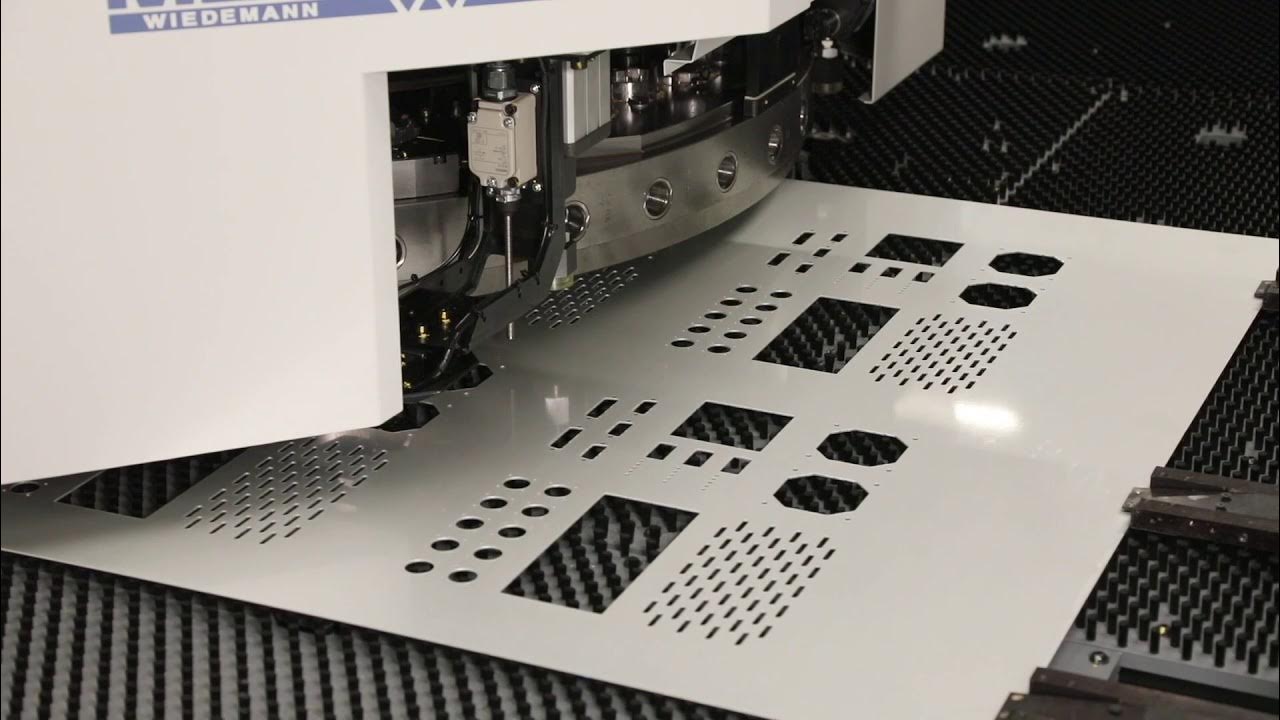
In modern metal fabrication, energy efficiency is a critical factor in both operational costs and environmental responsibility. Power punch machines are widely used for cutting, shaping, and forming metal sheets, and their energy consumption can have a significant impact on a workshop’s electricity bills. Selecting and operating energy-efficient equipment not only reduces costs but also supports sustainable manufacturing practices. Understanding the key considerations for energy efficiency in power punch machines can help businesses make informed decisions and optimize their operations.
Understanding Energy Consumption in Power Punch Machines
Power punch machines consume energy primarily through their drive systems, which may be mechanical, hydraulic, or servo-driven. Mechanical systems use motors, flywheels, and crank mechanisms to deliver punching force, while hydraulic systems rely on pumps and fluid pressure. Servo-driven machines offer precise control over movement and force. Energy consumption varies depending on the type of drive, the thickness and type of material being punched, and the frequency of operation. Leading Power Punch Machine manufacturers design machines with energy efficiency in mind, optimizing drive systems, motor performance, and operational cycles to minimize unnecessary power usage.
High-Efficiency Motors and Drives
One of the most important considerations for energy efficiency is the type of motor or drive used in the machine. Modern power punch machines often incorporate energy-efficient motors, including variable-frequency drives (VFDs) and servo motors. These technologies allow the machine to adjust power output based on load requirements, reducing energy waste during idle or low-demand periods. In contrast, older machines with fixed-speed motors consume a constant amount of power regardless of operational needs, resulting in higher electricity usage. Selecting machines with high-efficiency drives can significantly lower energy costs over time.
Optimized Hydraulic Systems
For hydraulic power punch machines, energy efficiency can be achieved by optimizing the hydraulic system. Traditional hydraulic systems operate at constant pressure, which can consume more energy than necessary. Modern designs use load-sensing technology or variable displacement pumps to adjust pressure and flow according to operational requirements. This reduces energy waste and improves overall machine performance. Proper maintenance of hydraulic systems, including checking for leaks and maintaining fluid quality, also ensures that the machine operates efficiently and reduces unnecessary power consumption.
Smart Automation and CNC Controls
Automation and CNC (Computer Numerical Control) systems can enhance energy efficiency by optimizing punching sequences and reducing idle times. Automated operations minimize the time the machine spends running without performing productive work. CNC controls allow precise programming of stroke length, punching force, and cycle speed, ensuring that the machine uses only the energy necessary for each operation. By integrating smart control systems, workshops can achieve significant energy savings while improving productivity and precision.
Material Handling and Workflow Optimization
Efficient material handling can contribute to energy savings by reducing the time a power punch machine spends on non-productive movements. Automated feeders, conveyors, and robotic handling systems allow metal sheets to be positioned accurately and quickly, minimizing idle machine time. Additionally, organizing workflow to reduce unnecessary material movement and optimizing batch processing can further decrease energy consumption. Energy-efficient workshops consider both machine performance and operational practices to maximize overall savings.
Maintenance and Preventive Care
Proper maintenance is essential for energy-efficient operation. Worn components, misaligned punches, and poorly lubricated moving parts can increase friction and load, causing the machine to consume more power. Regular maintenance, including inspection, lubrication, and replacement of worn components, ensures that the machine operates smoothly and at optimal energy efficiency. Preventive maintenance also reduces the risk of breakdowns, which can lead to energy waste during idle periods or emergency operations.
Monitoring and Energy Management
Workshops can achieve additional energy savings by monitoring machine performance and implementing energy management practices. Installing energy meters or using machine monitoring software can provide insights into power consumption patterns, identify areas of inefficiency, and guide adjustments in machine operation. Scheduling operations during off-peak hours, consolidating production tasks, and training operators to use energy-efficient settings all contribute to reduced energy costs.
Environmental and Economic Benefits
Energy-efficient power punch machines not only reduce operational costs but also support environmental sustainability. Lower energy consumption reduces carbon emissions and aligns with corporate social responsibility goals. Additionally, energy savings can be reinvested into the workshop to upgrade equipment, enhance automation, or expand production capacity. Choosing energy-efficient equipment is both a financial and environmental decision, providing long-term benefits for businesses.
Conclusion
Energy efficiency is a critical consideration for modern power punch machines. By selecting machines with high-efficiency motors, optimized hydraulic systems, and smart CNC controls, workshops can significantly reduce energy consumption while maintaining high productivity. Efficient material handling, preventive maintenance, and energy monitoring further enhance performance and sustainability. Investing in a reliable Power Punch Machine designed for energy-efficient operation ensures lower operating costs, reduced environmental impact, and improved overall performance in metal fabrication operations.