


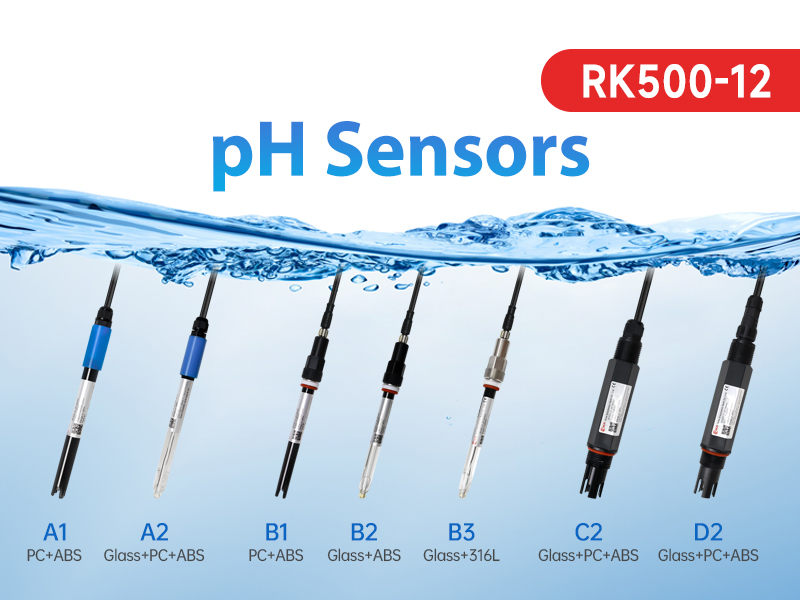
A pH sensor is a valuable tool in laboratories, industrial processes, water treatment, and environmental monitoring. Accurate pH measurements are crucial for maintaining product quality, ensuring safety, and complying with regulations. However, improper use of a pH sensor can lead to errors, unreliable data, and even damage to the sensor itself. Understanding common mistakes helps users maximize performance and prolong sensor life.
One of the most frequent errors is neglecting proper calibration. pH sensors require regular calibration using standard buffer solutions to maintain accuracy. Without this step, readings can drift over time, leading to incorrect measurements that affect processes or experimental outcomes. Another common mistake is using the sensor in inappropriate sample conditions, such as extreme temperatures or highly viscous solutions, which can impair sensor performance.
A pH sensor can also be damaged by improper handling or storage. Allowing the electrode to dry out, exposing it to harsh chemicals without proper cleaning, or dropping the sensor can all reduce accuracy or render it unusable. Users should follow manufacturer guidelines for storage, cleaning, and maintenance to ensure reliable performance.
Ignoring Sample Contamination
Contaminated samples can interfere with pH measurements. Particles, oils, or residual chemicals can coat the electrode surface, resulting in slow response times or inaccurate readings. Always ensure that the sample is clean and representative of the solution being measured, and rinse the electrode thoroughly between measurements.
Overlooking Temperature Effects
Temperature can significantly influence pH readings. Some pH sensors have built-in temperature compensation, while others require manual adjustments. Failing to account for temperature variations can lead to inaccurate results, particularly in industrial processes, fermentation, or environmental monitoring.
Using Incorrect Calibration Solutions
Using expired, contaminated, or improper buffer solutions for calibration is a common source of error. Calibration should be performed with fresh and appropriate buffer solutions that match the expected pH range of the sample. Using the wrong solutions can compromise accuracy and make subsequent measurements unreliable.
Neglecting Electrode Maintenance
The electrode is the most sensitive part of a pH sensor. Neglecting routine maintenance, such as cleaning the glass membrane, checking the reference junction, and storing the electrode in proper storage solution, can lead to drift, slow response times, and sensor failure. Proper care ensures longevity and consistent performance.
Misinterpreting Sensor Readings
Sometimes, users misinterpret sensor readings due to incorrect understanding of the measurement process. Factors such as electrode lag, hysteresis, or calibration errors can produce readings that appear inconsistent. Understanding how the sensor works and the proper way to read and interpret results is essential for accurate data collection.
Overusing or Prolonged Exposure
Extended exposure to highly acidic, alkaline, or abrasive solutions can damage the electrode. Continuous use without proper monitoring or protective measures can reduce sensor life. Where possible, use protective sleeves, limit exposure time, or select sensors designed for harsh environments.
Conclusion
Avoiding common mistakes when using a pH sensor ensures accurate measurements, prolongs sensor life, and supports safe and efficient operations. Key practices include regular calibration, proper cleaning and storage, accounting for temperature effects, using appropriate buffers, and understanding how to interpret readings. By following these guidelines, users can maximize the reliability and effectiveness of their pH sensor across laboratory, industrial, and environmental applications.