


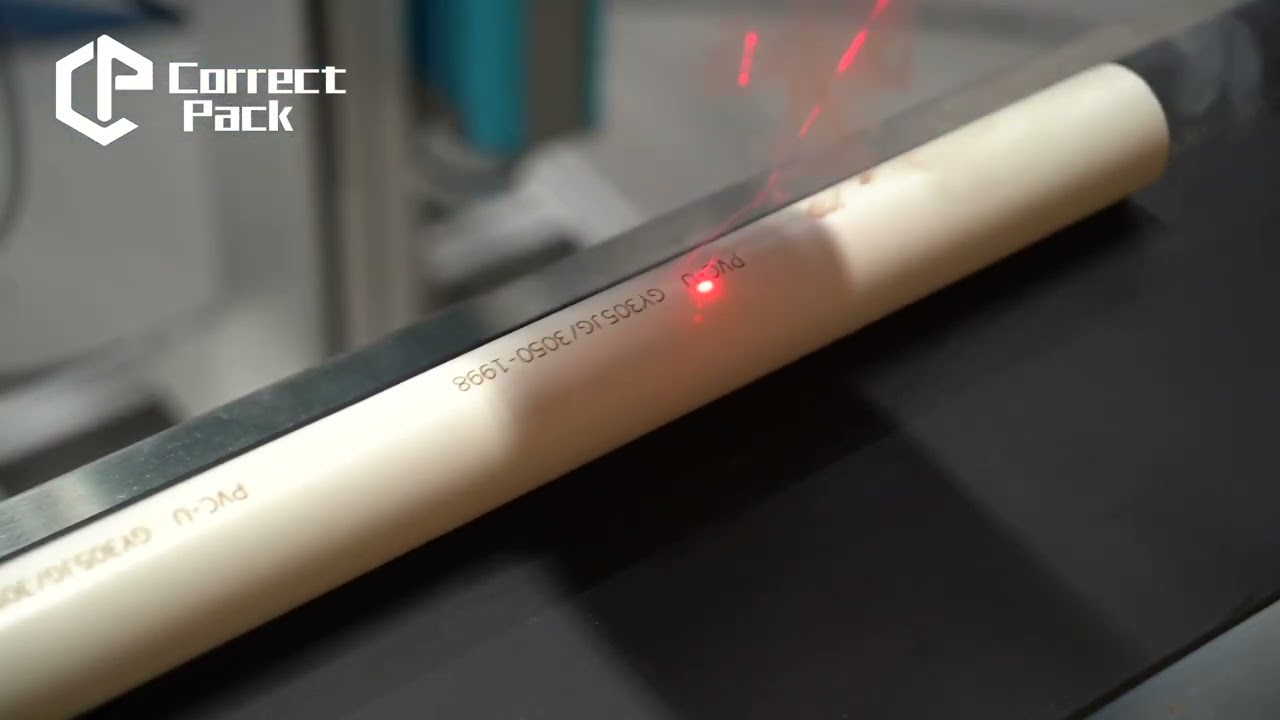
Small character inkjet printers have become an integral part of modern manufacturing, providing high-speed, precise, and automated product marking. Despite their efficiency and versatility, these printers can present certain challenges that manufacturers need to address to ensure smooth operation and consistent print quality. Understanding these challenges is essential for minimizing downtime, maintaining operational efficiency, and extending the lifespan of the equipment.
Investing in a reliable Small Character Inkjet Printer helps mitigate many common issues, but operators must also implement best practices for maintenance, operation, and troubleshooting. By recognizing potential obstacles, businesses can optimize printer performance and reduce disruptions in high-speed production environments.
Ink Clogging and Print Head Issues
One of the most frequent challenges with small character inkjet printers is ink clogging in the print head. Dried or contaminated ink can obstruct nozzles, resulting in streaks, missing characters, or inconsistent prints. This issue is particularly common when printers are not used regularly or when low-quality ink is employed. Regular cleaning, using manufacturer-recommended ink, and following maintenance schedules are essential to prevent clogging and maintain reliable print quality.
Inconsistent Print Quality
Maintaining consistent print quality across different production runs can be difficult, especially when marking on varied surfaces or materials. Irregular or textured surfaces, curved containers, and flexible packaging can lead to blurred or uneven markings if the printer is not properly configured. Adjusting print settings, selecting the appropriate ink, and using printers designed for specific packaging types are necessary to achieve uniform results.
Environmental Factors
Small character inkjet printers are sensitive to environmental conditions such as temperature, humidity, and dust. High humidity can affect ink viscosity, while dust and debris can clog print heads and reduce marking clarity. Operating printers in controlled environments and implementing protective measures such as enclosures or filters can help maintain optimal performance and reduce environmental-related disruptions.
Operator Errors
Incorrect printer operation or programming can lead to errors such as misaligned text, wrong batch numbers, or incomplete codes. Inadequately trained staff may also fail to recognize early signs of potential issues, resulting in production delays or defective products. Providing thorough training for operators, creating standardized procedures, and implementing automated verification checks are effective ways to reduce human error and ensure consistent output.
Integration Challenges
Integrating small character inkjet printers into automated production lines can be challenging, particularly in high-speed operations. Improper alignment with conveyors or packaging equipment can lead to missed markings or uneven placement. Ensuring precise synchronization, regular calibration, and testing integration during setup can address these challenges and enable smooth operation within complex production systems.
Maintenance and Downtime
Even though these printers are designed for low maintenance, failure to perform routine cleaning, calibration, or part replacement can result in unplanned downtime. Unexpected maintenance issues can slow production, increase costs, and compromise delivery schedules. Implementing a preventive maintenance program, keeping spare parts on hand, and scheduling regular inspections are essential for minimizing downtime and maintaining production efficiency.
Limited Ink Compatibility
Selecting the correct ink is crucial for achieving durable and legible markings. Some printers may have limitations on the types of ink they can use, which can pose challenges when working with specific packaging materials or surfaces. Using incompatible ink can lead to smudging, poor adhesion, or printer damage. Consulting the manufacturer’s guidelines ensures proper ink selection and avoids these potential problems.
Cost Considerations
While small character inkjet printers are cost-effective for high-speed marking, initial investment, ink, and maintenance costs can pose challenges for some businesses. Balancing operational efficiency with budget constraints requires careful planning and consideration of total cost of ownership, including consumables and maintenance.
Conclusion
Small character inkjet printers provide significant advantages in automating product marking and enhancing production efficiency. However, manufacturers must be aware of common challenges, including ink clogging, inconsistent print quality, environmental sensitivity, operator errors, integration difficulties, and maintenance demands. By understanding these potential obstacles and implementing best practices for operation and upkeep, businesses can maximize the performance, reliability, and longevity of their printers, ensuring high-quality, consistent markings across all production lines.