


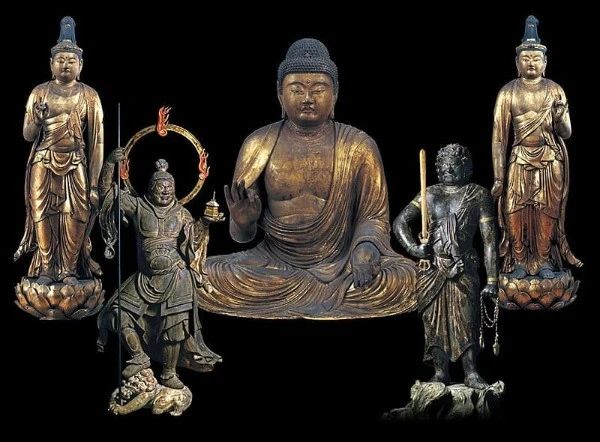
Sacred statues have long been used as visual anchors for reflection, calm, and spiritual discipline. Across Asia, carefully sculpted figures were placed in temples, homes, and quiet courtyards to remind people of inner stillness and mindful living. Even today, these timeless forms continue to resonate, especially for those seeking peace and balance in a fast-paced modern world.
At the heart of this tradition are Buddha & Deity Statues, handcrafted pieces inspired by ancient Shaolin Temple artistry. Designed to blend seamlessly into contemporary spaces, these statues bring the depth of Chan philosophy into homes, meditation areas, and work environments without feeling overwhelming or ceremonial.
The Deeper Meaning Behind Buddha and Deity Statues
Buddha and deity statues are not merely decorative objects. Historically, they served as teaching tools—silent reminders of virtues such as compassion, discipline, patience, and wisdom. Their calm expressions and balanced postures invite the viewer to pause, breathe, and reconnect with the present moment.
In Chan (Zen) Buddhism, statues are often used as focal points during meditation. They help quiet mental distractions and gently guide attention inward. Rather than representing external power, these figures reflect inner potential and self-cultivation.
Shaolin Temple Influence and Chan Wisdom
Shaolin culture is renowned for harmonizing physical strength with spiritual clarity. Rooted in Chan Buddhism, its teachings emphasize simplicity, awareness, and balance between body, mind, and spirit. This philosophy extends beyond martial arts into art, architecture, and sacred sculpture.
Shaolin-inspired statues reflect these values through restrained design and purposeful detail. Every posture, gesture, and expression is intentional, encouraging mindfulness rather than excess. This balance makes them especially meaningful in modern spaces where calm and focus are often in short supply.
Iconic Figures and Their Symbolism
Resting Buddha Figures
Resting Buddha statues symbolize deep peace, contentment, and release from mental tension. Often depicted in a relaxed seated posture, these figures encourage emotional calm and quiet reflection. Sandstone Resting Buddhas, in particular, offer a grounded and earthy presence that feels natural and soothing.
They are ideal for meditation corners, bedrooms, or any space where relaxation and mental clarity are desired.
Zazen Guardian Sculptures
Zazen guardians represent alertness, discipline, and protection of mindful practice. Traditionally associated with seated meditation, these iron-crafted figures embody strength combined with stillness. Their presence reminds practitioners that true calm is supported by focus and consistency.
Placed near a meditation mat, study desk, or personal altar, Zazen guardians help reinforce dedication and mental resilience.
Young Tathagata Depictions
Young Tathagata statues symbolize purity, curiosity, and the beginning of the spiritual journey. These figures often evoke innocence and openness, reminding viewers that wisdom grows from humility and learning.
They make thoughtful additions to personal altars or meaningful gifts for individuals starting a meditation or mindfulness practice.
Materials That Carry Timeless Character
Shaolin-inspired statues are crafted using traditional materials, each chosen for its symbolic and practical qualities:
- Stone and sandstone reflect stability, grounding, and endurance.
- Brass and bronze convey strength, clarity, and timeless wisdom.
- Wood represents natural balance, warmth, and harmony with the environment.
These materials not only ensure durability but also contribute to the subtle atmosphere of a space. Their natural textures and finishes enhance authenticity and calm.
Integrating Sacred Statues into Modern Spaces
Despite their ancient origins, Buddha and deity statues fit effortlessly into modern interiors. They can be placed on shelves, desks, side tables, or dedicated altars. Even in minimalist homes, a single well-placed statue can transform the mood of a room.
Many people position a statue where they begin or end their day. A brief moment of stillness—simply observing the figure—can help set intentions in the morning or release stress in the evening.
Mindfulness, Home Décor, and Gifting
These statues serve multiple purposes. For meditation practitioners, they act as visual anchors that support focus and awareness. For interior spaces, they offer understated elegance rooted in meaning rather than trend.
They are also meaningful gifts. Giving a Buddha or deity statue symbolizes wishes for peace, clarity, and well-being. Whether for a housewarming, personal milestone, or spiritual journey, such a gift carries depth and intention.
Craftsmanship Inspired by Respect and Tradition
Shaolin-inspired statues are created with respect for traditional forms and spiritual authenticity. Artisans focus on proportion, posture, and expression, ensuring each piece reflects the calm dignity associated with Chan teachings.
This commitment to craftsmanship results in statues that are not mass-produced decorations but enduring works designed to inspire for years to come.
Choosing the Right Statue for Your Space
Selecting a statue is a personal decision. Rather than choosing based on size or appearance alone, consider the intention you want to bring into your space. Are you seeking calm, focus, protection, or inspiration? Different figures resonate with different needs.
Placement also matters. Choose a clean, respectful location where the statue can be appreciated without distraction. Even small spaces can become sanctuaries with thoughtful placement.
Why Sacred Statues Remain Relevant Today
In a world filled with constant notifications and mental noise, physical symbols of stillness are increasingly valuable. Buddha and deity statues offer a tangible reminder to slow down and reconnect with inner awareness.
They do not promise instant transformation. Instead, they support gradual inner alignment through presence, discipline, and reflection—principles that remain timeless regardless of era or lifestyle.
Voice-Search Friendly Answers to Common Questions
What is the purpose of keeping a Buddha statue at home?
It helps create a peaceful atmosphere and encourages mindfulness.
Can these statues be used purely as décor?
Yes, they add calm and meaning while enhancing interior spaces.
Do I need to follow Buddhism to have a Buddha statue?
No, these statues are appreciated by anyone seeking balance and serenity.
Final Thoughts
Buddha and deity statues carry a quiet strength shaped by centuries of wisdom. Shaolin-inspired figures honor this legacy by combining ancient temple artistry with modern living. Whether used for meditation, home décor, or thoughtful gifting, they bring clarity, balance, and intention into everyday spaces.
By welcoming these sacred forms into your environment, you invite moments of stillness and reflection—gentle reminders that true harmony begins within.