


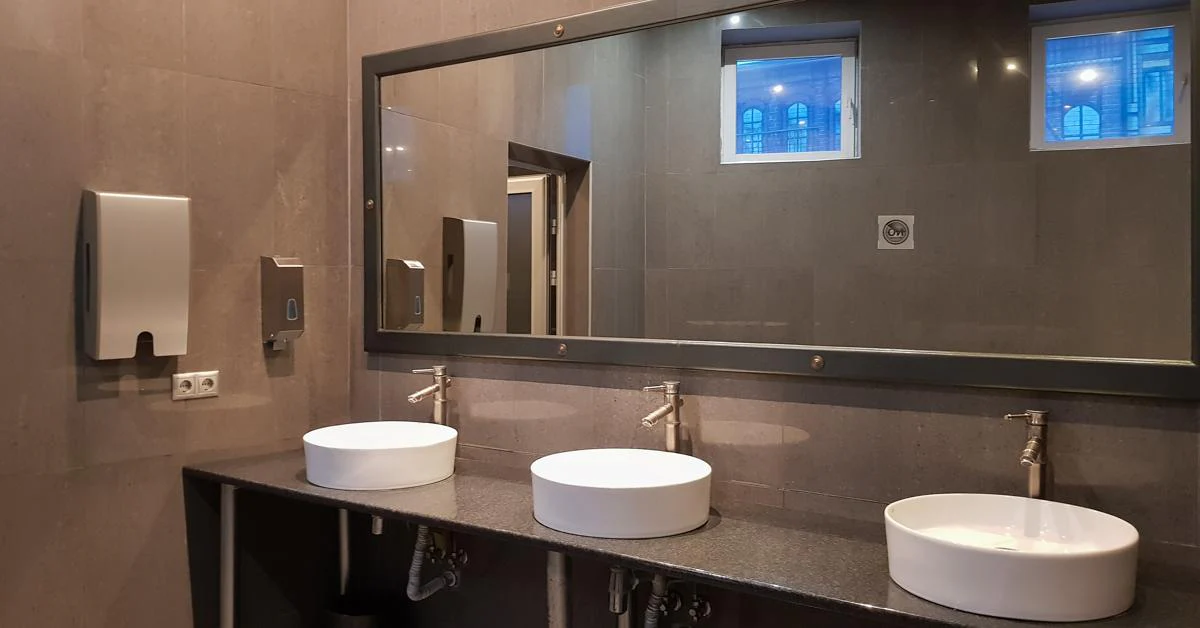
Public restrooms are high-traffic areas that must accommodate a wide range of users, including individuals with disabilities. Installing ADA-compliant sinks in these spaces is essential to ensure accessibility, safety, and comfort. ADA bathroom sinks are designed to meet the standards set by the Americans with Disabilities Act, providing adequate height, clearance, and easy-to-use controls for all users. Proper selection and installation of these sinks are critical in creating inclusive public facilities.
ADA bathroom sinks for public restrooms come in various designs and materials to meet both accessibility and durability requirements. For facilities looking for reliable and compliant options, an ADA Bathroom Sink offers a combination of accessibility, durability, and modern design. Choosing the right model ensures that public restrooms are accessible to everyone while withstanding the high usage typically seen in commercial and institutional spaces.
Key Features of ADA Sinks in Public Restrooms
ADA sinks in public restrooms must adhere to strict guidelines to provide proper accessibility. The sink rim or countertop should be no higher than 34 inches from the floor, while the knee clearance beneath the sink should be at least 27 inches high, 30 inches wide, and 19 inches deep. These dimensions allow wheelchair users to roll under the sink and comfortably access the faucet and basin. Additionally, the faucet controls should be within easy reach and operable with minimal effort, typically using lever handles, push buttons, or touchless sensors.
Durable Materials for High Traffic
Public restrooms require sinks made of durable, low-maintenance materials. Stainless steel, solid surface composites, and reinforced ceramics are commonly used because they withstand frequent use and resist stains, scratches, and corrosion. These materials also make cleaning easier, which is essential for maintaining hygiene in spaces that see heavy foot traffic. The choice of material should balance durability with a modern aesthetic to ensure the sink complements the restroom design while meeting accessibility standards.
Wall-Mounted vs. Countertop Designs
Wall-mounted ADA sinks are often preferred in public restrooms because they provide unobstructed knee space, making them more accessible for wheelchair users. Wall-mounted sinks are easy to clean underneath and allow for customization of height during installation. Countertop or vanity-style sinks can also be used, provided that the cabinetry is designed to leave sufficient clearance underneath. Both designs can incorporate water-efficient faucets and durable materials suitable for public use.
Water Efficiency and Sustainability
Water efficiency is an important consideration for public restrooms due to the high volume of use. Low-flow faucets, aerators, and sensor-activated controls help reduce water consumption while maintaining adequate performance. Water-efficient ADA sinks not only conserve resources but also lower operational costs for facility managers. These features are particularly valuable in public facilities, where multiple sinks are in use simultaneously throughout the day.
Placement and Accessibility
In addition to sink design and durability, placement within the restroom is crucial. Sinks should be located in areas that allow wheelchair users to approach and maneuver comfortably. A clear floor space of at least 30 by 48 inches in front of the sink is recommended. Additionally, soap dispensers, paper towel holders, mirrors, and hand dryers should be installed within reach, typically no higher than 40 inches from the floor, to maintain full accessibility. Proper planning ensures that the restroom is safe, convenient, and compliant with ADA standards.
Hygiene Considerations
Public restrooms require sinks that support hygiene and easy cleaning. Smooth, non-porous surfaces, integrated basins, and touchless faucets reduce the accumulation of bacteria and make daily maintenance easier. ADA sinks with these features help prevent cross-contamination, which is particularly important in high-traffic areas like airports, schools, and shopping centers.
Maintenance and Longevity
Regular maintenance is essential to ensure that ADA sinks continue to function effectively and remain compliant over time. Inspect faucets, drain pipes, and mounting hardware regularly for leaks or wear. Clean sinks and surrounding surfaces with non-abrasive cleaners to maintain hygiene and prevent damage. Choosing high-quality, durable sinks during installation reduces the need for frequent repairs and ensures long-term accessibility for all users.
Conclusion
ADA bathroom sinks are essential for public restrooms, providing accessibility, safety, and durability for a wide range of users. Key considerations include proper height, adequate knee clearance, durable materials, water efficiency, and strategic placement of accessories. Wall-mounted and countertop designs both offer benefits depending on space and user needs. By selecting compliant, high-quality sinks and ensuring proper installation, facility managers can create public restrooms that are inclusive, functional, and long-lasting. ADA sinks not only enhance accessibility but also contribute to hygiene, sustainability, and overall user satisfaction.