


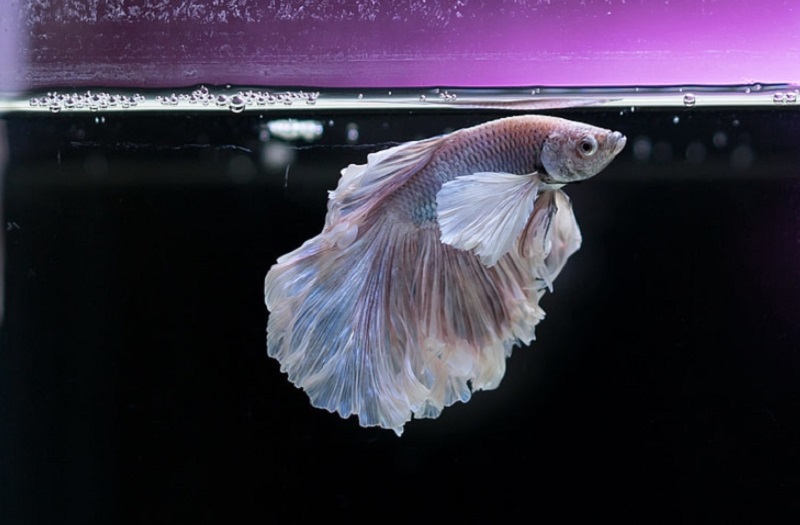
Betta fish are famous for their bright colors and flowing fins, making them popular pets for fish enthusiasts. But behind their stunning appearance is a complex world of behavior, especially when it comes to aggression and mating. In this article, we’ll explore whether male and female betta fish fight, how they interact, and what you can do to keep them happy and safe in your aquarium.
Do Male and Female Betta Fish Fight?
Yes, both male and female betta fish can fight. Male bettas are particularly known for their aggressive nature. They will fight to defend their territory, which includes their space in the tank. This means they can become aggressive towards other bettas, including females.
If you plan to keep a male and female betta in the same tank, be prepared for the possibility of fighting. If they stay together for too long without mating, they might end up fighting or becoming stressed. This can harm their health, so it’s important to monitor them closely.
Mating Behavior
When bettas are ready to mate, their behavior changes significantly. The male betta will show off his colors, flare his fins, and perform a special dance to attract the female. If the female is interested, she will allow the male to embrace her, and they will mate. After mating, the male takes on the role of guarding the eggs and chasing the female away.
If the female is not interested in mating or if the male is not in the mood, they might fight instead. In such cases, the male betta could hurt or even kill the female. It’s crucial to watch them carefully and separate them if you see signs of aggression.
How to Prevent Female Betta Fighting
While female bettas are generally less aggressive than males, they can still be territorial, especially in small or overcrowded tanks. Here’s how you can reduce aggression among female bettas:
- Provide Hiding Spots: Add plants, decorations, or caves to the tank. These hiding spots give bettas a place to retreat and avoid direct confrontations, reducing stress and aggression.
- Rearrange Tank Décor: Changing the layout of the tank decor from time to time can help disrupt established territories, which may reduce aggressive behavior.
- Increase Tank Size: If possible, use a larger tank. More space allows bettas to establish their territories without constant conflict.
- Add More Females: Introducing additional female bettas in odd numbers can help spread out aggression and prevent any single fish from being the main target.
Managing Male Betta Aggression
Male bettas are known for their aggressive behavior towards other males. If you have more than one male betta in the same tank, it’s important to manage their aggression to prevent fights. Here’s how:
- Use a Divider: An opaque divider in the tank can keep the males separated and reduce stress. This prevents them from seeing each other and helps minimize aggressive behavior.
- Choose the Right Divider: Use a completely opaque material to block the view between the bettas. Clear dividers are not effective as they still allow the males to see each other, which can provoke aggression.
New Discoveries About Betta Fish
Recent research has revealed interesting facts about betta fish:
- Genome Sequencing: Studies have shown that bettas have been kept as pets for over 1,000 years, making them one of the oldest domesticated fish.
- Color Genes: Scientists have identified genes like alkal2l and bco1l that influence betta coloration. These genes are responsible for the vibrant red and blue colors seen in many bettas.
- Aggression Genes: Research has found specific genes linked to aggressive behaviors in bettas. These genes can cause bettas to display aggression, such as puffing up their gills and biting.
- New Species: A new betta species called Betta Andrei was discovered in Indonesia. It is known for its unique black jaw and throat markings, adding to the variety of betta fish.
Conclusion
Understanding betta fish behavior is essential for keeping them healthy and happy. By learning about their aggression and mating habits, and by providing the right environment, you can ensure that your bettas thrive in your aquarium. Continuous research into betta genetics and behavior helps us better care for these fascinating fish. Whether you’re captivated by their colors or their unique behaviors, betta fish can be a wonderful addition to your tank with the right care.
FAQs
Are female betta fish aggressive?
Yes, while they are usually less aggressive than males, female bettas can still show territorial behavior, especially in smaller tanks.
Do male betta fish kill females?
Male bettas can become aggressive towards females, particularly during mating. If the female is not receptive or if the male is too aggressive, there is a risk of injury or death.
Are betta fish genetically modified?
No, betta fish have not been genetically modified in the lab. However, they have been selectively bred for traits like color and fin shape.
How long do betta fish live?
Betta fish typically live for 2 to 3 years, but with proper care, they can live up to 5 years or more.
Can betta fish live with other fish?
Betta fish are territorial and generally prefer to be alone. In larger tanks with carefully selected tank mates, they may coexist peacefully.