


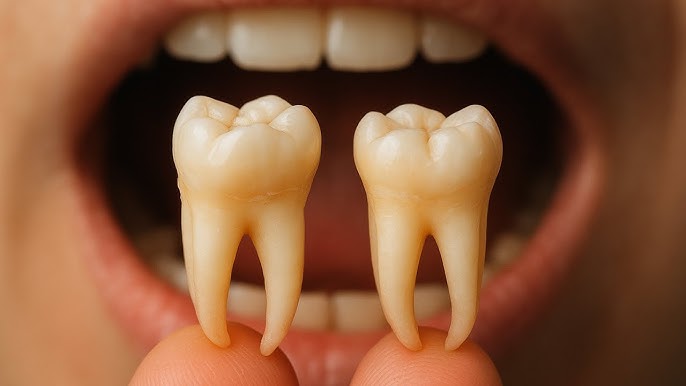
Tooth pain can disrupt daily life, but discomfort coming from the back teeth often feels more intense and persistent. Molars play a critical role in chewing and maintaining proper bite alignment, which makes any pain in this area particularly concerning. Many people delay treatment, assuming the pain will fade on its own, but untreated molar issues often worsen over time and lead to more complex dental problems.
Understanding the causes, symptoms, and treatment options for molar discomfort can help you take timely action and protect your long-term oral health.
Understanding Molars and Their Function
Molars are the large, flat teeth located at the back of the mouth. Their primary function is grinding food, which places them under constant pressure during eating. Because of their size and location, molars have deep grooves and pits that can trap food particles and bacteria more easily than front teeth.
This structural complexity makes them more vulnerable to decay, cracks, and nerve-related issues. When a problem develops, the resulting pain is often dull, throbbing, or sharp and may radiate to the jaw, ear, or head.
Common Reasons Behind Molar Tooth Discomfort
Experiencing molars teeth pain can stem from a variety of dental and muscular causes. Tooth decay is one of the most common reasons, as cavities in molars can grow unnoticed until they reach the inner layers of the tooth. Gum infections, cracked teeth, and failing dental fillings are also frequent culprits.
In some cases, the pain may not originate from the tooth itself. Jaw muscle tension, teeth grinding, or myofascial pain can mimic toothache symptoms, making accurate diagnosis essential.
Tooth Decay and Deep Cavities
Molars are particularly prone to cavities due to their chewing surface anatomy. When bacteria feed on trapped food particles, they produce acids that erode tooth enamel. Over time, this erosion can reach the dentin and pulp, where nerves are located.
Pain caused by deep cavities often worsens with hot, cold, or sweet foods. If left untreated, infection can spread, leading to abscess formation and severe discomfort that may require root canal treatment or extraction.
Gum Problems Affecting Molars
Gum disease is another common cause of molar pain. Inflammation of the gums around back teeth can create pockets where bacteria thrive. This may result in tenderness, swelling, bleeding, and sensitivity.
Advanced gum disease can affect the bone supporting the molars, causing pain during chewing and even tooth mobility. Early treatment can prevent irreversible damage and preserve the natural teeth.
Cracked or Fractured Molars
Because molars handle significant biting force, they are more susceptible to cracks and fractures. These may occur due to grinding, chewing hard foods, or trauma. Cracked teeth often cause sharp pain when biting down or releasing pressure.
Some cracks are microscopic and difficult to detect without professional examination. Ignoring these symptoms can allow bacteria to enter the tooth, increasing the risk of infection and nerve damage.
Teeth Grinding and Jaw Muscle Tension
Not all molar pain is caused by dental decay. Bruxism, or teeth grinding, places excessive pressure on molars, leading to soreness, enamel wear, and jaw discomfort. Many people grind their teeth unconsciously during sleep and remain unaware until pain develops.
Jaw muscle tension and myofascial pain can also refer discomfort to the molar area. This type of pain often feels diffuse and may worsen with stress or jaw movement rather than temperature changes.
Sensitivity and Nerve-Related Pain
Exposed tooth roots, worn enamel, or receding gums can cause heightened sensitivity in molars. This pain is typically triggered by cold air, hot drinks, or sugary foods and may come and go quickly.
Nerve-related pain tends to be more intense and lingering. If the dental pulp becomes inflamed or infected, the pain may persist even without stimulation and worsen at night.
When Molar Pain Signals a Serious Issue
Persistent or severe molar pain should never be ignored. Warning signs include swelling in the face or gums, fever, foul taste in the mouth, difficulty opening the jaw, or pain that radiates to the ear or neck.
These symptoms may indicate an infection that requires immediate attention. Delaying care can lead to complications affecting not only oral health but overall well-being.
Diagnosis and Treatment Options
Proper diagnosis is the key to effective treatment. A thorough dental examination may include X-rays, bite analysis, and evaluation of jaw muscles to identify the true source of pain.
Treatment options vary depending on the cause. Cavities may require fillings or crowns, while infections may need root canal therapy. Gum-related issues are often treated with deep cleaning and improved oral hygiene practices. For grinding or muscle-related pain, custom night guards and jaw therapy can provide significant relief.
Preventing Molar Tooth Pain
Preventive care plays a vital role in avoiding molar discomfort. Brushing twice daily with fluoride toothpaste, flossing regularly, and cleaning between molars help reduce plaque buildup. Limiting sugary foods and acidic drinks also protects enamel.
Routine dental check-ups allow early detection of problems before they become painful. Managing stress, avoiding excessive chewing on hard objects, and using protective devices for grinding can further reduce the risk of molar pain.
Final Thoughts
Pain in the back teeth is often a sign that something is wrong beneath the surface. Whether caused by decay, gum disease, cracks, or muscle-related issues, molar pain requires professional evaluation to prevent long-term damage.
Addressing the problem early not only relieves discomfort but also preserves oral function and overall health. By understanding the potential causes and prioritising preventive care, you can protect your molars and maintain a comfortable, confident smile for years to come.