


Maintaining stable indoor temperatures and protecting building systems from moisture are important priorities in modern construction. Residential buildings, commercial facilities, and industrial environments all depend on effective insulation to reduce unnecessary heat transfer and maintain comfortable operating conditions. Choosing the right insulation material can also help improve equipment efficiency and reduce long-term maintenance requirements.
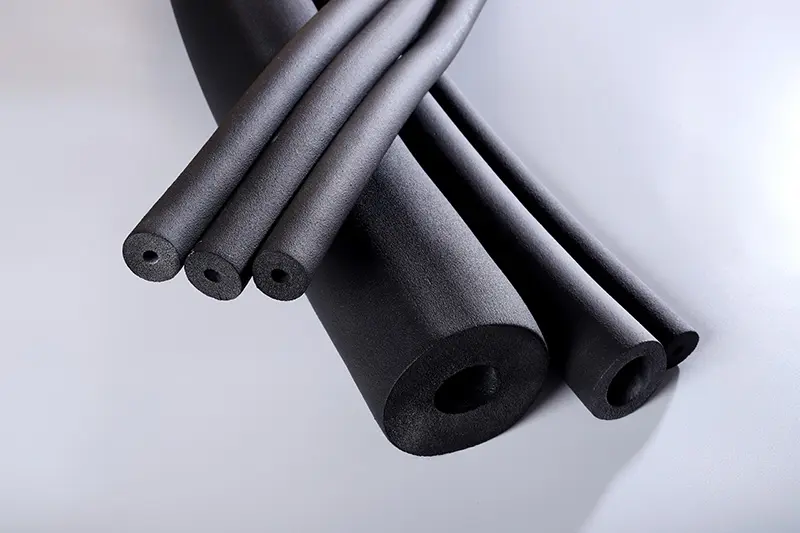
Among the available options, Rubber Insulation Material has become a practical choice for applications involving heating, ventilation, air conditioning, refrigeration, and industrial piping. Its flexible structure, thermal resistance, and moisture-control properties make it suitable for systems that require dependable insulation under different operating conditions.
Understanding Rubber Insulation Materials
Rubber insulation materials are commonly manufactured from flexible elastomeric compounds designed to limit heat transfer. Many products feature a closed-cell structure containing numerous small, sealed cells that help resist moisture penetration.
These materials are available in several forms, including tubes, sheets, rolls, and specially shaped components. Each form is designed to meet different installation requirements.
For example, insulation tubes are commonly used around pipes, while sheets and rolls are suitable for covering equipment, ducts, tanks, and irregular surfaces.
Their flexibility also makes them useful in installations where rigid insulation products may be difficult to fit.
Why Thermal Efficiency Matters in Modern Buildings
Buildings continuously exchange heat with their surroundings. During hot weather, external heat can increase indoor cooling requirements, while cold conditions can cause heat to escape from heated spaces and distribution systems.
Without proper insulation, HVAC equipment may need to work harder to maintain the desired temperature.
Rubber insulation helps reduce unwanted heat transfer by creating a protective thermal layer around pipes, ducts, and mechanical equipment.
Reducing Heat Loss
In heating systems, insulated pipes help retain the temperature of hot water and other heated fluids as they move through distribution networks.
This reduces unnecessary thermal losses and can help heating equipment operate more efficiently.
Limiting Heat Gain
Cooling and refrigeration systems benefit from insulation because surrounding heat can enter cold pipes and equipment.
Rubber insulation helps reduce this heat gain, supporting more stable operating temperatures and reducing the additional cooling demand.
Supporting Energy Conservation
Effective insulation can contribute to lower energy consumption by reducing the amount of heating or cooling required to maintain target temperatures.
Actual energy savings depend on insulation thickness, thermal conductivity, operating conditions, system design, and installation quality.
The Importance of Moisture and Condensation Control
Moisture management is one of the most important considerations when insulating chilled water and refrigeration systems.
Condensation develops when warm, humid air comes into contact with a surface below the surrounding air’s dew point. This can result in water droplets forming on cold pipes and equipment.
If left unmanaged, persistent condensation may contribute to corrosion, water damage, and deterioration of nearby building materials.
How Closed-Cell Rubber Insulation Helps
The closed-cell structure of many elastomeric rubber insulation products provides resistance to water vapor movement.
When correctly installed and sealed, this structure helps prevent humid air from reaching the cold pipe surface.
This makes rubber insulation particularly useful in applications where condensation prevention is essential.
Protecting Equipment and Building Structures
Moisture accumulation around mechanical installations can affect electrical components, metal surfaces, ceilings, and walls.
Suitable insulation helps reduce the risk of these problems by controlling surface temperatures and limiting moisture penetration.
However, maintaining an uninterrupted vapor barrier is essential. Poorly sealed joints or damaged insulation can allow moisture to enter the system.
Common Applications of Rubber Insulation Materials
Rubber insulation is used across various industries because of its adaptability and thermal performance.
1. Heating, Ventilation, and Air Conditioning Systems
HVAC installations contain numerous pipes, ducts, and mechanical components that require temperature control.
Rubber insulation can be applied to suitable chilled water lines, air conditioning pipes, and equipment surfaces to reduce heat transfer and help prevent condensation.
2. Refrigeration and Cold Storage
Refrigeration systems operate at low temperatures, making insulation essential for controlling heat gain.
Rubber insulation is commonly used around suitable refrigerant and chilled water pipelines in supermarkets, food storage facilities, and commercial refrigeration installations.
3. Industrial Piping Systems
Industrial facilities often transport liquids and gases at controlled temperatures.
Depending on its temperature rating and chemical compatibility, rubber insulation can be used on selected process lines and utility piping to reduce thermal losses and protect surrounding equipment.
4. Commercial and Residential Buildings
Modern buildings use insulation throughout their plumbing, heating, and cooling infrastructure.
Rubber insulation products can help protect water pipes, air conditioning lines, and mechanical equipment while supporting overall building energy efficiency.
5. Mechanical Equipment
Pumps, tanks, valves, and other equipment may require insulation to manage surface temperatures.
Flexible rubber foam sheets can be cut and fitted around suitable equipment configurations, providing a practical solution for irregular surfaces.
Different Forms of Rubber Insulation Products
Understanding the available product formats makes it easier to select the right option for a particular installation.
Rubber insulation tubes: Designed primarily for pipes and cylindrical components. They are commonly used in chilled water, air conditioning, and refrigeration systems.
Rubber insulation sheets: Flexible sheets that can be cut to cover larger or irregular surfaces, including equipment housings and selected duct applications.
Rubber insulation rolls: Suitable for projects requiring continuous insulation coverage across larger surfaces or multiple components.
Specialized insulation components: Preformed sections and accessories help insulate bends, joints, valves, and other complicated connections.
The appropriate format depends on the dimensions, geometry, and operating conditions of the equipment being insulated.
Key Factors to Consider When Choosing Rubber Insulation
Selecting insulation requires careful attention to technical specifications rather than relying on appearance or price alone.
Thermal Conductivity
Thermal conductivity indicates how easily heat passes through a material. Lower values generally represent better resistance to heat transfer.
Comparing manufacturer specifications helps determine whether a product meets the thermal requirements of the application.
Insulation Thickness
The required thickness depends on operating temperatures, ambient conditions, relative humidity, and the desired thermal performance.
For chilled water applications, appropriate thickness is particularly important for maintaining surface temperatures above the surrounding air’s dew point.
Water Vapor Resistance
Moisture resistance is essential in refrigeration and air conditioning systems.
Products with suitable water vapor resistance can help prevent moisture from entering the insulation when joints and connections are correctly sealed.
Temperature Range
Every insulation product has specified operating temperature limits.
The selected material must be suitable for the highest and lowest temperatures expected during normal system operation.
Fire Performance
Building regulations may specify particular fire performance requirements for insulation products.
Review relevant flame-spread, smoke, and other applicable test classifications before selecting a product for commercial or industrial projects.
Durability and Environmental Compatibility
Insulation may be exposed to humidity, ultraviolet radiation, vibration, chemicals, and physical contact.
Choosing a material designed for the installation environment helps support long-term performance.
Rubber Insulation Compared with Other Materials
Different insulation materials serve different purposes, and their suitability depends on project requirements.
- Rubber foam insulation: Offers flexibility, a closed-cell structure, and moisture resistance, making it useful for many HVAC and refrigeration applications.
- Fiberglass insulation: Commonly used in building envelopes and duct systems, offering useful thermal and acoustic properties.
- Mineral wool: Frequently selected for applications requiring fire resistance, sound absorption, and higher-temperature performance.
- Polyethylene foam: A lightweight option used in selected plumbing and thermal insulation applications.
Rubber insulation is particularly useful where flexibility and condensation control are important. However, it may not be the most appropriate solution for every high-temperature or fire-critical application.
Installation Practices for Better Insulation Performance
Proper installation has a direct impact on the effectiveness of any insulation system.
Even suitable materials can perform poorly when joints are left open or insulation sections are incorrectly fitted.
For better results, installers should:
- Clean and dry the surfaces before installation.
- Select insulation dimensions that match the pipe or equipment.
- Measure and cut sections accurately.
- Avoid excessive compression or stretching.
- Seal joints using compatible adhesives and accessories.
- Pay attention to valves, bends, fittings, and connections.
- Inspect the completed installation for gaps and exposed surfaces.
Outdoor applications may require additional protective coverings to reduce damage from weather, sunlight, and mechanical exposure.
Maintenance and Long-Term Reliability
Regular inspections help ensure that rubber insulation continues to provide the expected level of thermal and moisture protection.
Facility managers should look for damaged surfaces, loose joints, moisture accumulation, and deterioration around equipment connections.
Any damaged areas should be repaired or replaced using compatible materials and appropriate installation procedures.
Maintenance is particularly important in industrial environments, where vibration, temperature fluctuations, and regular equipment servicing can affect insulation condition.
Conclusion
Rubber insulation materials provide a practical solution for improving thermal efficiency and managing moisture in modern buildings and industrial systems. Their flexible construction and closed-cell properties make them suitable for numerous heating, cooling, refrigeration, and piping applications.
When selected according to technical requirements and installed correctly, rubber insulation can help reduce unwanted heat transfer, control condensation, and protect mechanical equipment.
As energy efficiency and reliable building operation continue to influence construction decisions, choosing appropriate insulation materials remains an important investment in long-term system performance.