


Introduction
Bearings are essential components in mechanical systems because they support moving parts, reduce friction, and ensure smooth operation. Among the different bearing technologies available today, water-lubricated bearings have become an important solution for applications where environmental protection, operational efficiency, and reliable performance are priorities.
Unlike conventional bearings that depend on oil or grease, these bearings use water as their primary lubricating medium. This approach reduces the need for petroleum-based lubricants and helps prevent oil contamination in water-based environments. They are particularly useful in marine equipment, water pumps, hydropower systems, and various industrial applications.
Understanding their design, working principles, advantages, and limitations can help engineers and equipment manufacturers select the right bearing solution.
What Is a Water Lubricated Bearing?
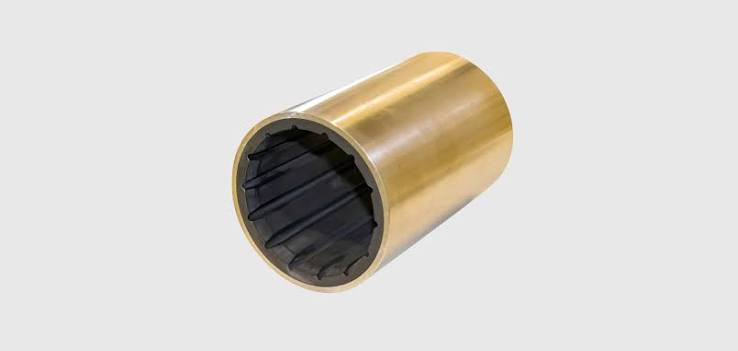
A water lubricated bearing is a mechanical component designed to support rotating shafts while using water to create a lubricating film between moving surfaces. This water film helps minimize direct contact, reduce friction, and control wear during operation.
These bearings are commonly manufactured using specialized materials that can operate effectively in wet environments. Depending on the application, materials may include rubber, polymer composites, engineering plastics, and other water-resistant materials.
One of their main characteristics is that they do not require conventional oil or grease lubrication. Instead, water continuously enters the bearing clearance and provides cooling and lubrication during operation.
How Does a Water Lubricated Bearing Work?
The working principle of a water lubricated bearing is based on creating a thin water film between the bearing surface and the rotating shaft.
When the shaft begins rotating, water moves through the clearance between the two surfaces. Under suitable operating conditions, this movement helps establish a hydrodynamic lubricating film that separates the surfaces and reduces friction.
The water also performs an important cooling function by carrying away heat generated during operation. This helps maintain suitable operating temperatures and supports long-term equipment performance.
However, effective lubrication depends on several factors, including water flow, shaft speed, bearing clearance, load conditions, and material selection. Proper system design is therefore essential for reliable operation.
Main Design Features of Water Lubricated Bearings
The design of these bearings focuses on durability, water compatibility, and efficient operation. Several important features influence their performance.
Water-Compatible Materials
Materials must withstand continuous exposure to water without excessive swelling, corrosion, or deterioration. Rubber and specialized polymer materials are commonly selected because of their resistance to moisture and ability to provide suitable friction characteristics.
Bearing Surface Design
The internal bearing surface is designed to support the shaft while allowing water to circulate. Some designs include grooves or channels that improve water distribution and help remove heat and contaminants.
Load-Bearing Capacity
Bearing dimensions, material properties, and surface geometry determine how effectively the component supports radial or other applied loads. Engineers must consider the equipment’s operating conditions when selecting an appropriate design.
Cooling and Lubrication
Water serves two purposes by reducing friction and carrying away heat. This combination makes these bearings suitable for systems that operate continuously in wet environments.
Common Applications of Water Lubricated Bearings
Water lubricated bearings are used across several industries because they can operate without conventional oil-based lubrication.
Marine and Shipbuilding Equipment
Marine applications are among the most common uses. These bearings support propeller shafts in ships and boats, where surrounding water can provide the necessary lubrication. Their oil-free operation also helps reduce the risk of marine pollution.
Water Pumps
Industrial and municipal water pumps often operate under continuous wet conditions. Water lubricated bearings can support rotating shafts while reducing dependence on grease or oil lubrication systems.
Hydropower Systems
Hydroelectric equipment contains rotating components that operate in water-rich environments. Suitable water lubricated bearing designs can support these systems by providing reliable shaft support and heat management.
Industrial Machinery
Certain industrial machines used in water treatment, chemical processing, and other wet environments can benefit from water-lubricated technology. The suitability depends on operating pressure, temperature, water quality, and mechanical load.
Wastewater Treatment Equipment
Pumping and treatment systems frequently handle water containing suspended particles. Specially designed bearings can be used in these environments when their materials and clearances are appropriate for the operating conditions.
Advantages of Water Lubricated Bearings
One major advantage is their reduced environmental impact. Since they do not depend on conventional oil or grease lubrication, they help minimize the possibility of lubricant leakage into surrounding water.
Another benefit is reduced lubrication-related maintenance. Operators do not need to manage traditional oil replacement or grease replenishment in systems designed for water lubrication.
These bearings can also provide effective cooling because water continuously carries heat away from the bearing area. Additionally, their relatively simple lubrication requirements can support efficient equipment operation.
However, their performance is not automatically superior in every application. Water quality, abrasive particles, insufficient flow, and unsuitable operating conditions can contribute to wear and premature failure.
Factors to Consider When Selecting a Water Lubricated Bearing
Choosing the correct bearing requires careful evaluation of the equipment and its operating environment.
Important considerations include:
- Operating load: Ensure the bearing can support the required mechanical load.
- Shaft speed: Check whether the design supports the equipment’s rotational speed.
- Water quality: Consider suspended particles, contamination, and chemical composition.
- Material compatibility: Select materials suitable for freshwater, seawater, or industrial water.
- Operating temperature: Confirm that the bearing material can withstand expected temperatures.
- Maintenance requirements: Evaluate inspection schedules, water circulation, and replacement needs.
Consulting technical specifications and understanding the operating environment can help prevent unnecessary wear and improve equipment reliability.
For businesses evaluating suitable industrial components and engineering solutions, exploring the product information and technical resources available from Techemer can be a useful starting point when researching bearing-related requirements.
Conclusion
Water lubricated bearings provide an effective alternative to conventional oil- and grease-lubricated bearing systems in applications where water is readily available. Their ability to reduce lubricant-related pollution, provide cooling, and support rotating equipment makes them valuable in marine, industrial, pumping, and hydropower environments.
Nevertheless, selecting the right design requires attention to materials, loads, shaft speeds, water quality, and operating conditions. With proper engineering and maintenance, these bearings can contribute to reliable equipment performance, improved operational efficiency, and more environmentally responsible machinery.