


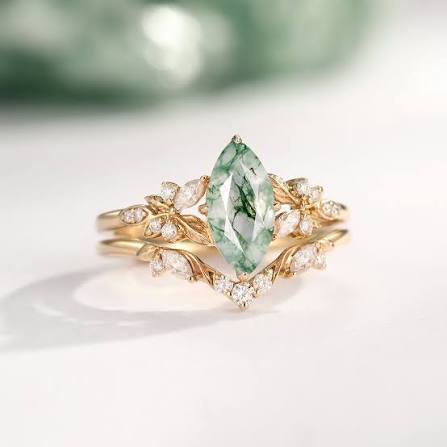
Choosing a diamond ring is an important decision, whether it is for an engagement, wedding, anniversary, or personal celebration. With advances in modern jewelry technology, lab grown diamonds have become an increasingly popular alternative to traditionally mined diamonds. They offer the same essential physical, chemical, and optical properties while providing more flexibility in design and purchasing decisions.
A Custom Lab Grown Diamond Ring is a piece of jewelry designed according to an individual’s preferences, allowing buyers to select the diamond’s shape, size, setting, metal, and other details. Rather than choosing from ready-made designs, customers can create a ring that reflects their personal style, budget, and intended purpose.
What Is a Lab Grown Diamond?
A lab grown diamond is a real diamond created in a controlled laboratory environment instead of forming naturally beneath the Earth’s surface over millions of years. Scientists use advanced technology to reproduce the conditions required for diamond formation.
Lab grown diamonds have the same chemical composition, crystal structure, hardness, and optical properties as natural diamonds. Both consist of crystallized carbon and rank 10 on the Mohs hardness scale.
There are two primary methods used to produce lab grown diamonds:
1. High Pressure High Temperature (HPHT)
The HPHT method recreates the high-pressure and high-temperature conditions associated with natural diamond formation. A small diamond seed is placed in a specialized machine with a carbon source, where heat and pressure encourage diamond crystals to develop.
2. Chemical Vapor Deposition (CVD)
CVD technology uses a controlled chamber filled with carbon-rich gases. Energy breaks down these gases, allowing carbon atoms to gradually attach to a diamond seed and form a larger crystal.
Both methods can produce high-quality diamonds suitable for fine jewelry, although the production process and characteristics of individual stones may vary.
What Makes a Custom Lab Grown Diamond Ring Different?
The main difference between a custom ring and a ready-made ring is the level of personalization. Standard jewelry designs are usually produced in predetermined styles and sizes, while custom rings allow buyers to make decisions about individual design elements.
This flexibility is useful for people who want something meaningful rather than a design commonly found in jewelry stores.
Some important customization options include:
- Diamond shape: Choose from round, oval, pear, princess, emerald, cushion, and other cuts.
- Diamond size: Select a carat weight that suits personal preferences and budget.
- Metal type: Consider platinum, yellow gold, white gold, or rose gold.
- Ring setting: Choose solitaire, halo, pavé, three-stone, or other setting styles.
- Band design: Customize the width, thickness, finish, and decorative details.
- Personal details: Add engravings or meaningful design elements to make the ring more personal.
Each decision contributes to the ring’s overall appearance, comfort, and durability.
Key Benefits of Custom Lab Grown Diamond Rings
Custom lab grown diamond rings offer several advantages for modern jewelry buyers. Understanding these benefits can help beginners decide whether this type of jewelry meets their expectations.
Greater Design Flexibility
One of the biggest advantages is the ability to control the design. Buyers can combine different diamond shapes, metals, and settings to create a ring that matches their preferences.
For example, someone who appreciates simple jewelry might choose a round diamond in a classic solitaire setting. Another person may prefer an oval diamond surrounded by smaller accent stones.
More Affordable Diamond Options
Lab grown diamonds generally cost less than comparable natural diamonds with similar grading characteristics. This price difference can provide greater flexibility when choosing diamond size, quality, or ring design.
Buyers may be able to select a larger center stone or invest in a more detailed setting without exceeding their original budget.
Similar Physical and Optical Properties
Lab grown diamonds are not imitation stones. They have essentially the same hardness, brilliance, and durability as natural diamonds.
Their appearance and performance in everyday jewelry are also comparable. Specialized gemological equipment may be needed to distinguish their laboratory origin from natural diamond formation.
Personal and Meaningful Designs
A custom ring can represent an individual’s personality, relationship, or special memory. Engravings, unique settings, and carefully selected diamond shapes can give the jewelry additional sentimental value.
Understanding the 4Cs of Lab Grown Diamonds
Before selecting a diamond, beginners should understand the four main grading factors known as the 4Cs: cut, color, clarity, and carat weight.
These characteristics help determine a diamond’s appearance and overall quality.
Cut
Cut refers to how well a diamond’s proportions, symmetry, and finish allow light to reflect through the stone. It has a significant influence on brilliance and sparkle.
An excellent cut can make a diamond appear lively and bright, while a poorly cut stone may look less attractive even when its other characteristics are impressive.
Color
Diamond color grading generally evaluates how much yellow or brown tint is visible in a stone. The commonly used grading scale ranges from D, which represents colorless, to Z, which indicates noticeable color.
The best choice depends on personal preference, the selected metal, and the overall ring design.
Clarity
Clarity describes the presence of internal characteristics, known as inclusions, and external imperfections, known as blemishes.
A diamond with fewer visible imperfections generally receives a higher clarity grade. However, some inclusions are difficult to notice without magnification, so buyers should consider visual appearance rather than focusing exclusively on the highest grade.
Carat Weight
Carat measures a diamond’s weight rather than its physical dimensions. One carat equals 200 milligrams.
Larger diamonds generally have higher prices, but two diamonds with the same carat weight can look different depending on their shape, cut proportions, and dimensions.
Popular Styles for Custom Lab Grown Diamond Rings
Selecting a design is one of the most enjoyable parts of creating a personalized ring. Different settings and diamond shapes produce different visual effects.
Solitaire Rings
Solitaire rings feature one central diamond without additional accent stones. Their simple appearance makes them a timeless option for engagement rings and other special occasions.
Halo Rings
Halo designs surround the center diamond with smaller stones. This arrangement creates additional sparkle and can make the central diamond appear visually larger.
Three-Stone Rings
Three-stone rings feature a central diamond accompanied by two side stones. The design is often associated with past, present, and future, making it meaningful for anniversaries and relationship milestones.
Pavé Rings
Pavé settings feature small diamonds placed closely together along the band. They create a continuous sparkling appearance while maintaining the center stone as the main focal point.
Vintage-Inspired Rings
Vintage-inspired designs incorporate decorative details such as milgrain edges, intricate metalwork, and antique-style settings. These rings are suitable for people who appreciate traditional jewelry aesthetics.
How to Choose the Right Metal for Your Ring
The metal used in a ring influences its color, durability, maintenance requirements, and overall appearance.
Common options include:
- Platinum: A naturally white metal known for its durability and resistance to corrosion. It is a popular choice for long-term jewelry.
- White gold: Offers a bright, silvery appearance and is often finished with rhodium plating.
- Yellow gold: Provides a warm, traditional appearance that pairs well with different diamond shapes.
- Rose gold: Features a soft pinkish tone created by combining gold with copper.
When choosing a metal, consider skin comfort, maintenance requirements, lifestyle, and personal style. The metal should complement the diamond while providing a practical option for regular wear.
Important Factors to Consider Before Ordering a Custom Ring
Creating a personalized ring requires careful planning. Buyers should consider several factors before confirming their design.
Establish a Realistic Budget
Decide how much you are comfortable spending before selecting individual components. Consider the diamond, metal, setting complexity, craftsmanship, and any additional customization charges.
A clear budget helps narrow down options without sacrificing important design preferences.
Choose the Appropriate Diamond Shape
Different diamond shapes create different appearances. Round diamonds are known for their brilliance, while emerald cuts emphasize clean lines and step-cut patterns.
Oval and pear shapes can create an elongated appearance, whereas cushion and princess cuts offer distinctive geometric styles.
Check Diamond Certification
Independent grading reports can provide important information about a diamond’s characteristics. Organizations such as the Gemological Institute of America (GIA) and the International Gemological Institute (IGI) provide grading and identification services.
Buyers should review the report details and confirm that the diamond is properly identified as laboratory-grown.
Consider Ring Size and Comfort
An attractive design should also be comfortable to wear. Accurate ring sizing is essential, particularly when the ring is intended as an engagement or wedding ring.
Band width, setting height, and the placement of accent stones can also influence everyday comfort.
Review the Design Before Production
Whenever possible, request a detailed design preview or digital rendering before production begins. This allows buyers to review the proportions, stone placement, metal color, and overall appearance.
Confirming these details early can reduce misunderstandings and avoid unnecessary design changes later.
How to Care for a Lab Grown Diamond Ring
Although lab grown diamonds are highly durable, the surrounding metal and setting still require proper care.
Regular cleaning helps maintain the diamond’s appearance and prevents dirt, oils, and everyday residue from accumulating.
Follow these basic maintenance practices:
- Clean the ring using warm water, mild soap, and a soft brush.
- Avoid harsh chemicals that may damage certain metals or finishes.
- Remove the ring before activities that could expose it to strong impacts or abrasive materials.
- Store it separately from other jewelry to reduce the risk of scratches.
- Have the setting inspected periodically by a qualified jeweler.
Professional cleaning and inspection can also help identify loose prongs or other issues before they lead to stone damage or loss.
Are Custom Lab Grown Diamond Rings Suitable for Everyday Wear?
Yes. Lab grown diamonds have the same hardness as natural diamonds, making them suitable for regular jewelry use. Their durability makes them a practical choice for engagement rings and other pieces worn frequently.
However, the overall durability of a ring depends on more than the diamond itself. The setting, band material, design, and quality of craftsmanship all influence how well it performs over time.
For everyday use, low-profile settings and secure prong or bezel designs may be practical choices. People with active lifestyles should also consider removing their rings during activities involving heavy lifting, sports, or harsh chemicals.
Custom Lab Grown Diamond Rings vs. Ready-Made Rings
Both custom and ready-made rings have advantages, and the right choice depends on individual priorities.
| Feature | Custom Ring | Ready-Made Ring |
|---|---|---|
| Design | Personalized | Predetermined |
| Diamond selection | More control over specifications | Limited to available options |
| Metal choices | Can be customized | Depends on the collection |
| Production time | Usually requires additional time | Often available immediately |
| Personalization | Extensive | Generally limited |
| Convenience | Requires design decisions | Easier to purchase quickly |
A ready-made ring may be suitable for buyers who value convenience and immediate availability. A custom design is more appropriate for those who want greater control over the appearance and details.
Conclusion
A custom lab grown diamond ring combines modern diamond technology with personalized jewelry design. It allows buyers to select the diamond shape, carat weight, metal, setting, and other details according to their preferences and budget.
For beginners, understanding the 4Cs, comparing different settings, checking diamond grading reports, and considering everyday comfort are important steps toward making an informed decision. With thoughtful planning and proper care, a custom lab grown diamond ring can become a meaningful piece of jewelry designed to suit individual tastes and special occasions.