


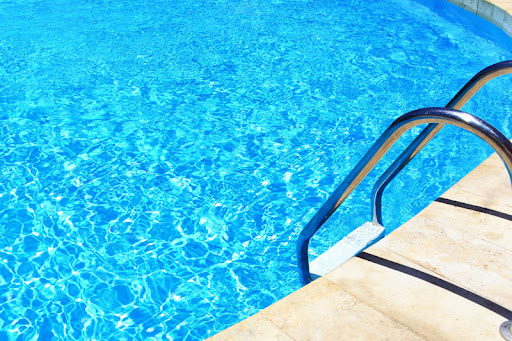
A swimming pool should be designed to accommodate people with different abilities, mobility levels, and recreational needs. While appearance and water quality are important, accessibility and comfort also influence how safely and confidently people can use the facility. Thoughtful planning can make swimming more enjoyable for older adults, children, people with disabilities, and anyone who benefits from additional support when entering or moving around the water.
Exploring suitable Swimming Pool Solutions can help property owners identify features that improve access, simplify daily use, and create a more welcoming environment. From carefully designed entry systems to comfortable water temperatures and safer poolside surfaces, small improvements can make a meaningful difference when they are selected according to users’ needs.
Why Accessibility Matters in Swimming Pool Design
Accessibility allows more people to enjoy swimming, exercise, and water-based recreation with greater independence. Without appropriate design features, steps, slippery surfaces, narrow pathways, or difficult entry points can create unnecessary barriers.
An accessible pool considers the entire journey, from arriving at the facility to changing clothes, reaching the pool edge, entering the water, and using nearby amenities. Focusing only on the pool itself may leave other important obstacles unaddressed.
For residential pools, accessibility improvements can help homeowners accommodate changing family needs over time. Public pools, fitness centers, hotels, and rehabilitation facilities may have additional responsibilities under applicable accessibility regulations.
Planning these features during the design stage is often more practical than modifying the facility after construction.
Choosing the Right Pool Entry System
The method used to enter and exit a swimming pool has a direct effect on user comfort and independence. Different entry systems suit different users, pool layouts, and activity levels.
Steps and Gradual Entry Areas
Built-in steps can provide a familiar way to enter the water, particularly for people who can manage stairs but prefer a gradual transition. Wide steps with suitable dimensions and secure handrails can improve stability.
A beach-style or zero-depth entry gradually slopes into the water, allowing users to enter without immediately stepping down into deeper water. This design may be useful for young children, some older adults, and people who find conventional ladders difficult to use.
However, gradual entry areas still require suitable slip-resistant surfaces, appropriate water depth transitions, and supervision where necessary.
Pool Lifts
Pool lifts can help people with limited mobility transfer between the pool deck and the water. Depending on the design, they may support independent or assisted entry and exit.
When selecting a lift, consider its rated capacity, transfer space, controls, seating, maintenance requirements, and compatibility with the pool structure. The equipment should be installed and maintained according to manufacturer instructions and relevant regulations.
Staff or household members should understand how the lift operates and what assistance may be needed in an emergency.
Ramps and Handrails
Ramps can offer another entry option when designed with suitable gradients, surfaces, and handrails. Their practicality depends on the pool layout, available space, intended users, and applicable accessibility standards.
Handrails can provide additional support at steps, ramps, and other entry points. They should be positioned where they can be used comfortably and securely without obstructing movement.
An accessibility specialist can help determine which entry features are appropriate for the people expected to use the pool.
Improving Safety Around the Pool
A comfortable swimming environment depends on reducing hazards both in and out of the water. Wet surfaces, changes in elevation, poorly positioned equipment, and unclear access routes can all affect safe movement.
Slip-Resistant Decking
Poolside surfaces should provide suitable traction when wet. Material selection should account for water exposure, cleaning products, weather conditions, and the type of footwear or mobility equipment users may rely on.
Regular cleaning is equally important. Algae, soap residue, and standing water can make surfaces slippery even when the original material provides good traction.
Inspect decking for loose tiles, damaged paving, uneven edges, and drainage problems. Repairs should address the underlying cause rather than simply cover visible defects.
Clear Walkways and Accessible Routes
Keep routes between entrances, changing areas, seating, and the pool clear of unnecessary obstacles. Adequate space helps people move more comfortably and may be especially important for wheelchair users, walkers, and caregivers.
Where required, provide accessible changing facilities, suitable toilets, handrails, and resting areas. Good lighting can also help users identify steps, edges, and changes in surface level.
Safety barriers and gates should remain secure, and all users should understand the pool’s operating rules. Accessibility improvements should complement established drowning-prevention measures rather than replace them.
Maintaining Comfortable Water Temperature
Water temperature can influence how enjoyable and practical a swimming session feels. The preferred range depends on the activity, the duration of use, the swimmer’s needs, and any relevant medical or therapeutic considerations.
Recreational swimming, vigorous lap training, and gentle aquatic exercise may require different conditions. A temperature that feels pleasant during light movement may become uncomfortable during intense exercise.
Selecting Suitable Heating Equipment
Pool heaters can help maintain more consistent temperatures, particularly when outdoor conditions change. Heat pumps, gas heaters, and solar heating systems have different installation requirements, operating characteristics, and costs.
The appropriate option depends on the pool’s size, climate, expected hours of use, energy prices, and desired temperature. Proper sizing is important because an unsuitable system may struggle to maintain the target conditions or consume more energy than necessary.
For indoor pools, ventilation and humidity management should be considered alongside heating to help maintain a comfortable surrounding environment.
Reducing Heat Loss
A suitable pool cover can help retain warmth and reduce evaporation when the pool is not in use. This can be particularly useful for heated pools that operate frequently.
Insulation, wind protection, and efficient equipment controls may also contribute to more consistent temperatures, depending on the facility’s design.
Users should follow manufacturer guidance for covers and heating equipment, and should never use a cover as a substitute for appropriate supervision or pool safety barriers.
Supporting Different Swimming and Exercise Needs
Pools can serve a wide range of purposes, including recreation, low-impact exercise, rehabilitation, and structured swimming practice. A flexible layout can help accommodate different activities without making the space unnecessarily complicated.
Pools for Gentle Exercise
Water-based exercise can provide a lower-impact alternative to some land-based activities because buoyancy reduces the effective load on joints. This can make aquatic movement useful for certain older adults and people who prefer supported exercise.
Shallow areas, accessible entry systems, handrails, and comfortable water temperatures can make these activities easier to undertake. People with specific health concerns should consult an appropriate healthcare professional about suitable exercises and precautions.
Pools for Rehabilitation
Some rehabilitation settings use pools to support supervised movement and functional exercises. In these environments, access, water depth, temperature control, and the ability to assist users safely are particularly important.
The design should reflect the needs of the intended rehabilitation programs and the professionals delivering them. Features such as pool lifts, accessible changing facilities, and adequate space for assistance may be essential.
Water-based exercise is not appropriate for every condition, so treatment plans should be guided by qualified healthcare providers.
Pools for Families and Multiple Users
Family pools often need to accommodate different heights, swimming abilities, and activity preferences. Steps, shallow zones, seating ledges, and clearly defined activity areas can improve usability.
However, shallow water should not be assumed to be safe for unsupervised children. Close adult supervision, appropriate barriers, and clear rules remain essential regardless of pool depth or the presence of accessibility features.
Improving Comfort With Thoughtful Poolside Features
Comfort extends beyond the water itself. Seating, shade, storage, lighting, and convenient access to essential amenities can influence how long people enjoy spending time around a pool.
Seating and Rest Areas
Benches and supportive seating give users a place to rest between swimming sessions. Seating with appropriate height and back support may be easier for some people to use than low or unstable furniture.
Provide enough room for people to sit down and stand up without obstructing walkways. In larger facilities, resting areas near accessible routes can help users avoid unnecessary travel.
Shade and Weather Protection
Direct sunlight can make poolside surfaces uncomfortably hot and increase exposure to ultraviolet radiation. Shade structures, umbrellas, and suitable landscaping can provide more comfortable areas for resting.
Materials should be selected to withstand outdoor conditions, and shade structures must be installed securely. The design should also maintain clear visibility around the pool and avoid creating hidden areas that interfere with supervision.
Lighting and Visibility
Good lighting helps people navigate steps, pathways, and pool entrances after sunset. Underwater lighting may improve visibility within the pool, while separate deck and pathway lights can illuminate surrounding areas.
Fixtures must be suitable for their intended locations, and pool-related electrical work should be completed by qualified professionals. Lighting should minimize glare and support safe movement without creating a false sense of security.
Water Quality and Hygiene for User Comfort
Water quality is another important part of a comfortable pool experience. Poorly maintained water may cause irritation, unpleasant odors, or other problems that discourage people from using the facility.
A reliable filtration and sanitation system helps maintain suitable conditions, while regular testing allows operators to identify imbalances before they become more serious.
Homeowners and facility managers should monitor sanitizer levels, pH, and other relevant parameters according to the pool system and applicable public-health guidance. Filters, circulation equipment, and water-treatment components also need routine maintenance.
Clear water alone does not guarantee that a pool is safe. Consistent testing, proper treatment, and accurate recordkeeping are essential parts of responsible operation.
Making Accessibility Improvements Within a Budget
Accessibility upgrades do not always require a complete pool renovation. Some improvements can be introduced through targeted changes, while others may need structural modifications or specialist equipment.
Begin by identifying the main barriers users experience. These might include difficult entry steps, inadequate handrails, poor drainage, limited changing facilities, or insufficient space around the pool.
Prioritize changes according to safety, user needs, applicable regulations, and the expected benefits. Obtain professional assessments and itemized estimates before deciding which improvements to undertake.
Potential upgrades include:
- Adding suitable handrails or improving existing steps.
- Replacing slippery or damaged deck surfaces.
- Improving pathway lighting and drainage.
- Installing an appropriate pool lift where needed.
- Creating clearer routes to changing rooms and rest areas.
- Improving temperature controls or adding a suitable pool cover.
Some changes may require permits, structural assessments, or electrical modifications. Confirm these requirements before work begins, and avoid choosing equipment solely because it has the lowest purchase price.
Maintaining Accessibility Features Over Time
Accessibility features need regular inspections to remain safe and reliable. A lift that no longer operates correctly, a loose handrail, or a damaged ramp surface can create barriers and potential hazards.
Create a maintenance schedule based on manufacturer recommendations and the frequency of pool use. Inspect entry systems, railings, deck surfaces, drainage, lighting, and other frequently used features.
Keep accessible routes free of storage items and temporary obstructions. Where a facility serves many users, provide a clear process for reporting faults and communicating temporary restrictions.
Staff should receive suitable training on accessibility equipment and assistance procedures. Their responsibilities should be clear, especially when users need support entering or exiting the water.
Conclusion
Improving swimming pool accessibility and comfort involves more than installing a single piece of equipment. Entry systems, safe walking surfaces, suitable water temperatures, clear pathways, accessible amenities, and dependable water treatment all contribute to a more inclusive environment.
By considering the needs of different users during design and maintenance, homeowners and facility managers can make swimming pools easier to navigate and more enjoyable to use. Prioritizing practical features, professional installation, and ongoing inspections helps create a welcoming space that supports independence, comfort, and responsible pool use.


