


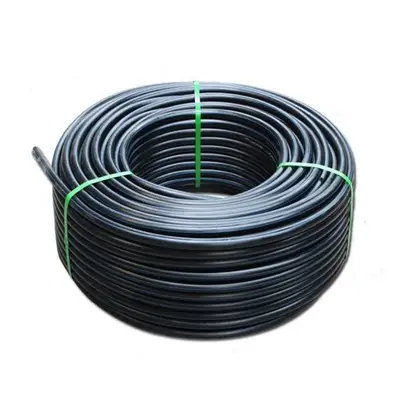
Agricultural irrigation systems are expected to deliver water reliably throughout changing seasons and demanding field conditions. The pipes used in these systems must withstand regular operation, environmental exposure, and variations in water pressure without requiring frequent repairs. Selecting suitable irrigation pipes is therefore an important decision for farmers who want to protect their investment and maintain consistent crop production.
Long-term performance depends on several factors, including material quality, pressure capacity, resistance to environmental damage, and correct installation. Working with a reliable Irrigation Pipe Manufacturer can help farmers compare available products and identify specifications that match their agricultural requirements. Understanding these characteristics makes it easier to select pipes that provide dependable service and manageable maintenance costs.
1. High-Quality Materials and Manufacturing
The material used in an irrigation pipe has a direct influence on its strength, flexibility, and ability to withstand operating conditions. Agricultural systems may use polyethylene (PE), high-density polyethylene (HDPE), PVC, and other materials designed for specific applications.
HDPE pipes are often selected for their flexibility and impact resistance, while PVC pipes can be suitable for rigid water distribution networks. The appropriate option depends on the irrigation method, pressure requirements, and installation environment.
Material type alone does not determine durability. Wall thickness, material grade, dimensional consistency, and manufacturing quality also affect performance.
Before purchasing, farmers should review technical specifications and ask for relevant quality documentation. Consistent manufacturing standards help reduce the risk of premature failures and installation problems.
2. Resistance to Water Pressure
Irrigation pipes must withstand the pressure generated by pumps, elevation differences, and normal system operation. If a pipe is unsuitable for these conditions, it may develop leaks, deform, or fail before its expected service life.
The required pressure rating depends on the system design and the conditions under which the pipe will operate. Pressure fluctuations and surges should also be considered where applicable.
When comparing products, examine the rated operating pressure, pipe diameter, and wall thickness. Selecting pipes with suitable specifications helps maintain reliable water delivery and reduces the likelihood of pressure-related damage.
Correct hydraulic design is equally important. Even durable pipes may perform poorly if their dimensions do not match the required flow rate and pipeline length.
3. Resistance to Weather and Environmental Exposure
Agricultural irrigation pipes often operate outdoors or underground, where environmental conditions can affect their performance over time. Direct sunlight, temperature changes, soil movement, and mechanical stress may contribute to deterioration if the selected products are unsuitable.
For exposed installations, ultraviolet resistance can be an important consideration. Buried pipes should be suitable for the soil conditions and protected against external loads or accidental damage from agricultural machinery.
Temperature also matters because the allowable operating pressure of many plastic pipes changes with operating conditions. Farmers should follow product specifications and installation recommendations for their local environment.
Choosing pipes according to the actual field conditions helps reduce avoidable damage and supports longer service life.
4. Corrosion and Chemical Resistance
Unlike conventional metal pipes that can rust, plastic irrigation pipes such as HDPE and PVC offer good corrosion resistance in many agricultural applications. This characteristic makes them useful for transporting irrigation water over extended periods.
However, chemical compatibility varies according to the material, chemical concentration, temperature, and exposure duration. Farms that use fertilizer injection or specialized water treatment should verify compatibility before selecting a pipe.
Water quality should also be considered. Sediment, mineral deposits, and suspended particles can affect system performance even when the pipe material itself remains in good condition.
Suitable filtration, routine flushing where necessary, and regular inspection can help maintain the efficiency of the complete irrigation network.
5. Proper Pipe Diameter and Flow Capacity
A long-lasting irrigation system requires pipes that can carry the required amount of water without excessive pressure losses. Choosing the wrong diameter can lead to uneven water distribution, inefficient pumping, or unnecessary material expenses.
The correct pipe size depends on factors such as the total water demand, pipeline length, operating pressure, number of outlets, and elevation changes across the field.
For example, a large agricultural property may require different pipe dimensions for its main supply line and individual distribution branches. Each section should be sized according to its function within the system.
Farmers managing extensive irrigation networks may benefit from professional hydraulic calculations. Proper sizing supports efficient operation and helps prevent unnecessary strain on the piping system.
6. Reliable Joints and Compatible Fittings
A pipe’s durability depends not only on its material but also on the quality of its connections. Weak joints, incompatible fittings, or incorrect installation methods can cause leaks and reduce the reliability of an irrigation network.
PVC pipes may use solvent-cement joints or mechanical connections, depending on their design. HDPE pipes can use suitable mechanical fittings or fusion joints installed with the correct equipment and procedures.
Before purchasing, confirm that all pipes, valves, connectors, and fittings are compatible with the selected system. Installation should follow the manufacturer’s instructions and account for the required operating pressure.
Regularly inspecting joints and connections helps identify small leaks before they lead to larger problems.
7. Suitability for the Irrigation Method
Different agricultural irrigation methods place different demands on piping systems. A pipe that performs well in one application may not be appropriate for another.
Drip Irrigation
Drip irrigation delivers water close to plant roots through tubing and emitters. It is commonly used for vegetables, orchards, vineyards, and greenhouse crops.
Pipes and tubes must be compatible with the system’s pressure requirements, filtration equipment, and connectors. Preventing blockages and maintaining consistent flow are also important for long-term performance.
Sprinkler Irrigation
Sprinkler systems require pipes capable of supplying the required water flow at suitable pressure. Pipe dimensions, pipeline length, and pump capacity all influence system performance.
Both PVC and HDPE may be appropriate, depending on the system design and installation conditions. Selecting products according to the required pressure and flow characteristics helps support reliable operation.
Surface Irrigation
Surface irrigation systems transport water to designated field channels or distribution points. Their pipe requirements depend on the layout, required flow, and method of water delivery.
Farmers should evaluate the system’s practical needs before choosing materials and dimensions. Appropriate pipe selection can help reduce leakage and simplify maintenance.
8. Resistance to Mechanical Damage
Agricultural environments often involve tractors, plows, harvesting equipment, and other machinery that may come into contact with irrigation infrastructure. Pipes installed in exposed or vulnerable locations can be damaged by accidental impact.
HDPE pipes offer flexibility and impact resistance under suitable conditions, while rigid PVC pipes may require careful positioning and protection in areas where impacts are possible.
For buried systems, appropriate installation depth and bedding practices help protect pipes against external loads. Above-ground lines should be positioned to minimize interference with routine farming activities.
The level of protection required depends on the location, soil conditions, pipe specifications, and expected mechanical stresses.
9. Low Maintenance Requirements
Pipes suitable for long-term agricultural use should be practical to inspect, maintain, and repair. Although no irrigation system is entirely maintenance-free, suitable materials and correct installation can reduce the frequency of avoidable problems.
Routine maintenance should include checking for leaks, inspecting visible pipe sections, monitoring pressure, and examining joints for damage. Filters should also be cleaned according to water quality and system requirements.
Drip irrigation networks may require periodic flushing to remove sediment or mineral deposits. Promptly repairing damaged components helps prevent water loss and reduces the risk of interruptions during important crop growth stages.
A consistent maintenance schedule can extend the useful life of the complete irrigation system.
10. Manufacturing Standards and Product Documentation
Reliable irrigation pipes should meet the specifications required for their intended applications. Clear product documentation helps buyers assess whether a pipe is suitable for the planned operating conditions.
When comparing suppliers, review the following information:
- Material grade and applicable product standards
- Pipe diameter and wall thickness
- Pressure rating and intended application
- Relevant quality test reports or certifications
- Warranty conditions and product traceability, where available
Manufacturing quality control helps maintain consistency between products and production batches. For large agricultural projects, this consistency is particularly important because the entire system must work together reliably.
Buyers should verify important performance claims through supporting documentation rather than relying only on general product descriptions.
11. Balancing Initial Price and Expected Service Life
The lowest-priced irrigation pipe may not always offer the best long-term value. A product that requires frequent repairs or early replacement can increase overall operating expenses.
When comparing alternatives, consider the purchase price alongside transportation, installation, maintenance, and expected replacement costs. The availability of compatible fittings and replacement parts can also influence long-term expenses.
It is important to compare products with similar dimensions and pressure ratings. A cheaper pipe with different specifications may not provide an equivalent level of performance.
Choosing suitable products for the intended application helps farmers balance their budget with reliability and service-life expectations.
Conclusion
An irrigation pipe suitable for long-term agricultural use must combine appropriate material quality, pressure capacity, environmental resistance, and reliable connections. Correct sizing and compatibility with the irrigation method are equally important for maintaining consistent water distribution and reducing unnecessary maintenance.
Farmers should evaluate product specifications, installation conditions, manufacturing quality, and total ownership costs before making a purchasing decision. With proper selection, professional installation where needed, and routine maintenance, irrigation pipes can provide dependable service and support efficient agricultural water management over many growing seasons.


