


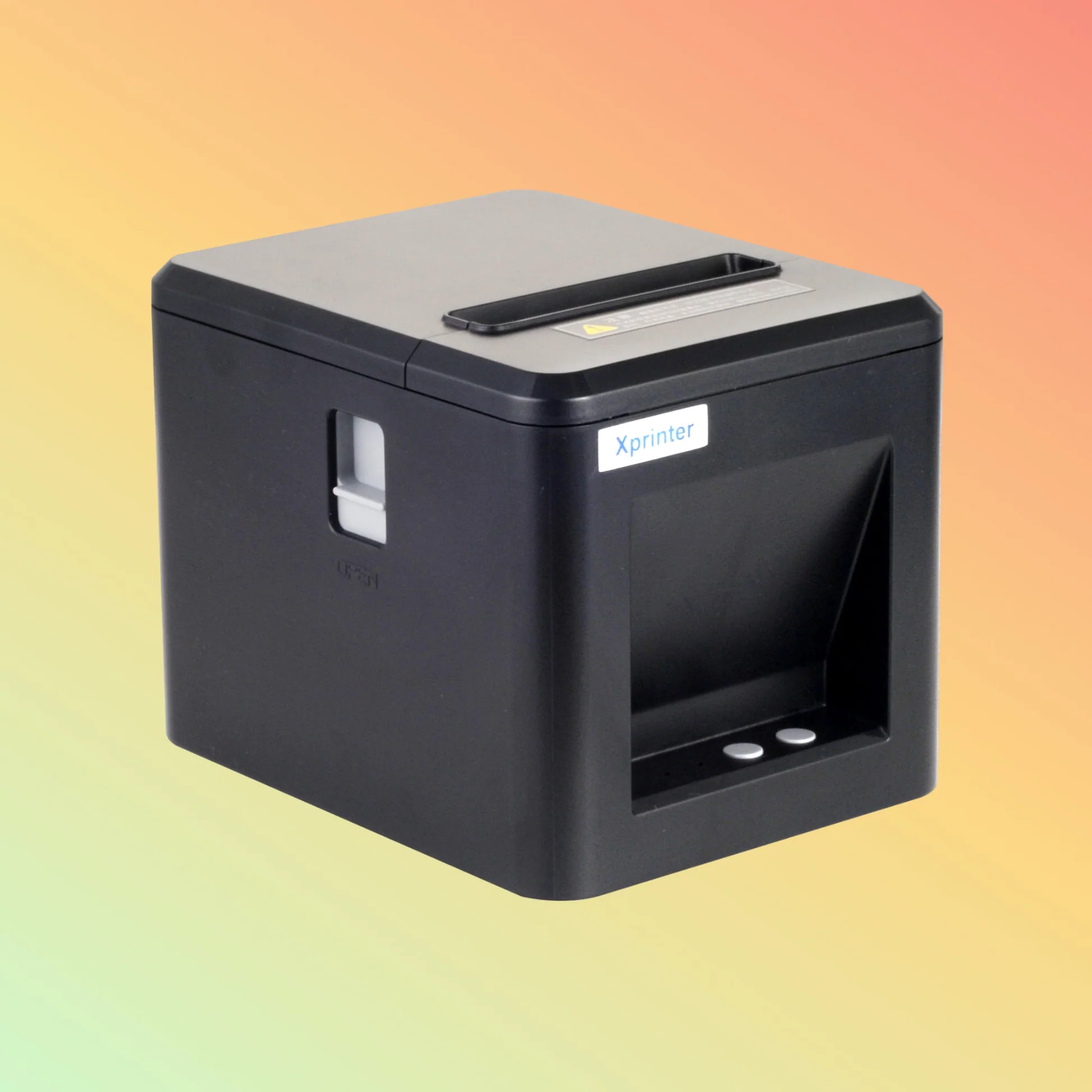
Thermal receipt paper plays an important role in retail, hospitality, and other point-of-sale environments. Even a reliable printer can experience feeding or print-quality issues when the paper roll is unsuitable or poorly stored.
For businesses using an 80mm Receipt Printer, understanding paper specifications can make everyday printing more dependable. Width is only one factor to consider; roll diameter, core size, coating, thickness, print durability, and storage conditions can also affect the overall printing experience.
Understanding 80mm Receipt Paper
The 80mm measurement generally refers to the width of the thermal paper roll. This size is widely used for receipts because it provides enough space for transaction details while remaining practical for compact POS counters.
However, not every roll labeled as 80mm will necessarily fit every printer. The printer’s maximum roll diameter and other physical specifications should always be checked before purchasing.
Important Paper Dimensions
Several measurements determine whether a thermal roll is compatible with a printer. These include:
- Paper width
- Roll diameter
- Core diameter
- Paper thickness
- Paper length
The width should match the printer’s supported paper size, while the roll diameter needs to remain within the printer’s maximum capacity. Checking all dimensions can prevent problems during installation.
Standard Thermal Receipt Paper
Standard thermal paper is commonly used for everyday receipts. It is designed to provide readable text and basic graphics without requiring ink or toner.
This type of paper is suitable for many retail stores, cafés, restaurants, and service businesses where receipts are primarily used as short-term transaction records.
Premium Thermal Paper
Premium thermal paper is generally manufactured with a more consistent coating and may provide sharper, darker printing. It can be useful for businesses that want a more polished appearance for customer receipts.
When choosing premium paper, businesses should still verify that its specifications are compatible with their printer.
Long-Lasting Thermal Paper
Some receipts need to remain readable for extended periods. Long-life thermal paper is designed for applications where greater print durability is desirable.
This can be useful for records that customers may need to retain. Even with durable paper, however, proper storage away from excessive heat, light, and moisture remains important.
Paper Thickness
Paper thickness can influence both the feel of a receipt and how it moves through the printer. Different printers are designed to handle specific paper thickness ranges.
Using paper that is too thick or too thin may affect feeding performance. Always follow the printer manufacturer’s recommended specifications when selecting a roll.
Thermal Coating
The thermal coating is the part of the paper that reacts to heat from the print head. Its quality can have a direct effect on the appearance of printed receipts.
A consistent coating can produce clearer text and graphics, while poor-quality paper may result in uneven printing, faded sections, or excessive residue.
Roll Diameter and Capacity
A larger roll can contain more paper and may reduce the frequency of replacements. This can be particularly useful in busy stores and restaurants that print receipts throughout the day.
However, the roll must fit comfortably inside the printer. A roll that exceeds the recommended diameter can prevent the cover from closing or interfere with proper feeding.
Core Size
The core is the hollow center of the paper roll. Its diameter may affect how the roll is positioned inside the printer.
Although some printers can accommodate different core sizes, businesses should verify the recommended dimensions before purchasing paper in large quantities.
Choosing Paper for High-Volume Printing
High-volume businesses should pay particular attention to paper consistency. Frequent printing means that small paper-quality issues can become noticeable over time.
Restaurants, supermarkets, convenience stores, and busy cafés may benefit from paper that feeds smoothly, produces consistent prints, and generates minimal dust.
Consider Receipt Durability
The right paper depends partly on how long receipts need to remain readable. If a receipt is only needed for immediate customer reference, standard thermal paper may be sufficient.
For records that need to be retained for longer periods, businesses may want to consider paper specifically designed for improved image stability.
Environmental Conditions
Heat, humidity, and sunlight can affect thermal paper. Exposure to unsuitable conditions may cause printed information to fade or paper coatings to deteriorate.
Store paper rolls in a cool, dry area and avoid keeping them near windows, heaters, cooking equipment, or other sources of heat.
Buying Thermal Paper in Bulk
Bulk purchasing can be practical for businesses with predictable paper consumption. It can reduce the frequency of orders and help ensure that replacement rolls are always available.
Before buying a large quantity, make sure there is enough suitable storage space. Paper should be protected from environmental conditions that could reduce its quality.
Evaluating Paper Quality
Price should not be the only consideration when comparing thermal paper. Two rolls with similar dimensions may differ significantly in coating quality and print performance.
Look for clearly stated specifications and, when possible, test a small quantity before committing to a large order. This can help identify compatibility or quality issues early.
Check Printer Recommendations
The safest approach is to compare the paper specifications with the printer manufacturer’s requirements. Important details may include maximum roll diameter, supported width, thickness range, and paper type.
Following these recommendations can help minimize paper jams, inconsistent feeding, and unnecessary wear on printer components.
Keep Paper Clean and Protected
Thermal paper should be handled carefully before it reaches the printer. Dust, moisture, and contamination can affect both the paper and the printer’s internal components.
Keep unused rolls sealed or covered until they are needed. When loading a roll, make sure the paper is clean and positioned correctly.
Conclusion
Selecting the right 80mm receipt paper requires attention to more than just its width. Roll diameter, core size, thickness, coating quality, durability, and storage conditions all play a role in reliable printing.
Businesses should compare these factors with their printer’s specifications and expected workload. Choosing compatible, good-quality paper can help maintain clear receipts, smooth paper feeding, and consistent point-of-sale performance.